Author: Mark
Have a Comic Weekend
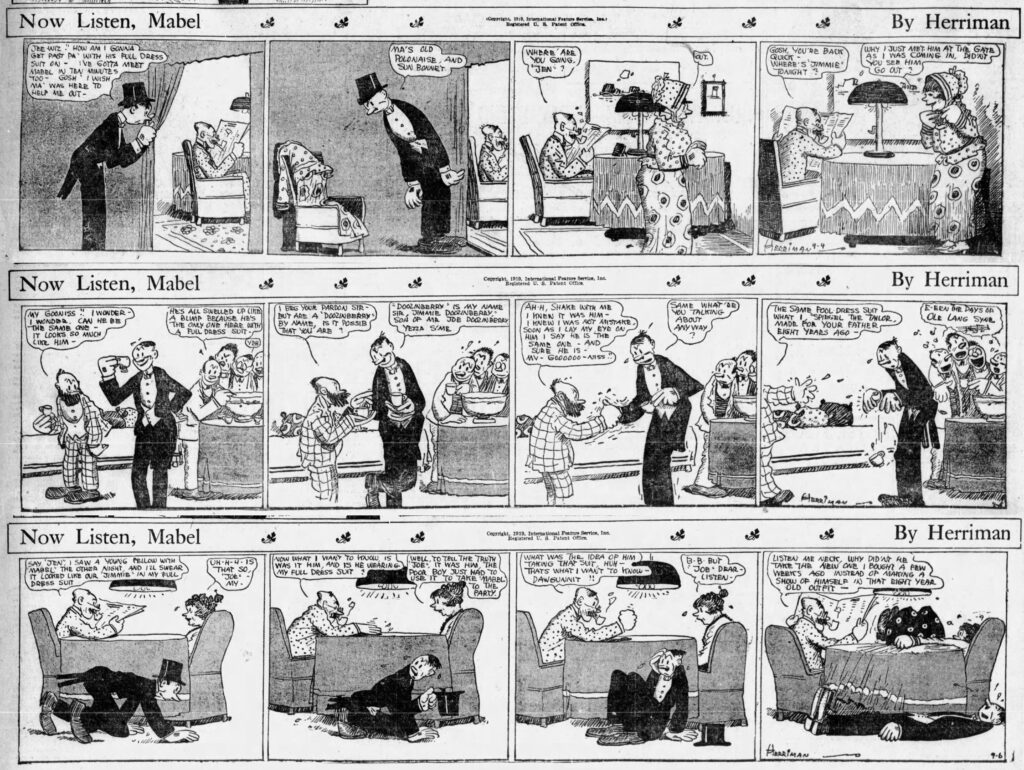
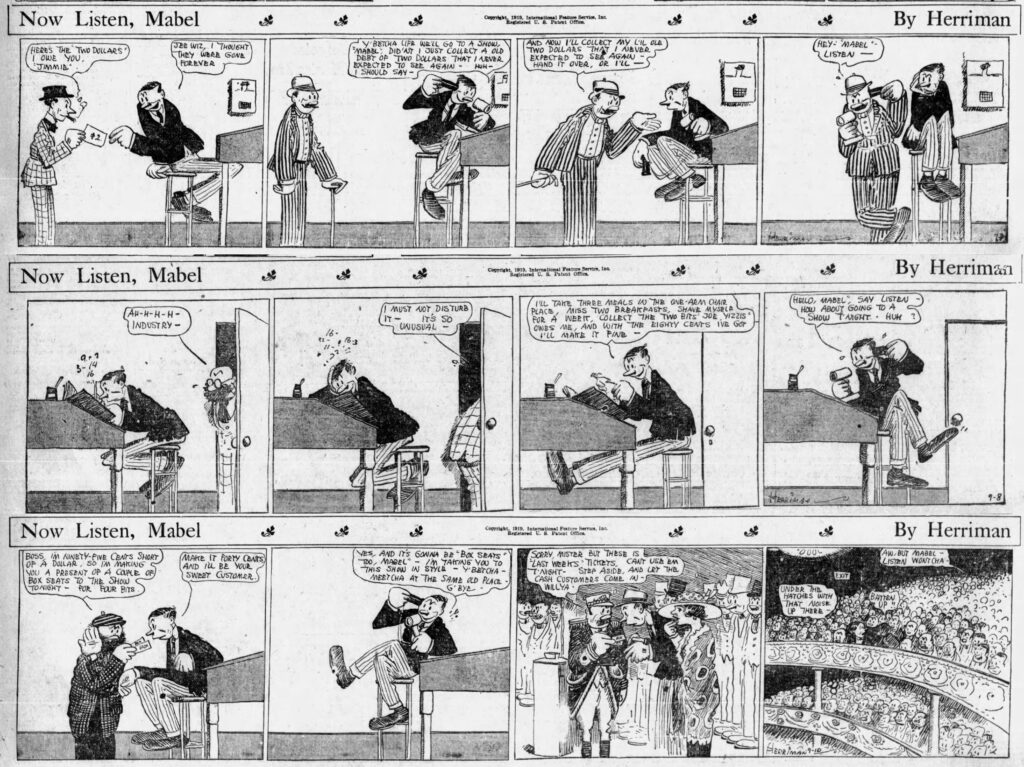
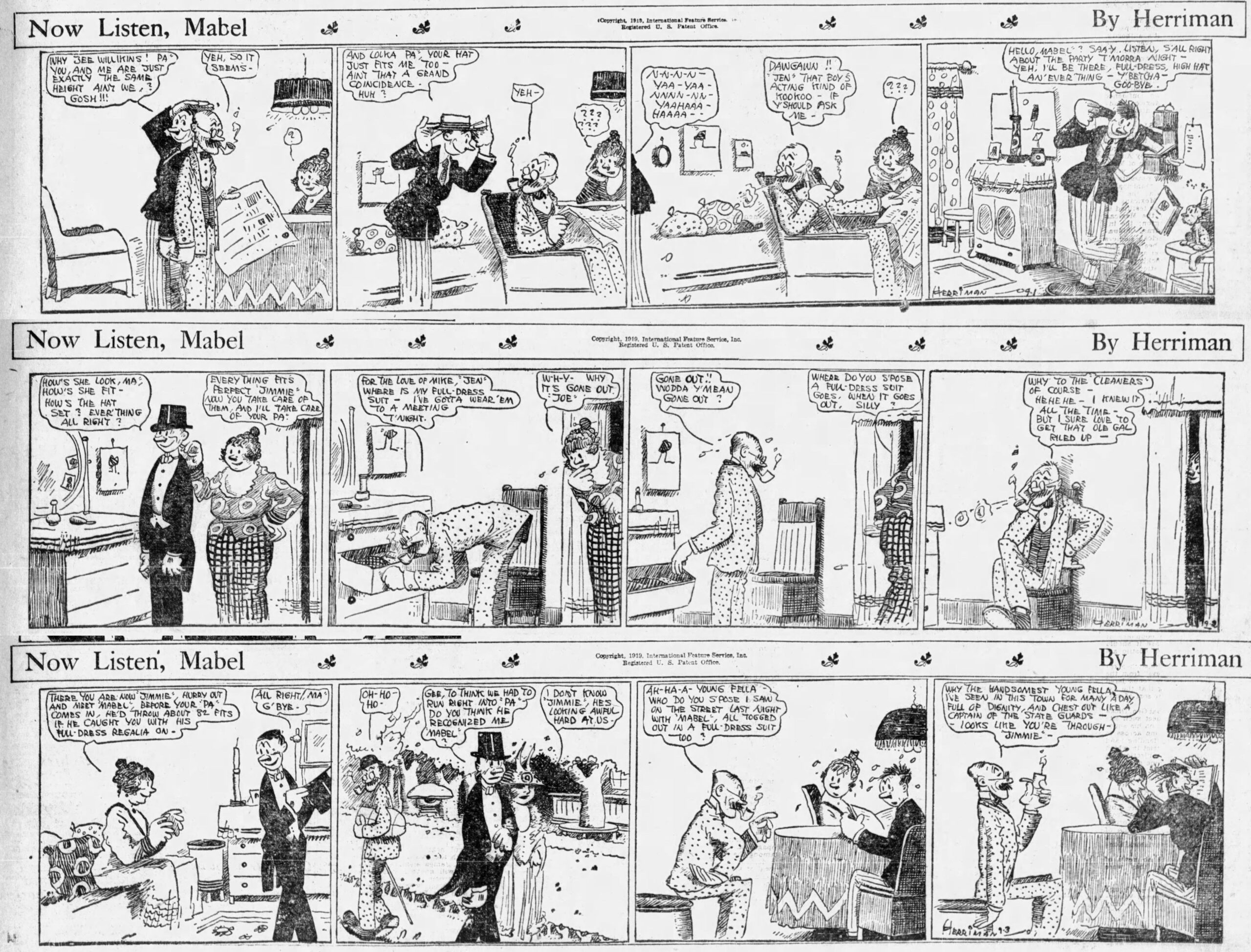
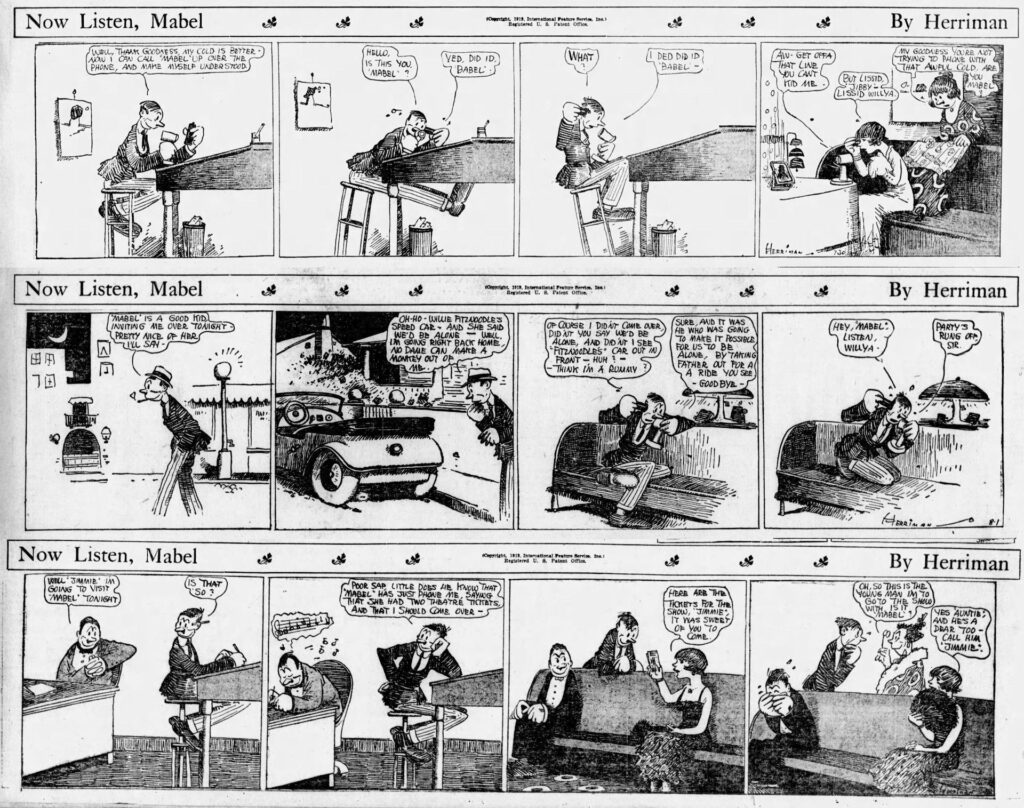
Hi Readers, Must be some kind o’ record for the Catblog, three posts in a week! Hope you like them. Here’s the next batch of Herriman’s “Now Listen, Mabel” from 9-4-1919 to 9-10-1919. Look at that last panel in the 9-10, a real balcony crowd scene masterpiece! Have a great Comic Weekend!
Have a Cat!
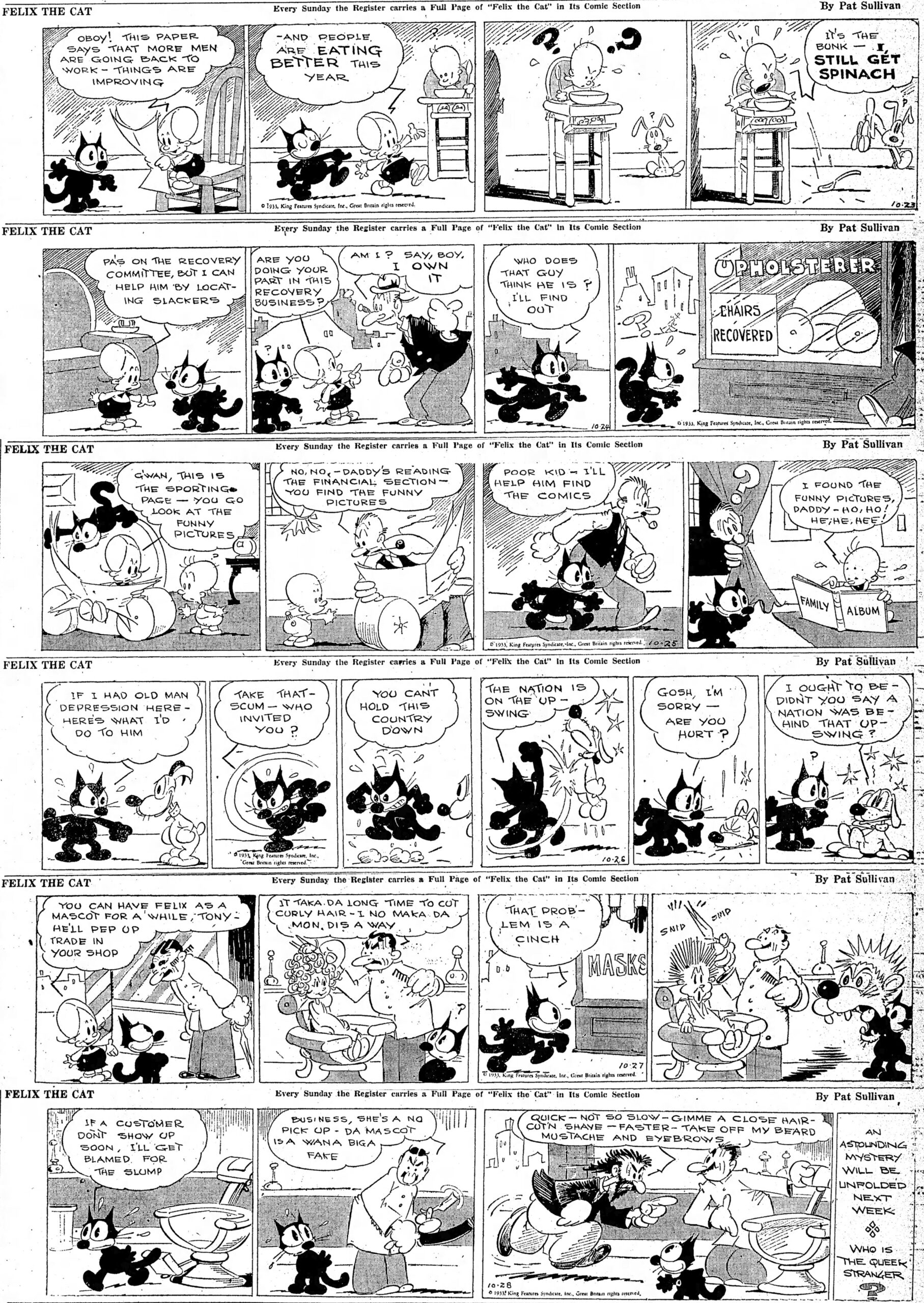
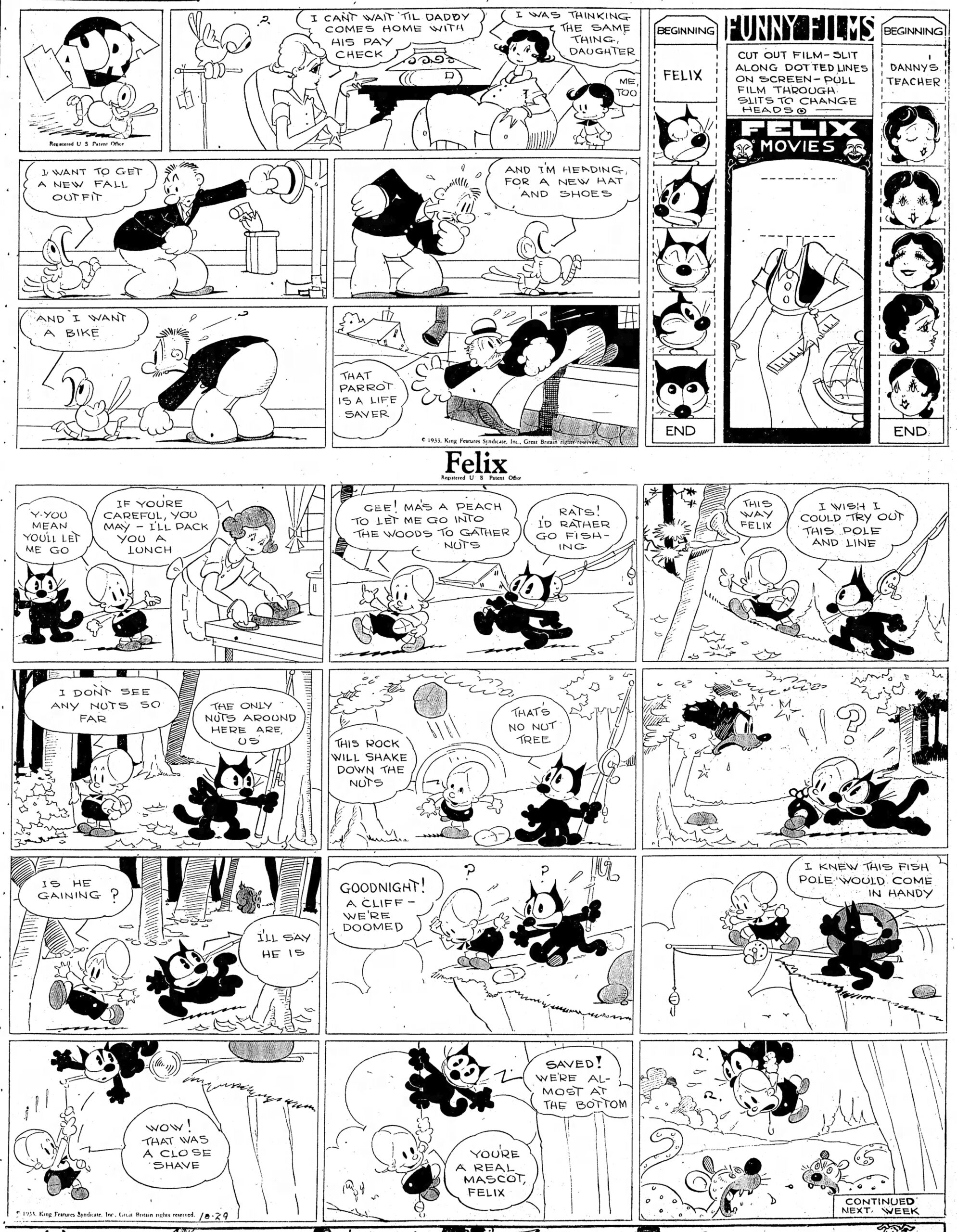
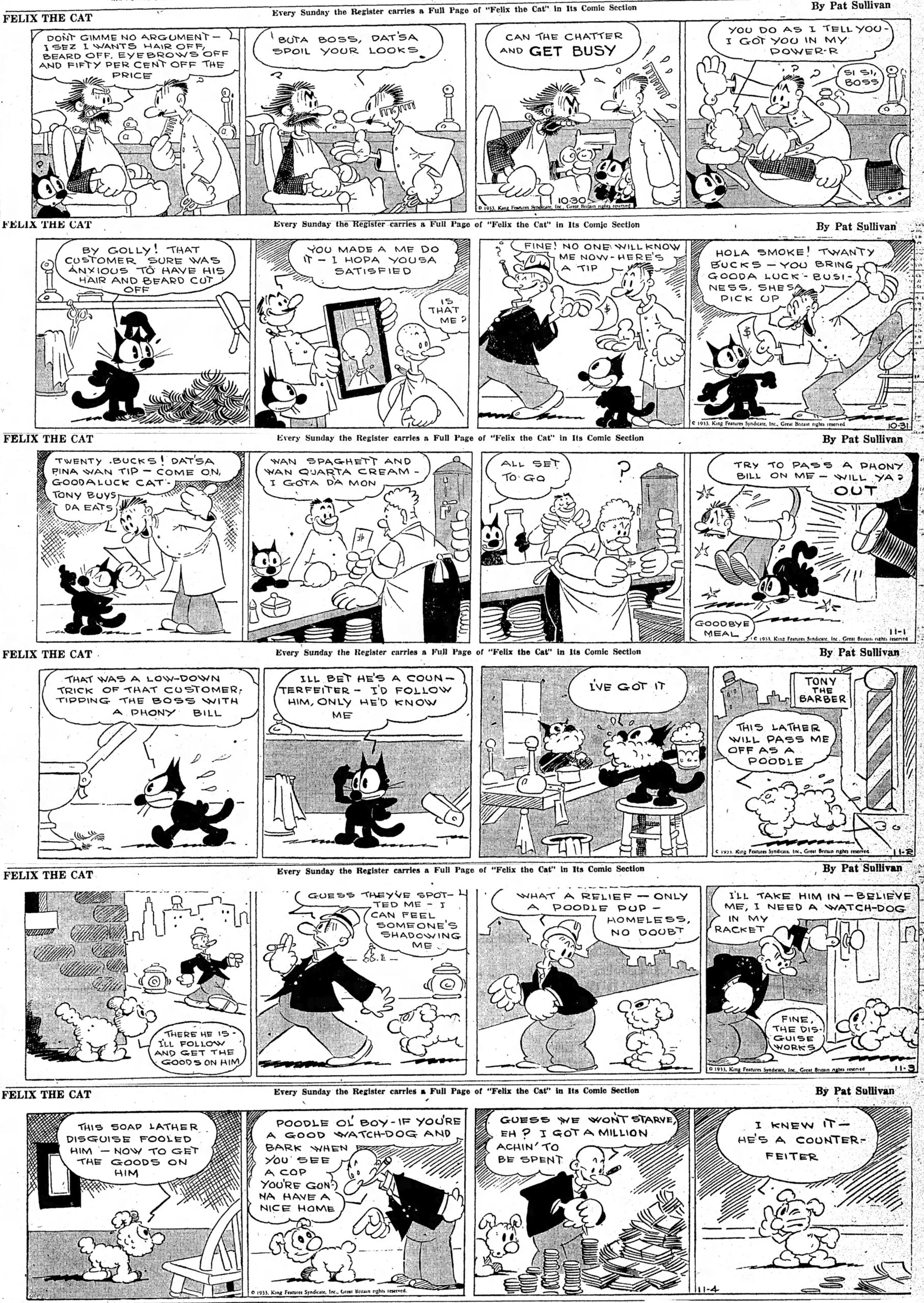
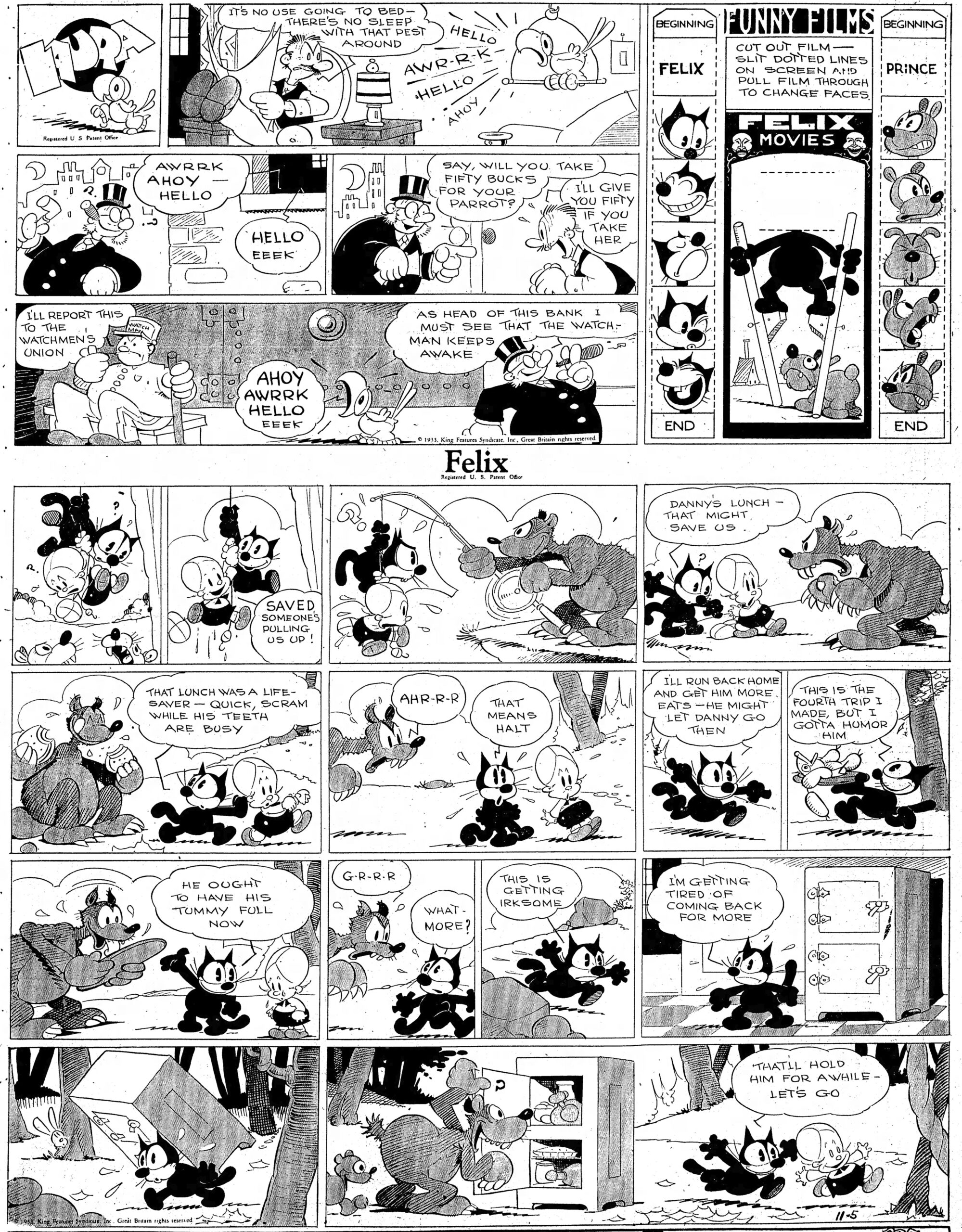 Here’s FELIX, another glorious two weeks of vintage 1933 feline frolics! These are from 10-23 to 11-5-33. I had a complaint from reader Peter Vollmann about the strips in my blog looking fuzzy, so these look vastly improved to me, hope they look that way to you, dear readers. Felix and Danny fight the depression in the 10-23 to 10-28 batch. I especially like the 10-26 strip, which has some terrific Otto Messmer fighting poses as Felix punches out a dog who unfortunately gets in the way of his feline fisticuffs. In the 10-28, an unshaven character enters the barber shop where Tony, the proprietor, has adopted Felix as mascot. In the 10-30 to 11-4 dailies, the story continues as the unshaven man takes a shave and pays for it with a counterfeit twenty dollar bill. Felix disguises himself as a poodle with some shaving soap and pursues the counterfeiter. You can imagine that “making your own money” was an idea on the rise in an era when legitimate currency was scarce.
The Sunday pages are also a continued story as Felix and Danny go fishing and are rescued from wild leopards by a bear. The bear is such a glutton that Felix resorts to assuage the bear’s hunger with an entire icebox full of food from Danny’s Mother’s kitchen.
Hope you can read these better and enjoy them more! Remember to click on the images to enlarge them. If you click again after they enlarge, they will get larger still. I hope to post more often, see ya!
A New Post at Last!
Hi Readers,
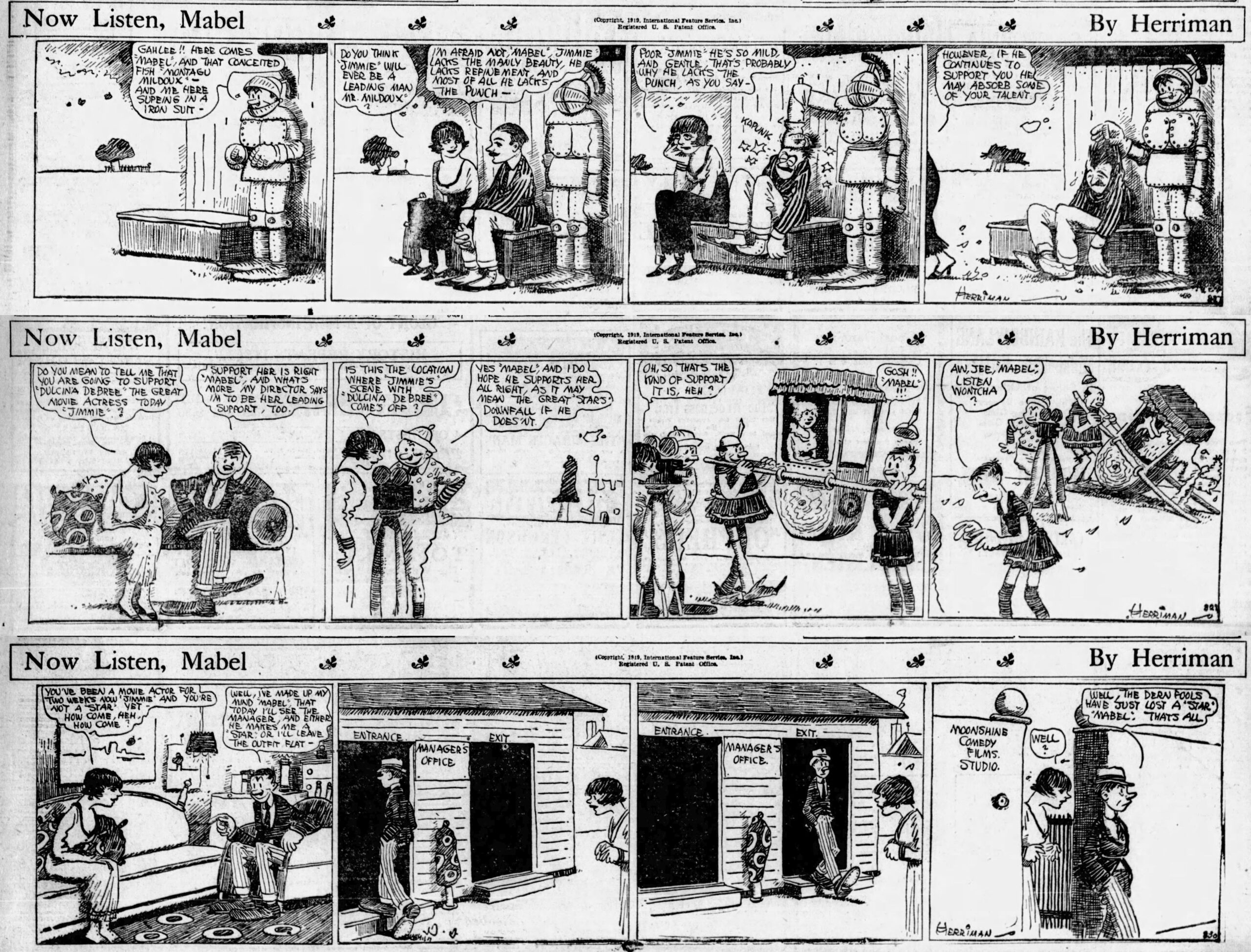
We’ve been off the “air” for awhile, just for how long I don’t know. I have been neglecting the Catblog, and I’m sorry for that. The site was hacked near the Holidays. The Go Daddy Web Host people came to my rescue and restored the Catblog, including the Archives! They did a great job, but it was costly. Maybe I will put up a “Go Fund Me” page for the Catblog. You may remember a particularly creative hack the Catblog went through a few years ago when I had 5000 unwanted users from Russia! They took advantage of a security leak and I had to eliminate all of them ONE AT A TIME! Word Press is pretty good to write on, but their rules are complicated. You have to have the “latest version” of Word Press installed, or there are breeches possible. Word Press seems to put up a new version about every two weeks! Having a blog is like maintaining a little fort in the digital wilderness, constantly vulnerable to attack by the aboriginals. And sometimes they are more “original” than “aba”s. Here’s hoping you are all well that read this blog, and bless you for doing that. A good friend of this blog, Charles Brubaker, the eminent cartoonist, wrote to me and told me the blog was down, thanks Charles! A Better New Year to y’all and now here’s another batch of “Now Listen, Mabel” by George Herriman: 8-27 to 9-3-1919. Jimmie is fired from the Moonshine Comedy Films Studio for trying to satisfy Mabel’s ambition for him to be a star. In the 9-1 through 9-3 strips, Jimmie fools his own father by wearing a tuxedo as he escorts Mabel to a fancy dress party. Remember that these strips are “clickable”, so just click on them to enlarge.
So Long Sam

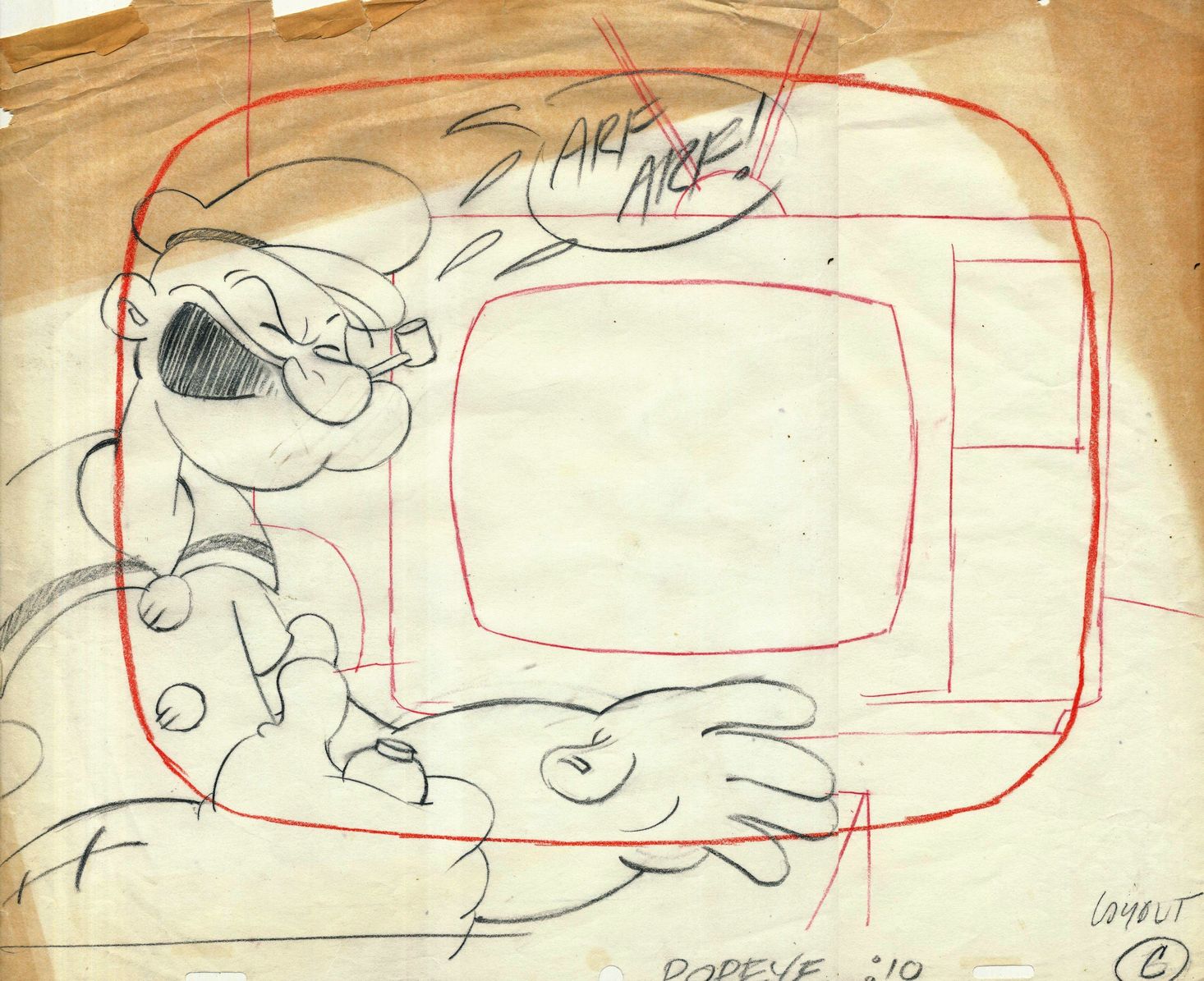
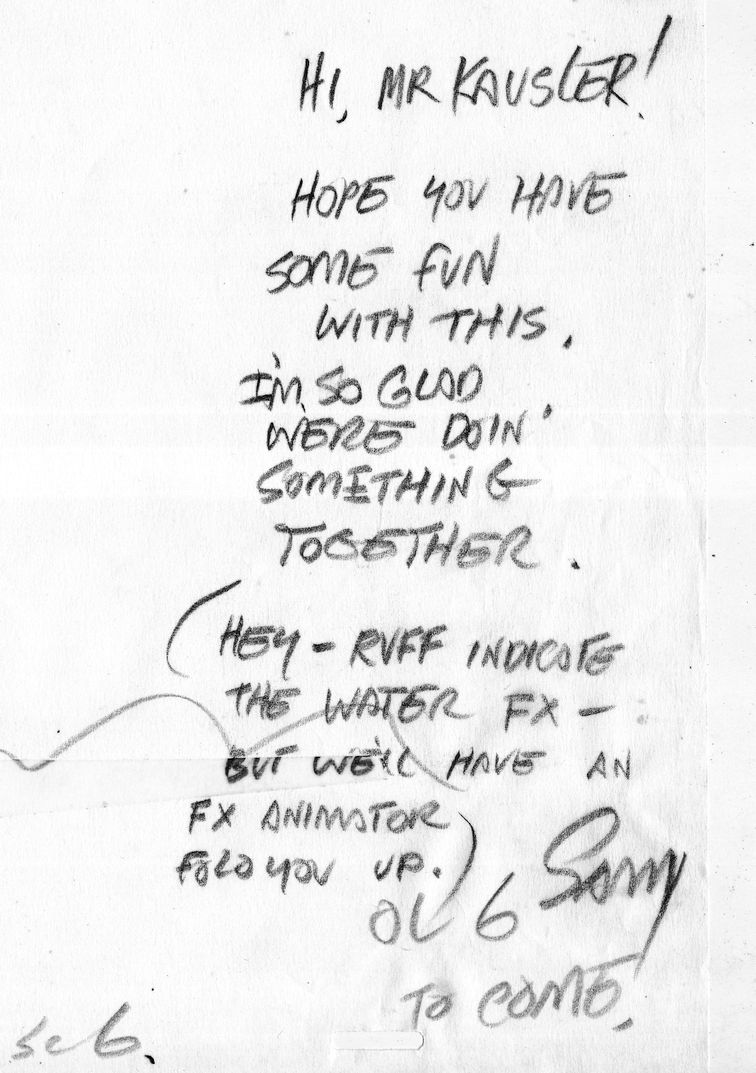
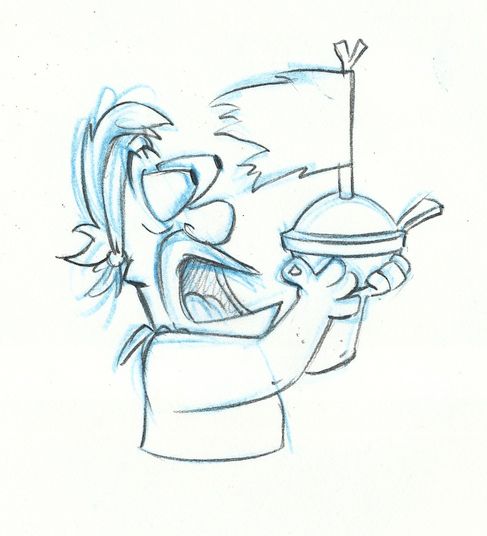
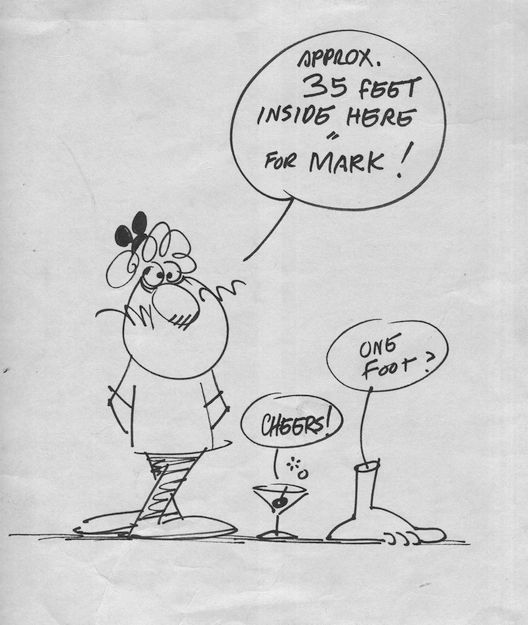

Here is my friend Sam Cornell’s obituary from the Pegboard, the Animation Guild’s newsletter:
Sam Cornell d. 5/01/2021 – Industry veteran Sam Cornell is
known for his varied work on Twilight Zone: The Movie, The
Rugrats Movie, The Wuzzles, and Shinbone Alley. His many roles
included Storyboard Artist, Layout Artist, and Title Designer. He
also directed numerous commercials with classic characters such
as Tony the Tiger and the Keebler Elves.
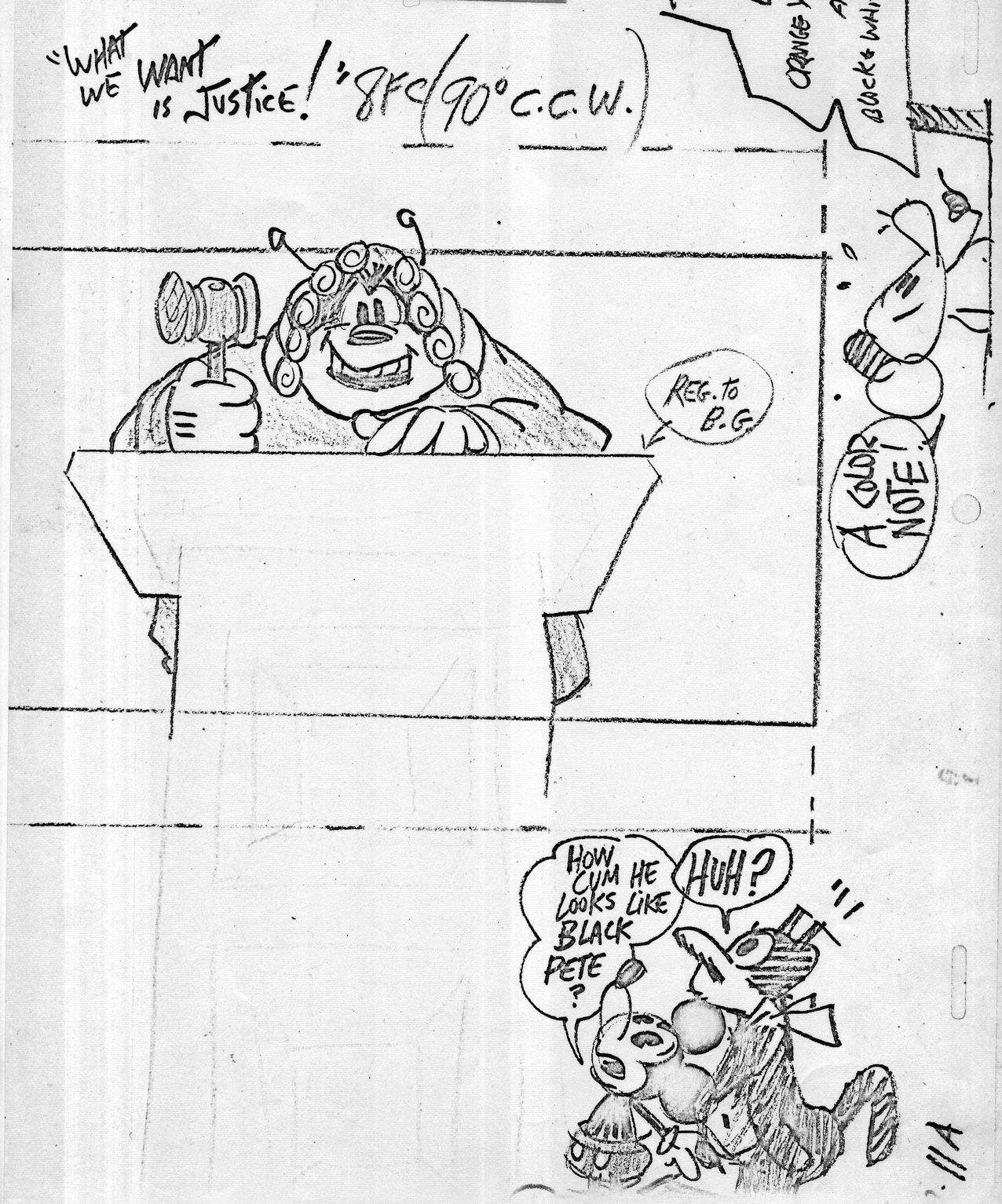
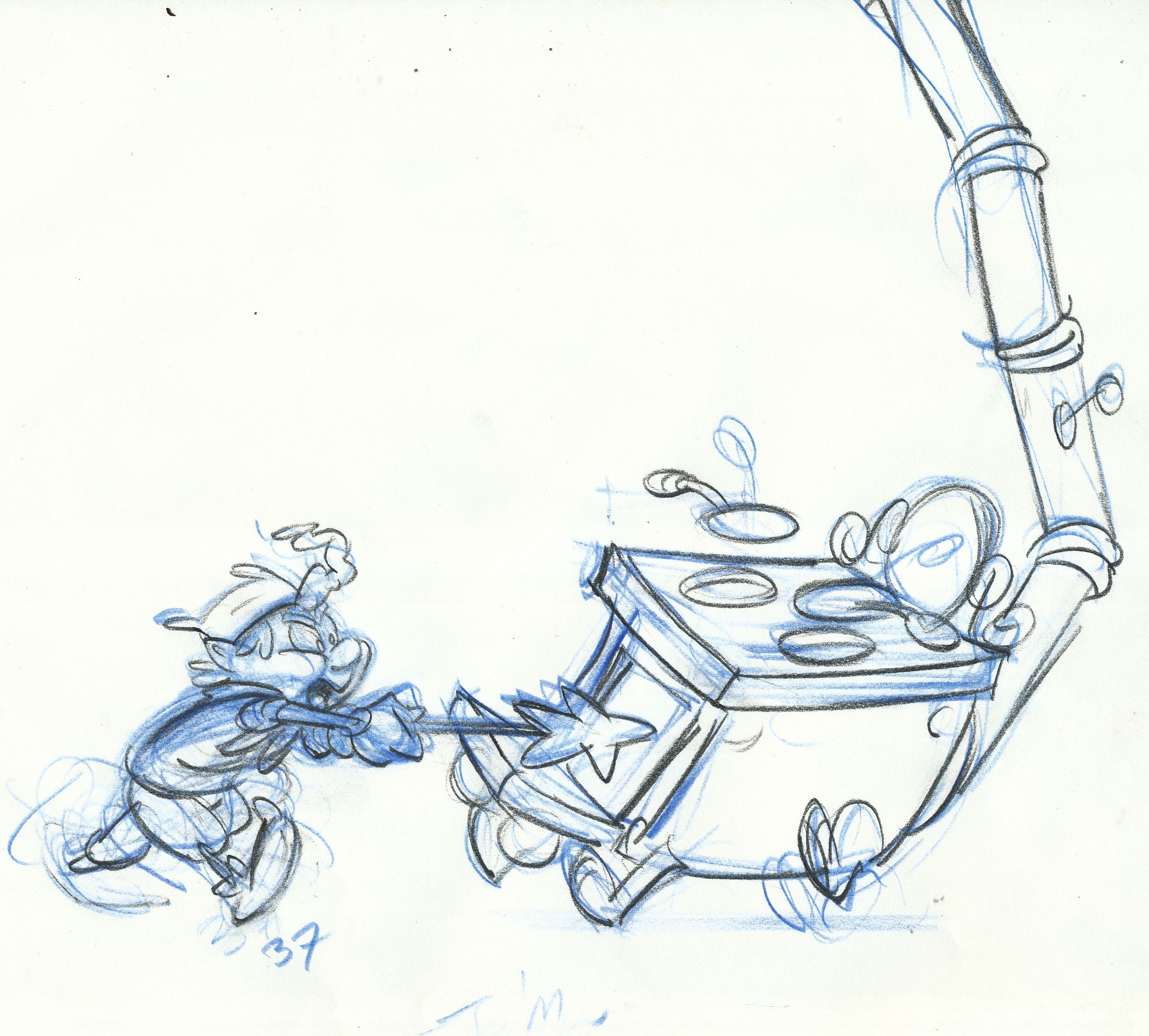
I guess that’s a little start on a career summary, but it misses the real Sam. I think Sam would like to be remembered as an excellent cartoonist, a really fun and cordial kind of guy and a husband and father, which I assume that he was. Sam was a dark haired slightly beefy guy with a big dark mustache. He had dark eyes that sometimes sparkled merrily. Sadly it’s been so many years since I’ve seen any of his family that I can hardly remember them. I remember that one of Sam’s children was in the “Indian Guides”, sort of an alt-world Boy Scouts, and that Sam was a senior Guide. We love George Herriman around the old Catblog, and Sam was the first animated cartoonist I met in So. Cal. who also loved Garge and of course early Disney design. If you look to the top of the post, you will see one of Sam’s layouts from the “Archy Declares War” sequence in the feature cartoon, “Shinbone Alley”, directed by John Wilson. Sam loved to talk old cartoons and cartoon history and gave me a lot of ideas for study. He was one of the first adults I met who made it OK to really enjoy old cartoons and really appreciate what made the drawings good and appealing. Look at the control he had with Pentel felt pens, he could get a good approximation of steel point inking and could draw Krazy and Ignatz in his own way, while paying tribute to Herriman at the same time. Frank Andrina was the animator on the “Archy Declares War” sequence, and I wound up doing inbetweens for him. Frank knew how MUCH I wanted to animate a professional scene, and he gave me one of my first chances to do so. Just below Sam’s layout you will see a cel set-up from that first scene, a marching army of bugs led by General Roach himself. Sam designed these characters as well. Frank animated all the scenes in this part of “Shinbone Alley” in felt tip pen, and all us inbetweeners had to follow him up with pen drawings as well. These were then Xeroxed on to cels. In the old days, good inkers would have been relied on to get the Herriman “line”, but by 1969, animators and assistants were responsible for the final line quality that reached the screen.
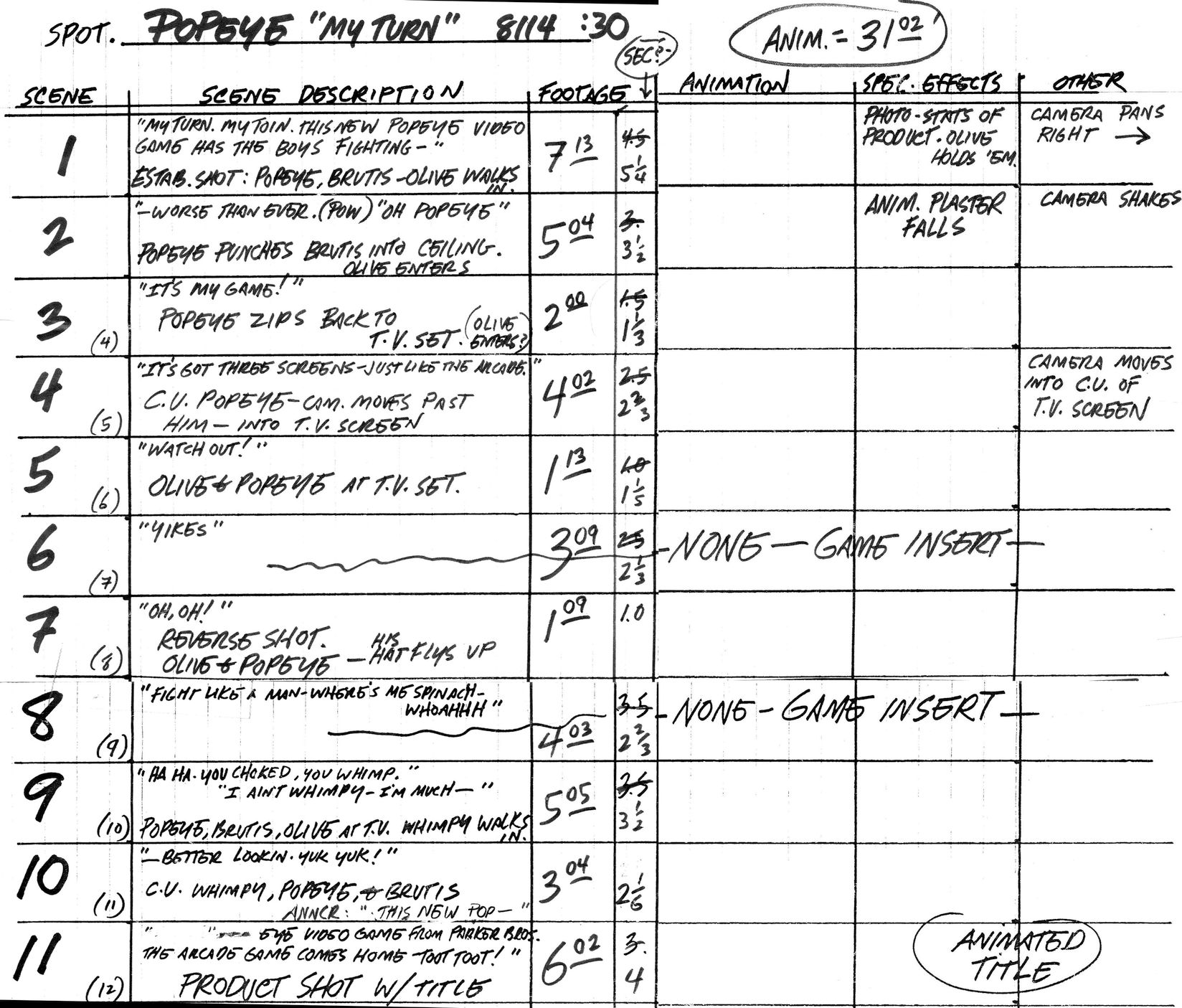
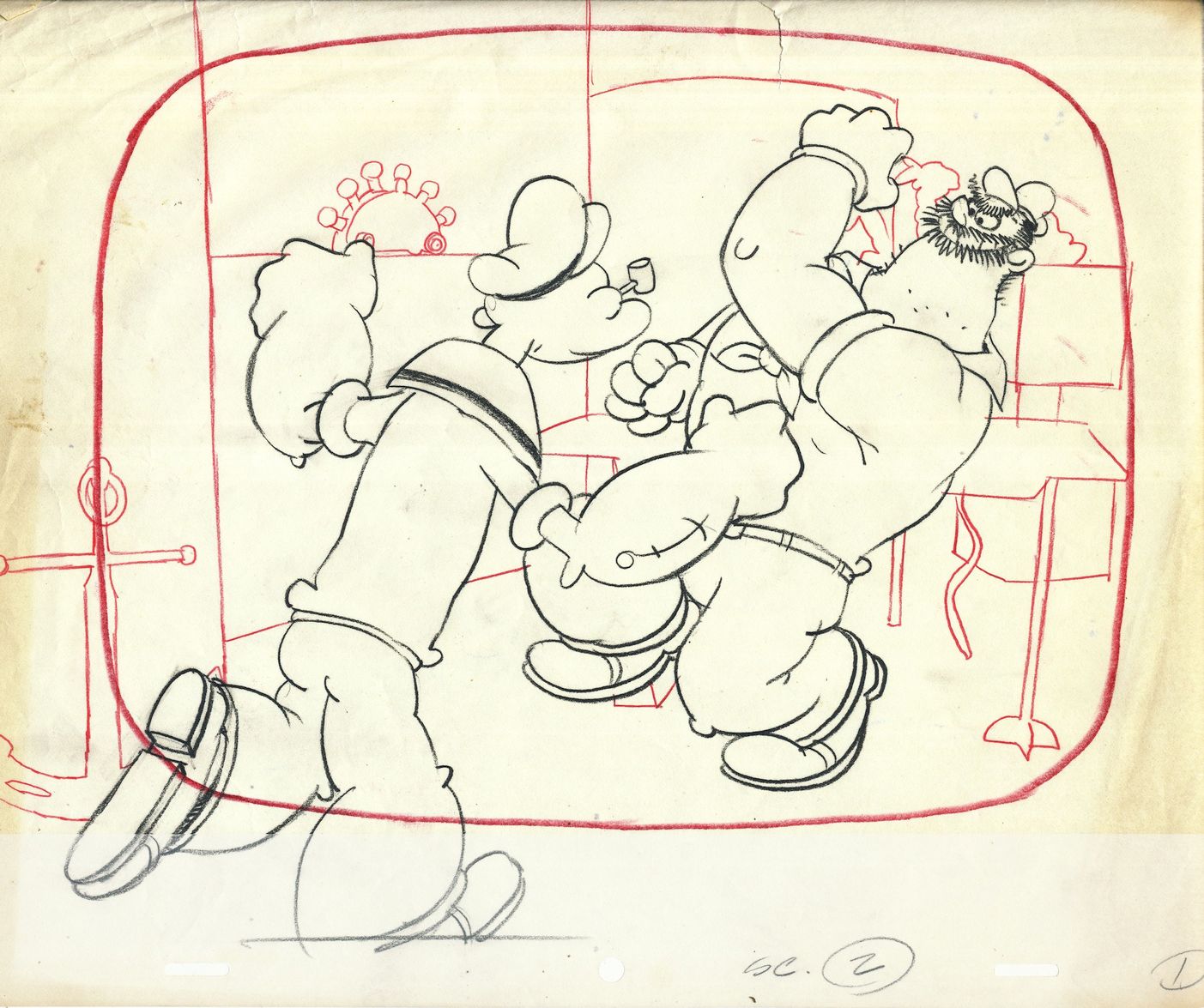
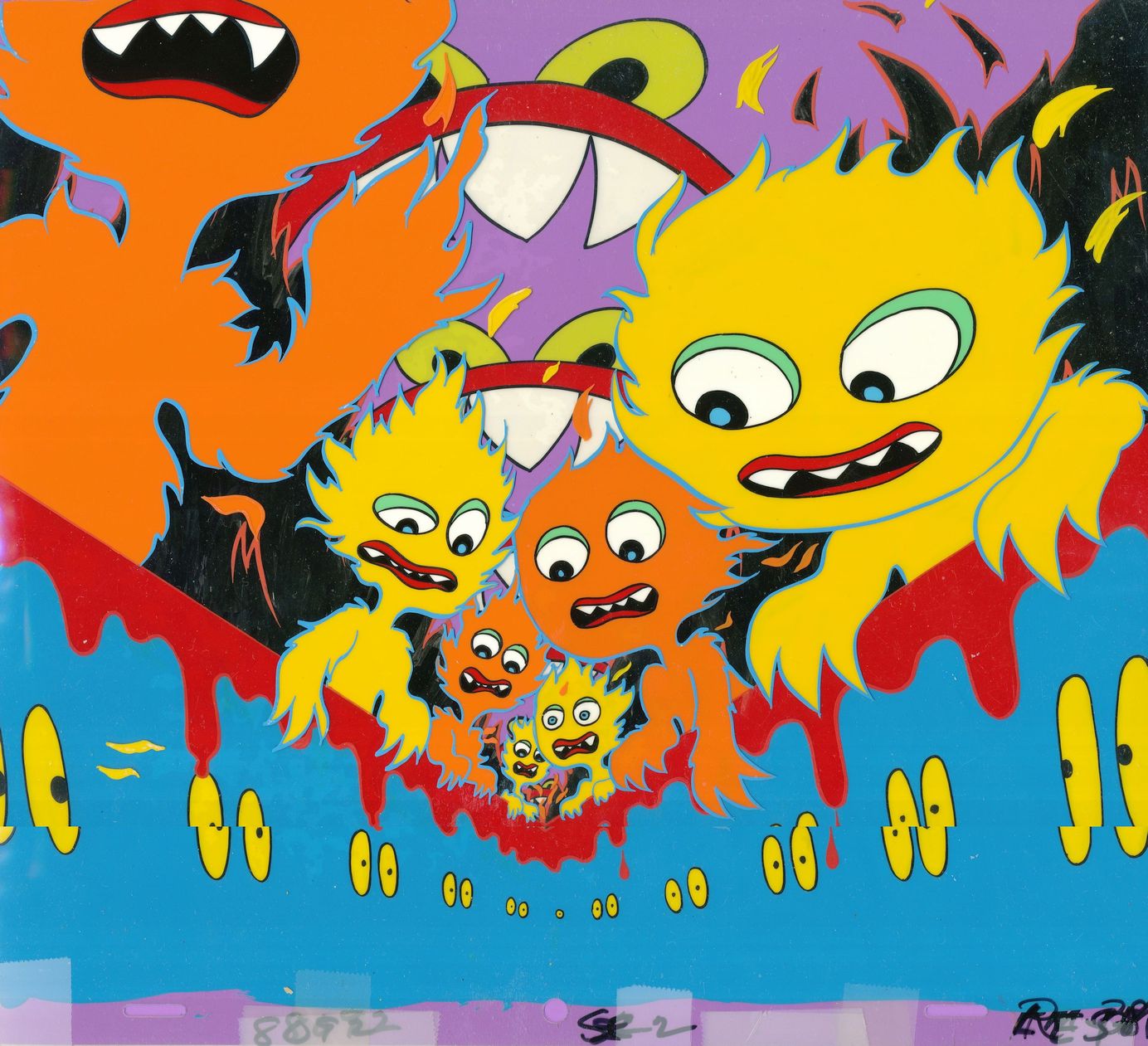
  A few years later, Sam Cornell and fellow Chouinardian Gary Katona, formed a little company called Pacific Motion Pictures. I was hired on as a staff animator, I even had a business card! Randy Akers, who was a good friend of Gary’s was an art director for the little company. One of the most fun TV commercials we made was for Popeye Video Games. We styled the characters a bit like Segar, a bit like Bela Zaboly and a little bit like Fleischer. Randy actually constructed real sets for the spot, which were photographed on a sound stage. The idea was to emulate the Fleischer “Stereoptical Process” 3-D backgrounds without actually sculpting and building the miniature sets. In the finished commercial, you can hardly see the sets with their glass brick and translucent counter tops for the animated characters exposed over the live action “plates”. I remember that Randy was kind of upset that my ugly animation was blocking his beautiful sets. In the layout for Sc two (see above), you can see how much room I gave Popeye and Bluto/Brutus and just how much they covered Randy’s set, which I traced in red from the photostat. I think Sam liked the look I gave Popeye, Olive and Bluto/Brutus. At the time it seemed so futuristic to have old Popeye playing the new thing called a “Video Game” of himself. Now it seems quaint as the Popeye video game looks very early 1980s. Sam also directed at FilmFair studio in the San Fernando Valley, run by former animator Gus Jekel. A lot of talented people worked there, including Bob Kurtz, who had his own little subdivision of FilmFair called “Festival Films”. Sam supervised the more traditional animated commercials, such as Charlie the StarKist tuna, and Ernie Keebler from the cookie family. A lot of old timers hung around FilmFair picking up work, I met Rudy Zamora Sr., who dated back to the silent Felix the Cat cartoons and the Fleischer cartoons in New York. Rudy didn’t look his age at all, he still had very black hair and a lot of energy. One of Sam’s favorite animators was Stan Walsh, who was one of the original partners in Quartet Films, along with Mike Lah and Art Babbitt. Stan was a rock solid traditional animator who did beautiful stuff on Charlie Tuna. In the 1970s and 80s, traditional animators were called “Mouldy Fig” and “Centerline Animators”. If you didn’t draw like Heinz Edelman (the top designer on “Yellow Submarine”) you were relegated to the sidelines. People like Stan Walsh were just taken for granted, along with people like Hicks Lokey and Amby Paliwoda. These guys could really draw volumetrically and could turn and twist a character in any direction, which came in handy for characters like Tony Tiger, Ernie Keebler and Charlie Tuna. Sam admired cartoonists who drew “funny” and well. Here’s a link to the ONLY radio interview ever done with Sam: HERE. In this interview, Sam talks about his involvement with the Seattle World’s Fair in 1962 and the creation of the Unisphere with Harper Goff, a Disney Imagineer. Harper said that Sam drew with a “Funny Pencil”, and that really sums up Sam’s approach to drawing. He just couldn’t help being a clown with cartooning. We worked on quite a few things, notably an animated sequence for the “It’s A Good Life” seqiemce of theTwilight Zone movie, designed by Sally Cruikshank. Ethel, played by Nancy Cartwright (who eventually became the voice of Bart Simpson and a multi-millionaire) is wished in to Cartoonland by Anthony, played by Jeremy Licht, where Ethel is eaten up by a Sally Cruikshank monster. The main flaw in the sequence is that Ethel’s demise is not gory enough. We had fun making our part of the sequence, but had a hard time balancing the flatness of Sally’s designs with the dimensional look required to work with a live actor (Nancy). I also animated part of the title sequence for the “New Woody Woodpecker Show”, in which Woody was being chased by Wally Walrus. At first Sam thought the animation was too “fast”, but changed his mind when all the inbetweens were done and the cels were painted. I really enjoyed animating one of my favorite characters, Woody. I applied several times for work at the Lantz studio in the early 1970s, only to be told that “You’re gonna have to wait until some of these guys DIE before we’d ever hire YOU!” Sam gave me the chance to at last do one scene with the red headed rascal.
Sam did take a drink or two occasionally, and I think he may have been a smoker, judging by the slightly wheezy tone of his voice. The girls liked Sam a lot, he had a knack of making them laugh and complimenting them at the same time. Sam unfortunately was in a terrible car accident, in which he ran his convertible off the highway and right under a roadside billboard, as I recall. He broke nearly every bone in his body, and I visited him in the hospital. I think he tried to laugh a little, but it was too painful for him. He walked with a cane for the rest of his life, but bounced back almost as jovial and convivial as he was before the accident.
The last time I heard from him was just about three years ago. Sam was in a care facility in Ojai where his family had placed him and he called me on the phone one Sunday afternoon. He was very cordial and complimentary to me about my animation for him over the years. He wouldn’t say just what ailment was keeping him in the facility, but he did say he liked the place. I really enjoyed hearing from him. About a year later, my wife and I were in Ojai for a film festival and tried to find the care facility where Sam had called me from, but he had been moved somewhere else by then. I don’t know what was the actual cause of Sam’s demise, perhaps it was complications from his car accident injuries. It’s not pleasant to dwell on what he died from, it’s a lot more fun to remember Sam the Funny Cartoonist!
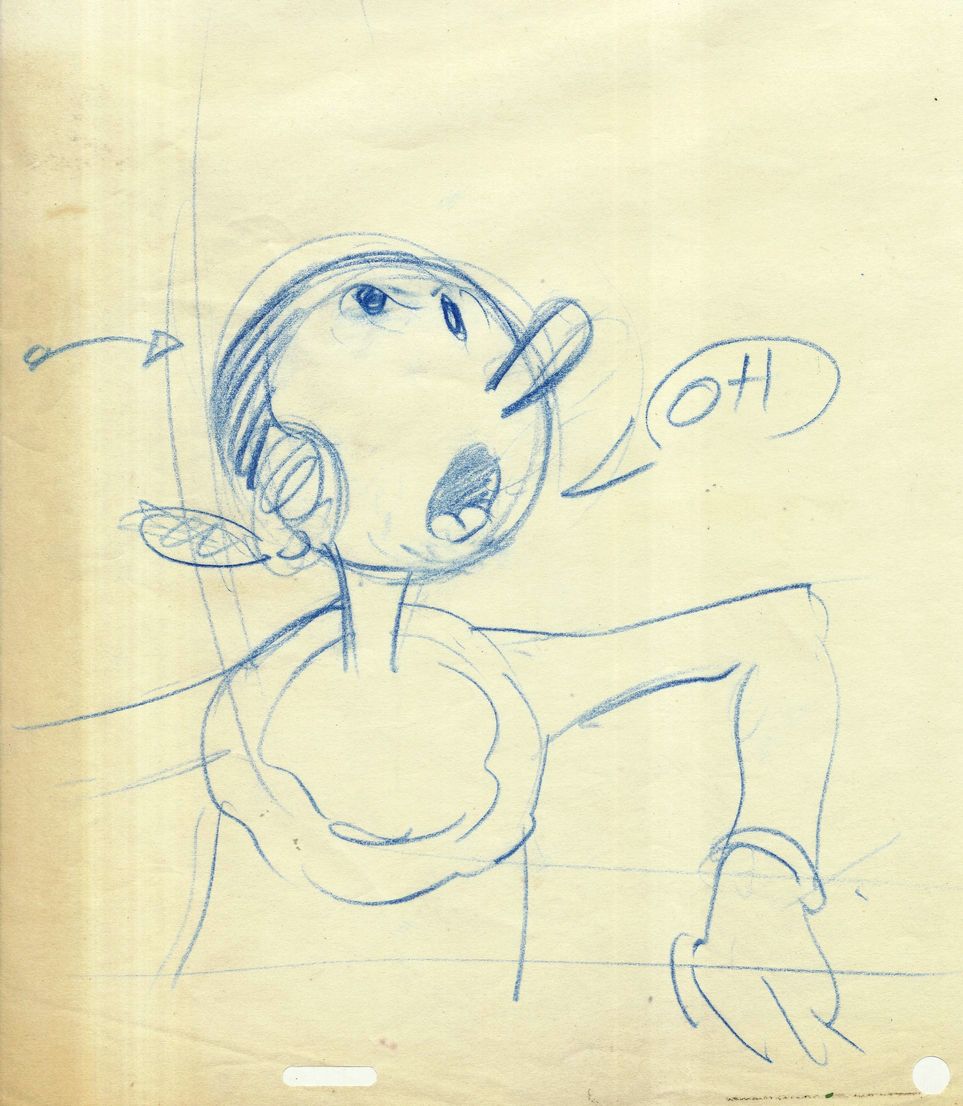
You can see from some of the images I’ve collected here, that Sam tried to make every assignment from him as much fun as he could. The little drawings and notes really made me want to get in to animating the scenes. I especially like the self-portrait that Sam put on an envelope that contained “Approx. 35 Feet inside here for Mark!” Note the cocktail glass and the severed foot alongside Sam’s portrait. Sam drew himself with Mickey ears because he liked the Mouse and did direction and layout for several commercials featuring Mickey and the Disney characters. If you listen to the radio interview, Sam outlines some of these commercials combining live action and animation. That envelope held the layouts to the last animation I did for Sam, a Keebler commercial with a runaway “Magic Oven” pursued by a Keebler elf, as you can see on one of the ruffs I did for the spot.
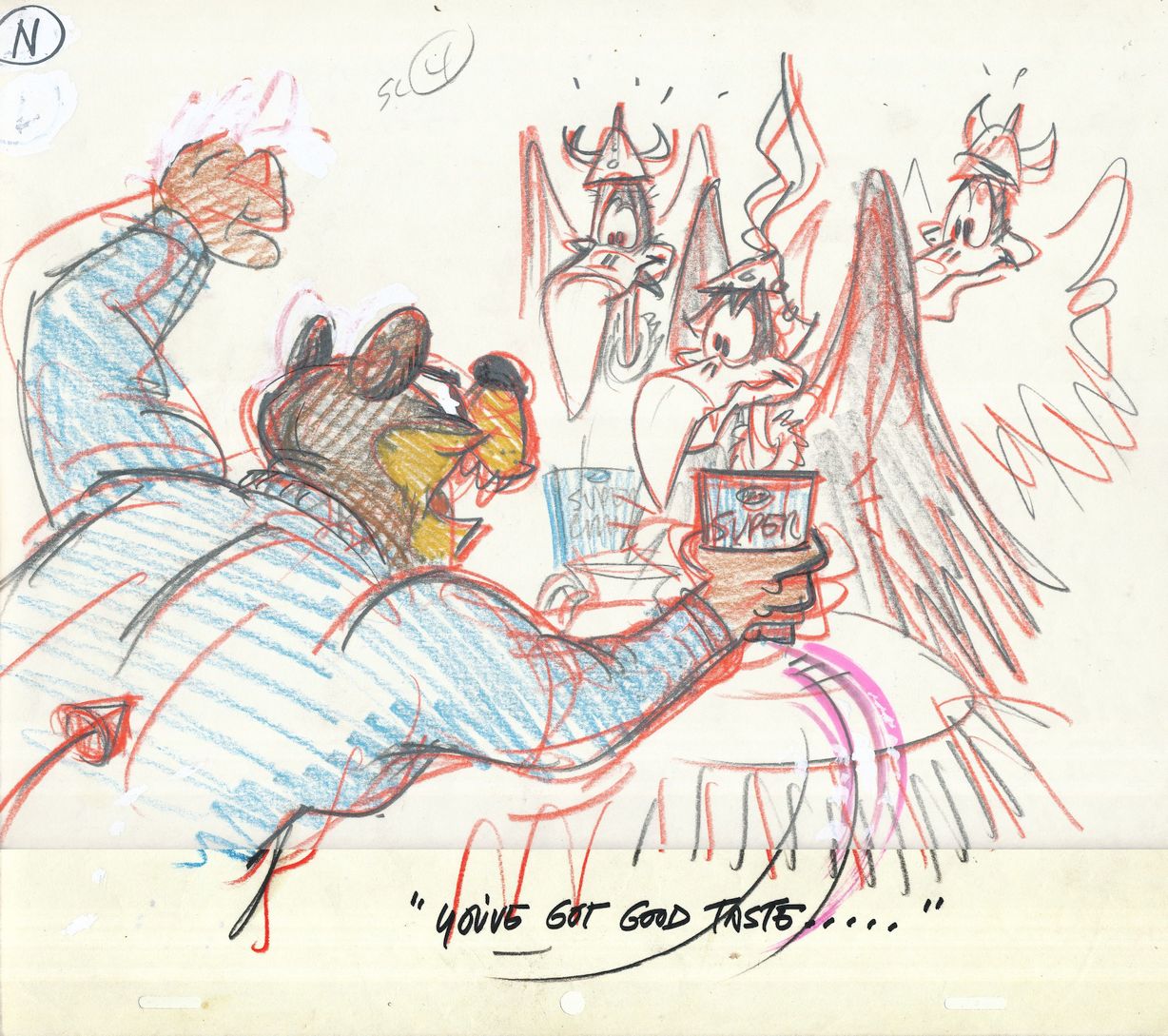
To give you an idea of Sam’s “funny Pentel”, I’ve included a couple of his drawings from a Super Sugar Crisp commercial he directed with Sugar Bear and a couple of vultures in the cast. I love the lively effects he achieved with marker and white out to make Sugar Bear look “Super”, and the wild action implied as Sugar Bear faces the vultures. I also like the little cheek he drew on the Bear’s face, a real MGM cartoon/Harvey Eisenberg touch.Sam’s drawings were inspiring to work with, even though I had to re-interpret the characters to put them on model. I always kept Sam’s drawings pinned up on the desk to boost my enthusiasm. They bristled with energy!
It’s not easy to say goodbye to such a great friend and employer who valued my work. Sam’s “funny pencil” turned out hundreds of amusing sketches over the years. He even sent out funny Christmas cards, one of which featured a turbaned character in a Moroccan desert pushing a cart that was labelled: “Cheeses of Nazareth”. Sam was so well thought of at Jay Ward’s studio that there was an old animation table in the basement with a placard reading: “The Sam Cornell Memorial Desk”. Maybe that desk is still there, along with the memories and funny drawings that Sam left in it. I learned from the Union newspaper, “The Pegboard”, that Sam had passed away. I’m sure you can imagine dear reader, just what a sad discovery that was. So Long Sam!
Here’s a short list of work that Sam kept on his resume:
live -action/animation: Integration of live actors with animated characters.Director ; Hawaiian Punch; Jerseymaid Milk; Tony Tiger; Capt. Crunch; Quisp; Quake; Froot Loops Etc.Etc Storyboard;Jay Ward studios. George of the Jungle;etc
writing: :30 commercials Ogilvy and Mather, L.A. Main Titles design/direction Walt Disney T.V. Animation and Universal Cartoons. Director for Keebler commercials from 1962 through 2005 ( While at Duck Soup Studio in Santa Monica A VERY INTELLIGENT AND BEAUTIFUL MELISSA TIMME helped me in producing a series of commercials.)
Toy design, Mattel Toys.
Model maker;Seattle World’s Fair and New York World’s Fair
( anybody remember: “Hey, how ’bout a nice Hawaiian Punch?” “Sure.” POW!
New Old Comics
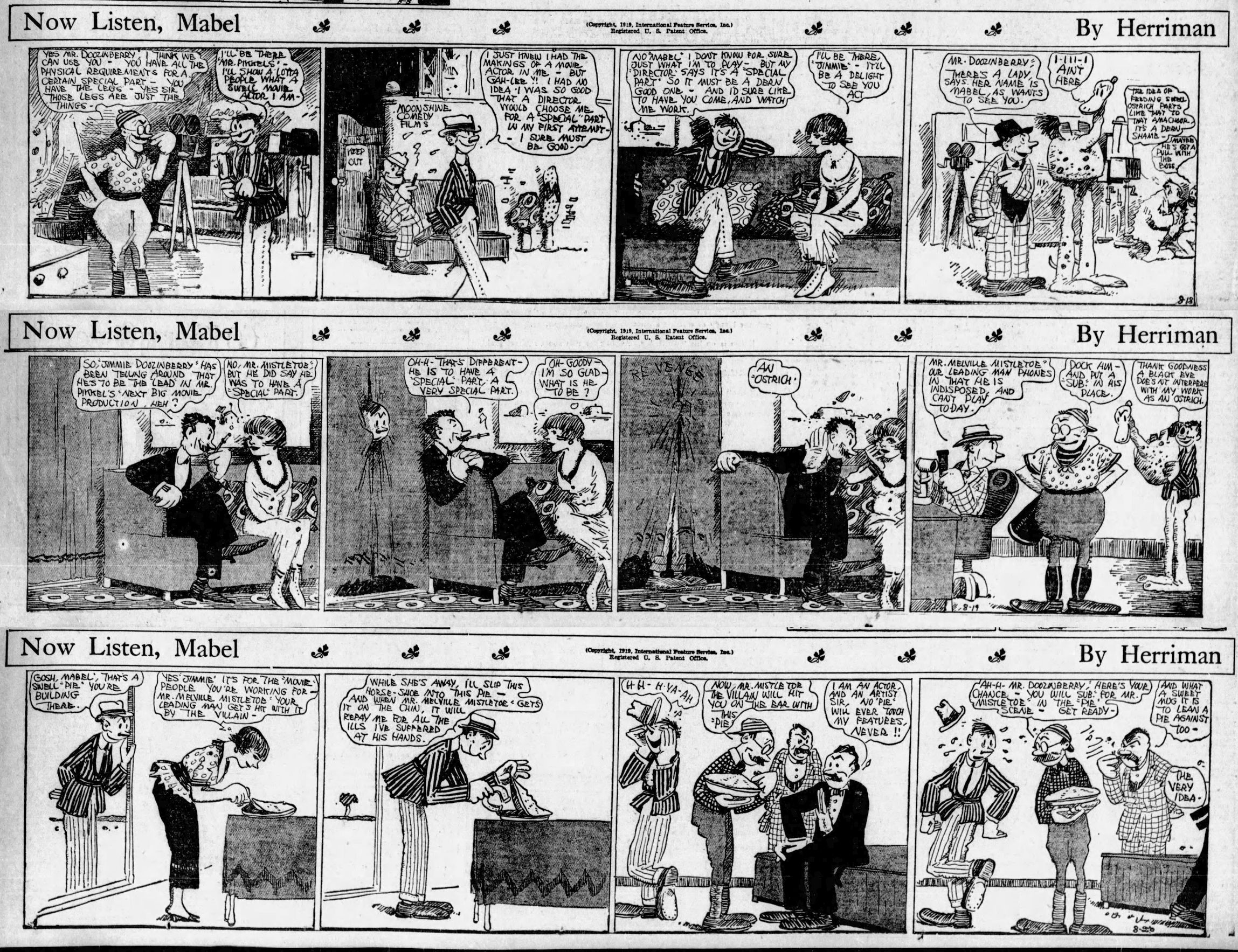

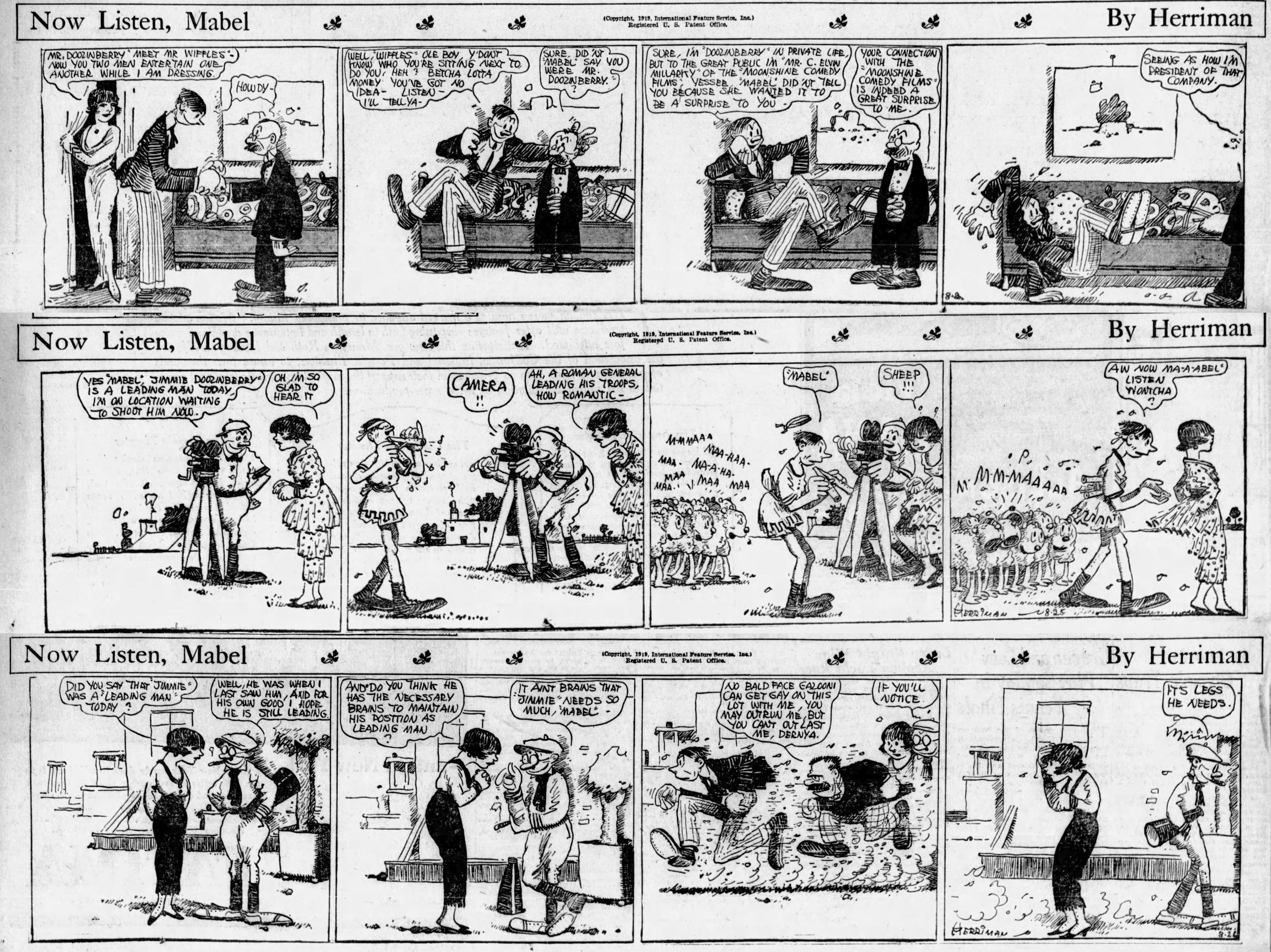
 Here they ah! After a long absence, George Herriman’s “Now Listen Myrtle” from 8-18 to 8-25-1919. Most of the action takes place in a silent comedy movie studio, and Mr. Doozinbury, Mabel’s primary suitor, has to dress as an ostrich to appear before the cameras. The art is quite detailed compared with Krazy Kat, although the ostrich costume looks a great deal like Walter Cyphus Ostrich from the Kat strip. Mr. Herriman liked to hang around movie studios and had a drawing board at the Hal Roach studios in the 1920s and 1930s where he would visit his friend, and title writer, “Beanie” Walker.
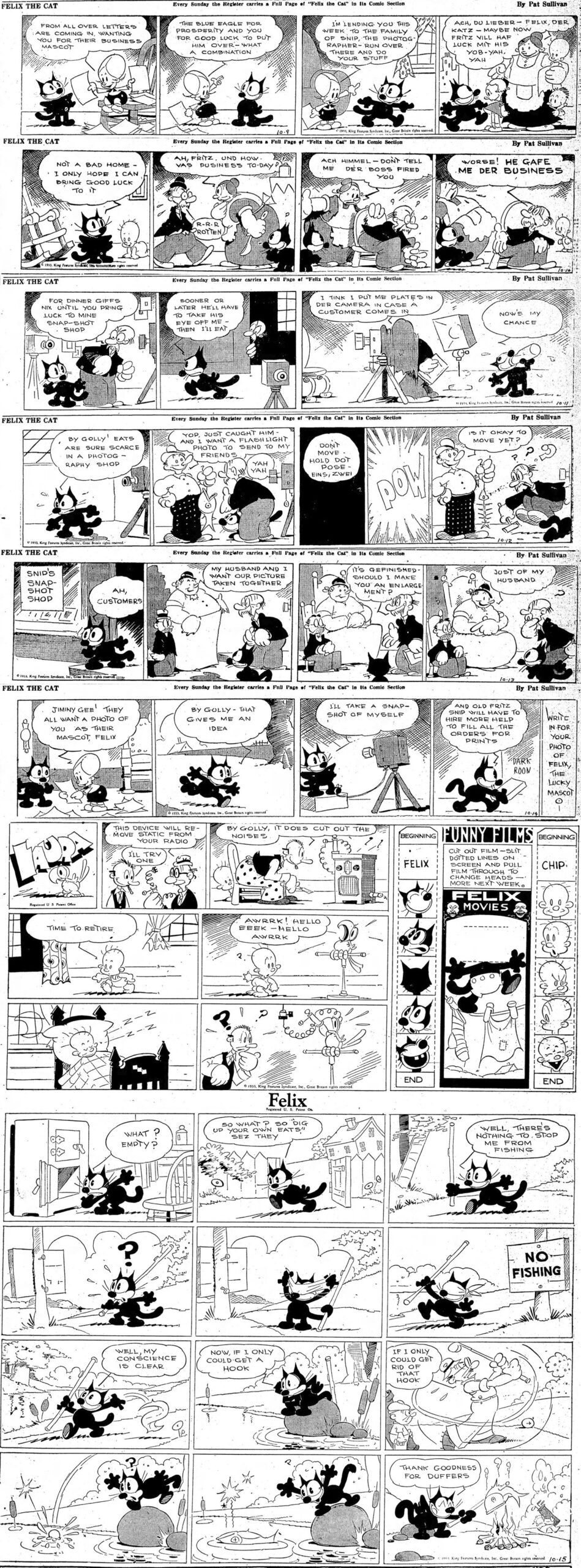
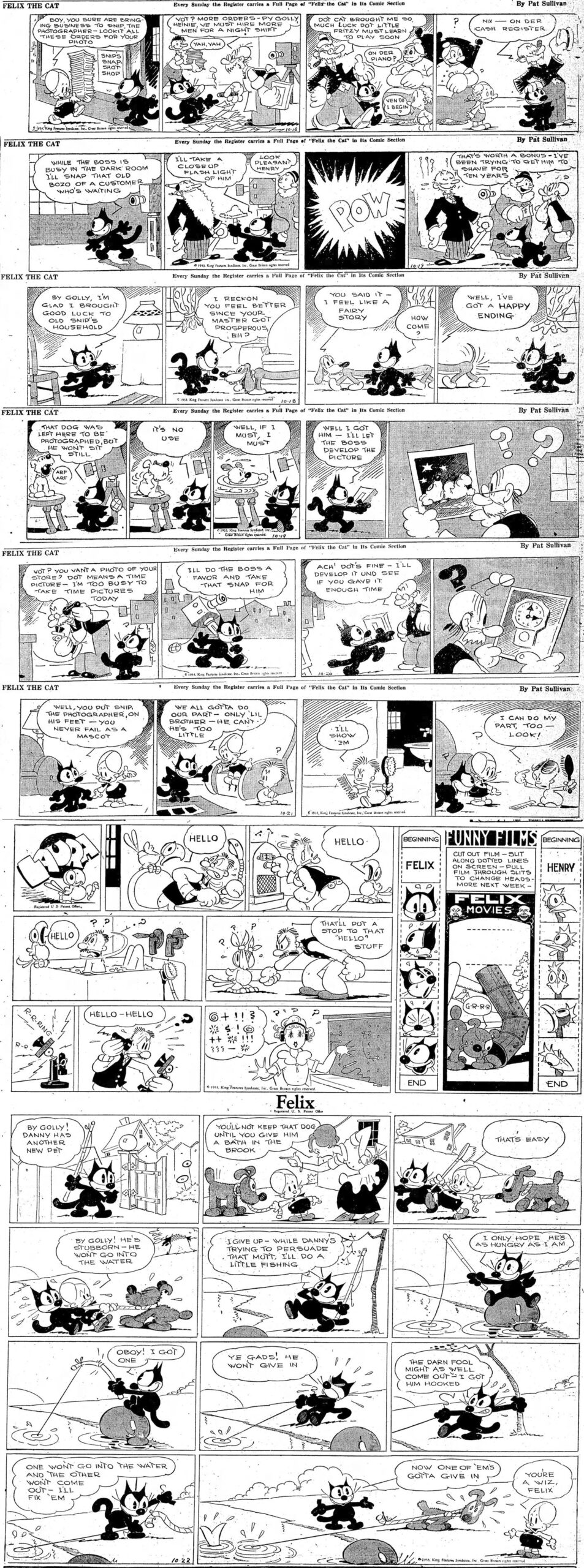
Felix is from 10-9 to 10-22-1933 this time. Danny Dooit wants to lend Felix as a Business Mascot to Mr. Snip. the photographer. Felix has to sneak meals at first, since Mr. Snip is too frugal to feed his Mascot. Felix takes a picture of himself on 10-14 and offers it to the readers if they will write to their local newspaper for it. Both Sundays feature fishing gags, one hinging on golf and the other a fishing derby in equipoise. I am working on another post as well that should be finished soon. Sorry to have been away so long.
Felix from 1933 Returns
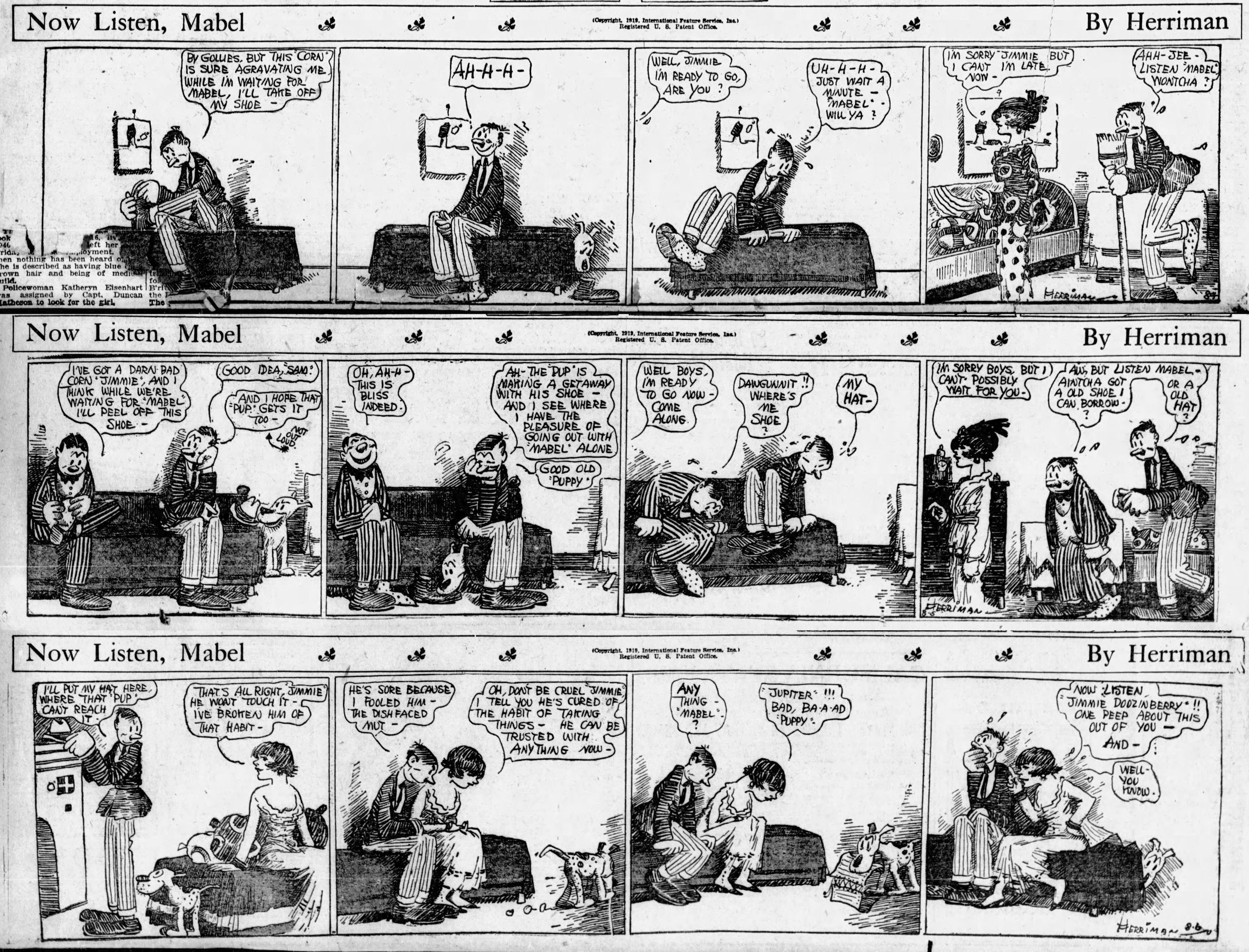

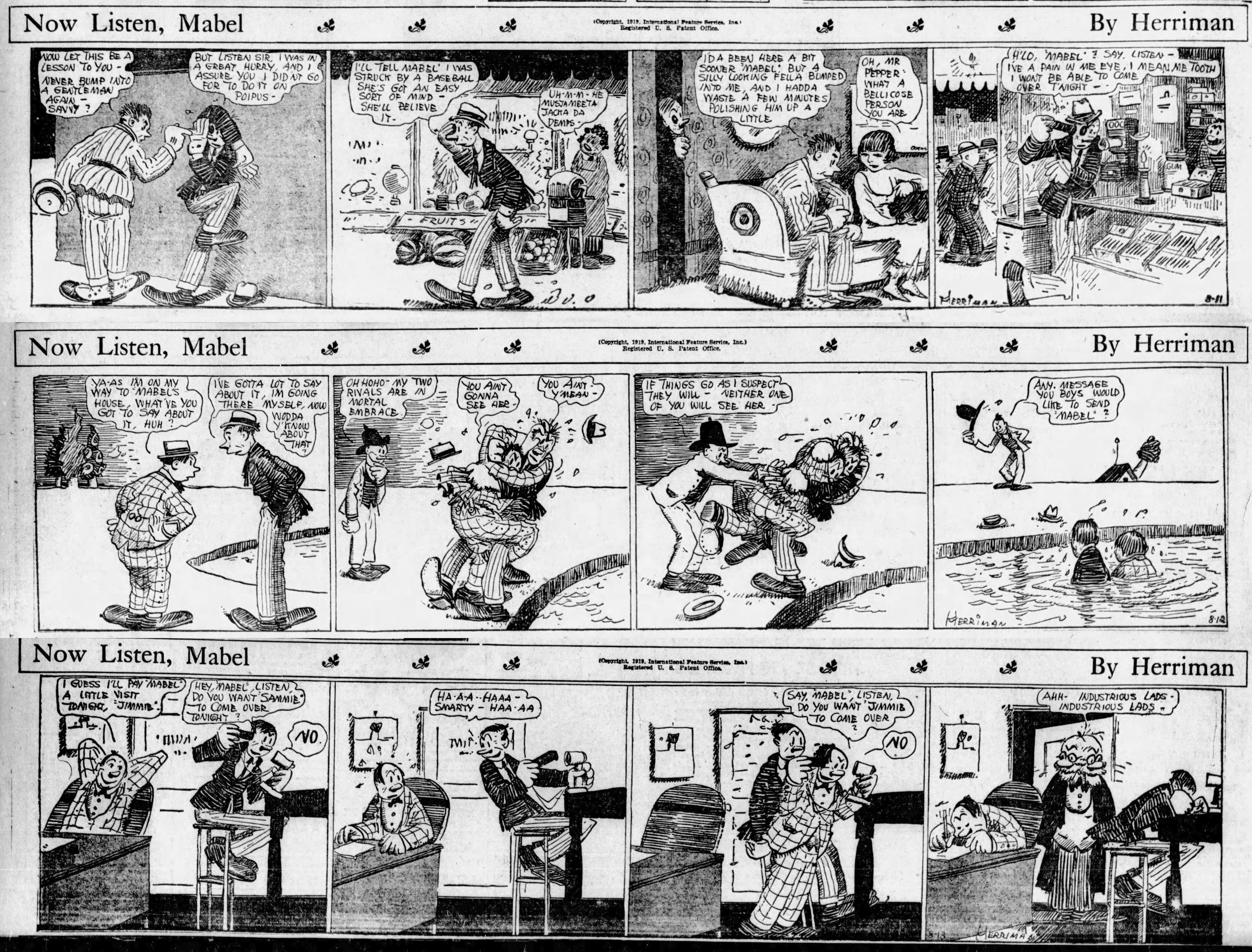
“Now Listen, Mabel”, a little-known Herriman strip from 1919, continues with the episodes from 8-4 to 8-16-1919. Note that Garge favors gags about twins and the confusion they cause Mabel and Jimmie, especially in the 8-9 (dogs) and 8-16-1919 (big and little guys). Herriman’s inking and control of blacks in the strip is certainly on a more complex order than the Krazy Kat strips. But “Now Listen, Mabel” was not destined to last very long. Stay with the Catblog for more!

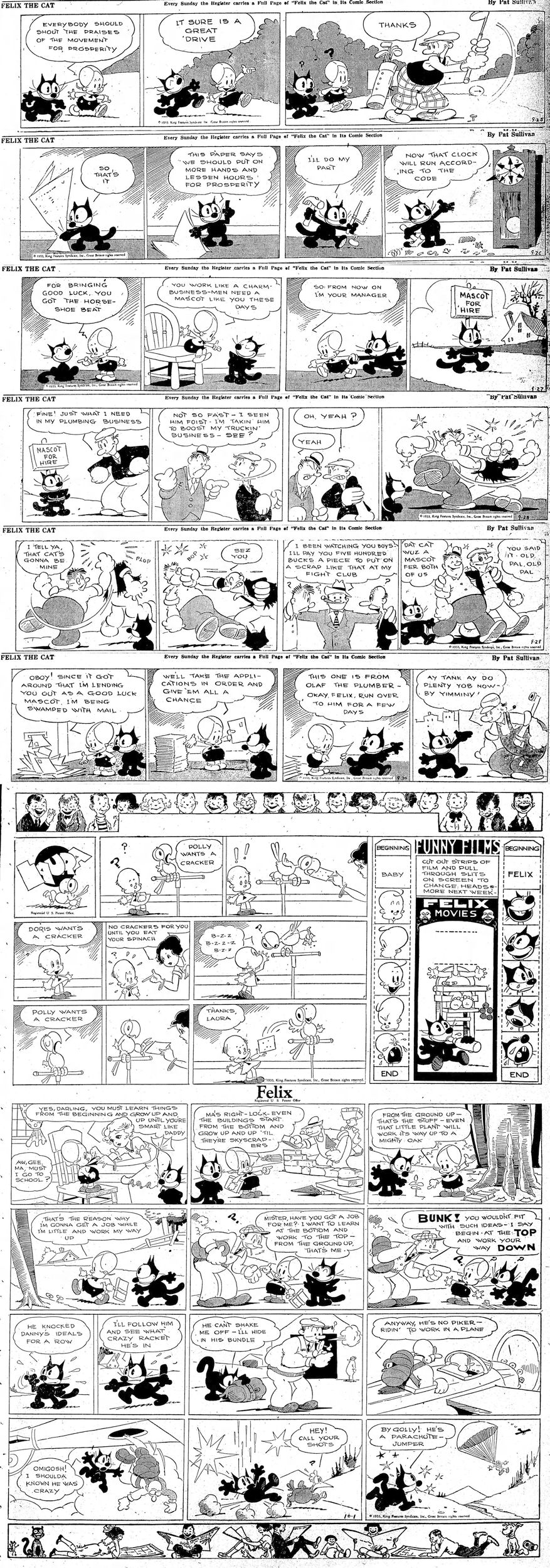
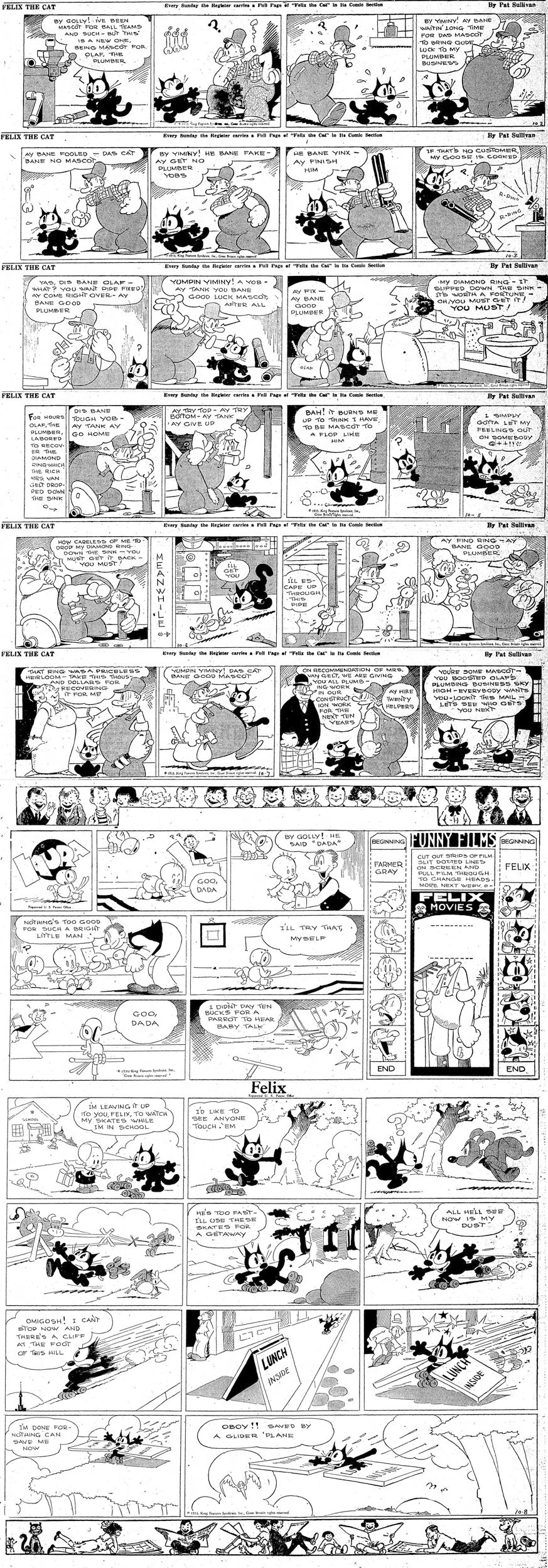
Here’s Felix back again after a long break. The strips are from 9-25 to 10-1-1933 and 10-2 to 10-8-1933. Danny Dooit wants to sell Felix’s services as a mascot to a couple of fighters in the 9-28 and 9-29 strips. Otto Messmer’s fight scenes are nearly as full of “sock” as Segar’s Thimble Theatre comics. In the 10-2 to 10-7 dailies, Felix tries to be a mascot for Olaf the Plumber. He wins Olaf’s friendship by chasing a mouse away from the plumbing. I like the speed lines and quick crash in to a sandwich board in the Sunday page from 10-8. Otto’s composition in the last panel as the sandwich board turns in to an airplane with Felix aboard has a lot of depth. How about those funny Felix faces in the “Felix Movies” toppers? Remember, just click on the strips to enlarge them. Enjoy the comics, and I’ll be back soon. Feel free to comment!
An End and a Beginning
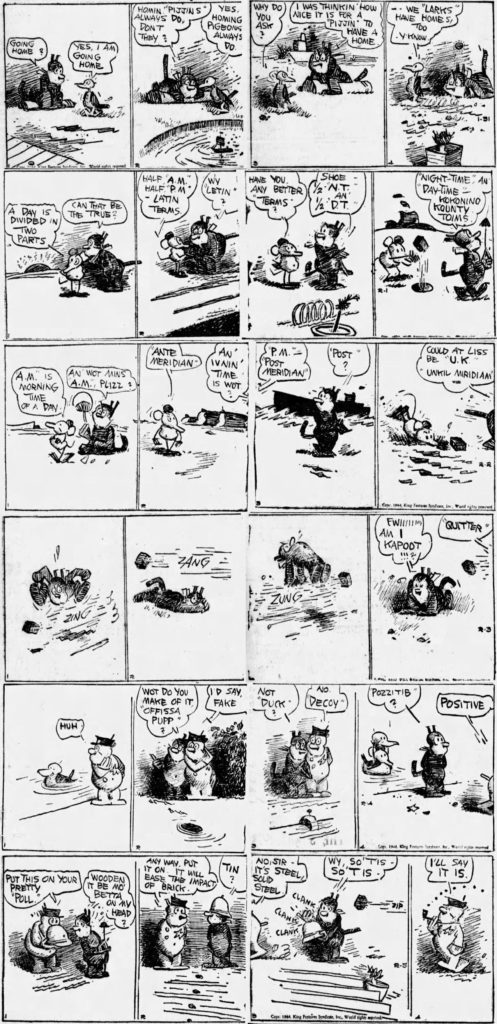
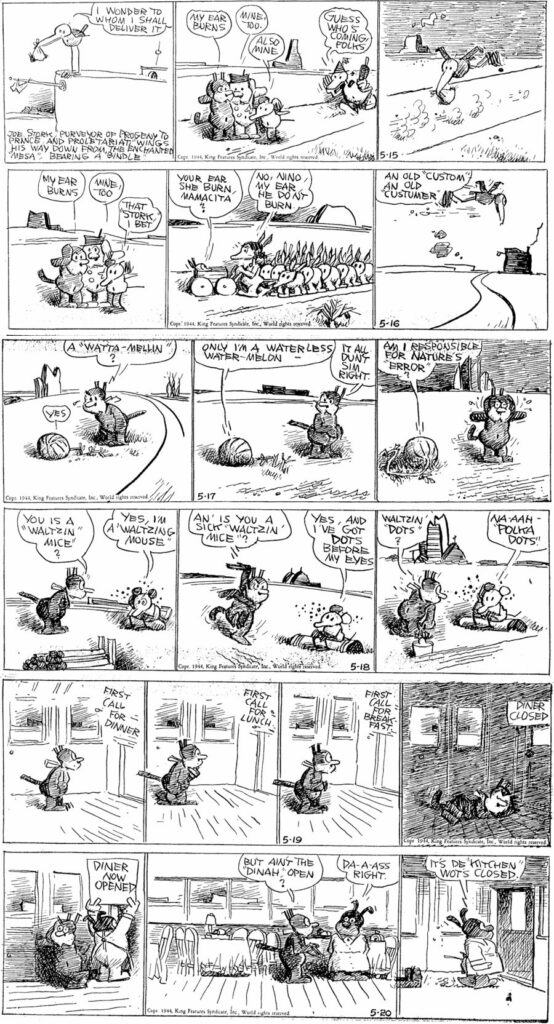 Here are the last three weeks of Herriman’s Krazy Kat from 5-13 to 6-3-1944. Joe Stork makes his final appearance in the 5-13 and 5-14 strips, bringing a “bindle” to Mrs. Coyote, who seems used to many pups. Krazy at the diner in the 5-19 and 5-20 strips seems obscure to me, especially in the 5-19, as Krazy waits outside the Diner doors, too docile to heed the first calls to Dinner, Lunch and Breakfast. Krazy is so docile that he falls asleep outside the diner, a shy and hungry Kat.
 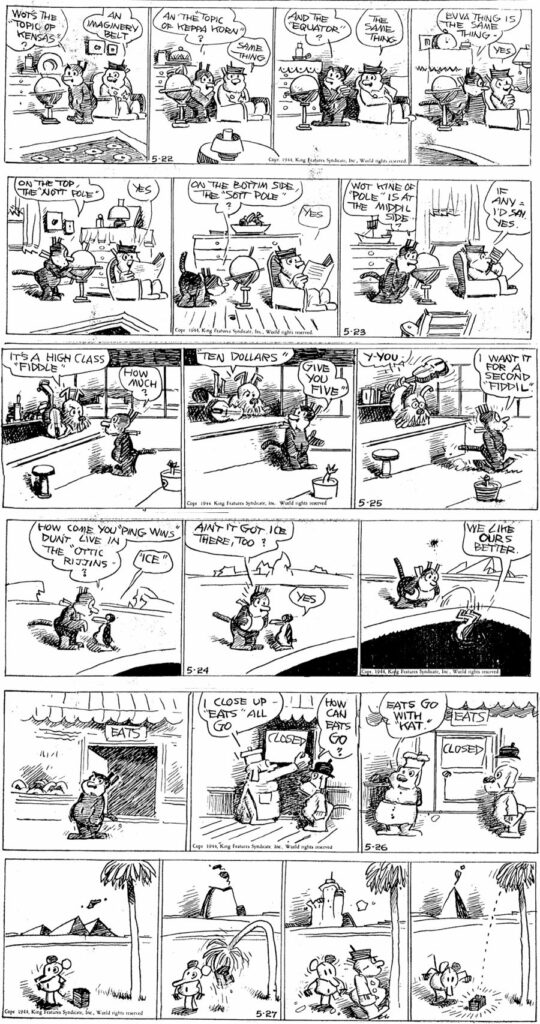 Offissa Pupp avoids Krazy’s questions about the equator and the north and south poles in the 5-22 and 5-23 strips, just like a father ignoring his child’s annoying questions. The Diner series of strips ends with the 5-26, as a very fat Krazy eats everything in the diner. In the 5-27, a mysterious thing occurs, as a palm tree picks up Ignatz’s brick and hides it from Offissa Pupp.
 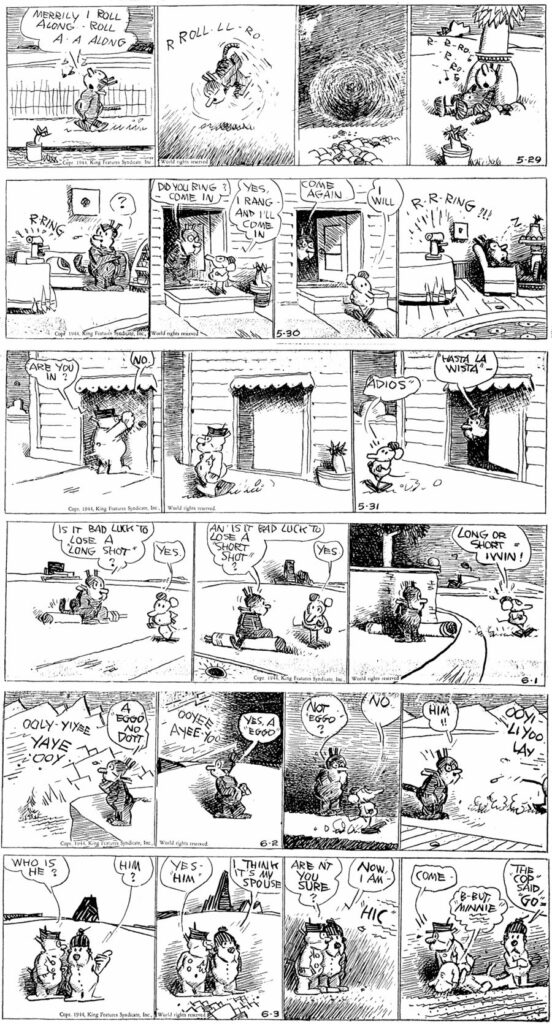 In the final week of the Krazy dailes, Ignatz brags in the 6-1, that no matter how far or how near he throws the brick, he wins! In the 6-2 strip, Herriman’s ugliest drawings of Krazy are in the last two panels as Krazy angrily discovers that what he thought was an “eggo” is actually Ignatz. In the 6-3, Garge introduces a couple of new characters, a dog and her drunken husband. Offissa Pupp is the last classic character to appear in the KK dailes. Herriman draws Krazy and the Pupp with jowls in the last strips, placing a dividing line under the noses, creating a sort of peeved expression on the characters’ faces. It’s sort of a subtle indicator of aging.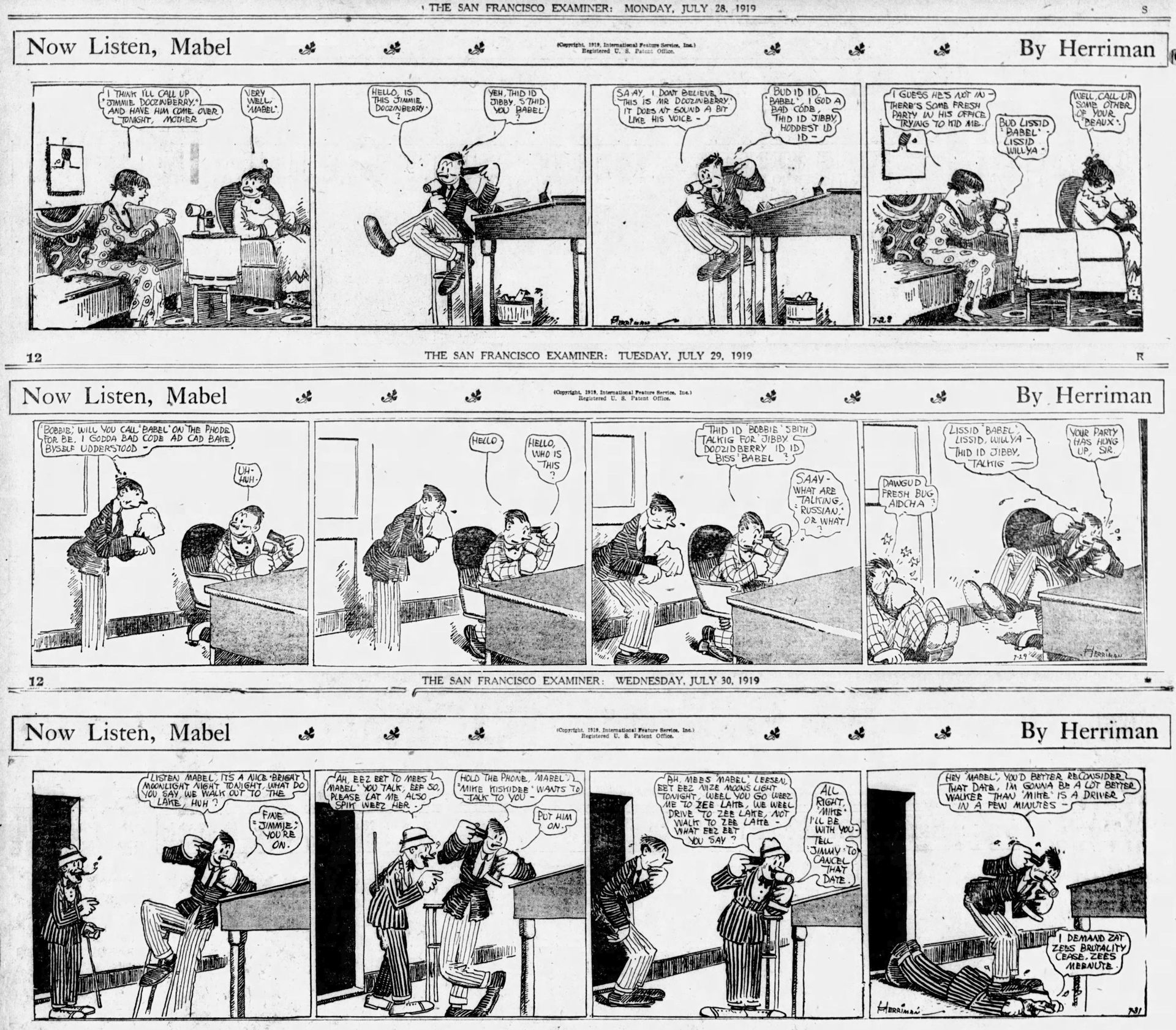
 For the next several posts, the Catblog features a Herriman daily strip that has never been collected before,”Now Listen Mabel”, from 7-28 to 8-2-1919, 102 years ago. The San Francisco Examiner, where these strips came from, didn’t start carrying Mabel until July, missing the earliest strips from April. They carried it all the way to the last strip, dated 1-10-1920, later than generally thought by the historians. According to Herriman’s biographer, Michael Tisserand, George McManus, creator of “Bringing Up Father”, endorsed “Now Listen Mabel” in a special ad that ran in the Hearst newspapers. Here’s a paragraph describing the strip: ” Now Listen Mabel introduced Mabel and her boyfriend, a shipping clerk named Jimmie Doozinberry. Mabel and Doozinberry’s boss, Mr. Sisstim, regularly conspire against Doozinberry until he finally cries out, “Now Listen Mabel.” Although “Mabel” was the name of both Herriman’s wife and his oldest daughter, the likely inspiration was a popular collection of gag verses with the punch line “Ain’t it awful, Mabel?” Herriman also must have noted the success of Rube Goldberg, who based several strips on catchphrases, most notably I’m the Guy. However, Now Listen Mabel was not destined to become the country’s next catchphrase, and the strip concluded before the end of the year.” That last statement is not quite true, for reasons I’ve given above. I’ve linked a video featuriing a lecture that Michael Tisserand, author of Krazy, George Herriman, a :Life in Black and White, did in 2016 about Herriman and the odd facets of his life as a man and a cartoonist. Enjoy it, and I’ll be posting again soon.
The Dregs of Garge, 1944
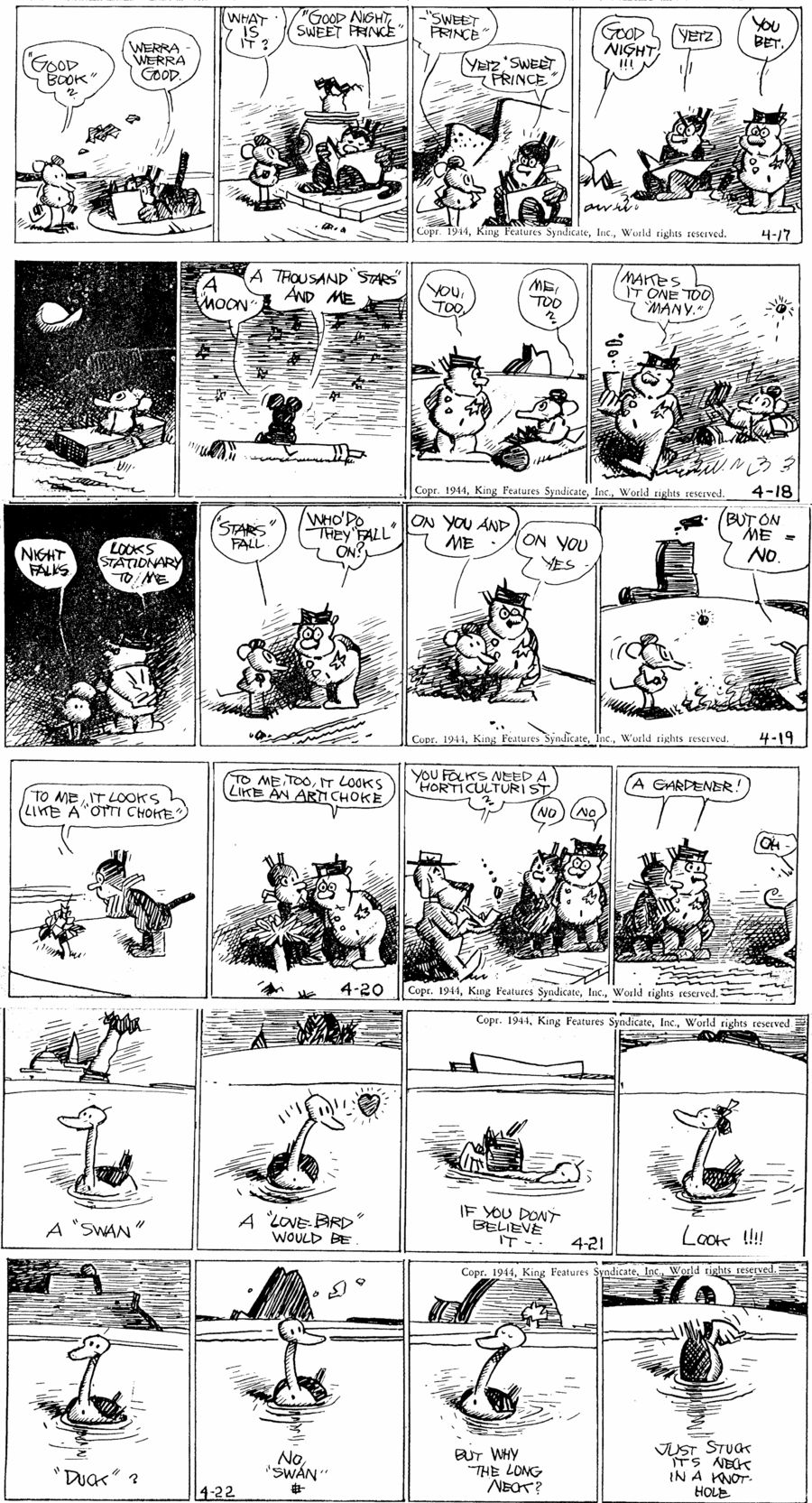 Hi Folks, Here’s Herriman’s Kat from 4-17 to 5-13-1944. We can see from these strips that Garge worked about nine weeks ahead of deadline. When he passed on April 25th 1944 of cirrhosis of the liver, he had a few uncompleted dailes on his drawing board. The Swan/Duck gags of 4-21 and 4-22 just pop up out of nowhere and don’t seem to connect to Krazy’s world, except for the backdrop of Coconino formations.
 In the 4-25 strip, Offissa Pupp tries to break the Kat Langwitch, as Krazy uses the plural of “Mouse” to mean one mouse, that is, the “Mice”: Ignatz “A Rolling Stone Gathers No Moss” is fractured, as Krazy hears “Moths” as “Moss” in the 4-27. The old adage is VERY old, dating to 1023 in Erasmus’ Adagia. In the 4-29, Offissa Pupp uses a favorite word: chouse, meaning to Trick or Deceive.
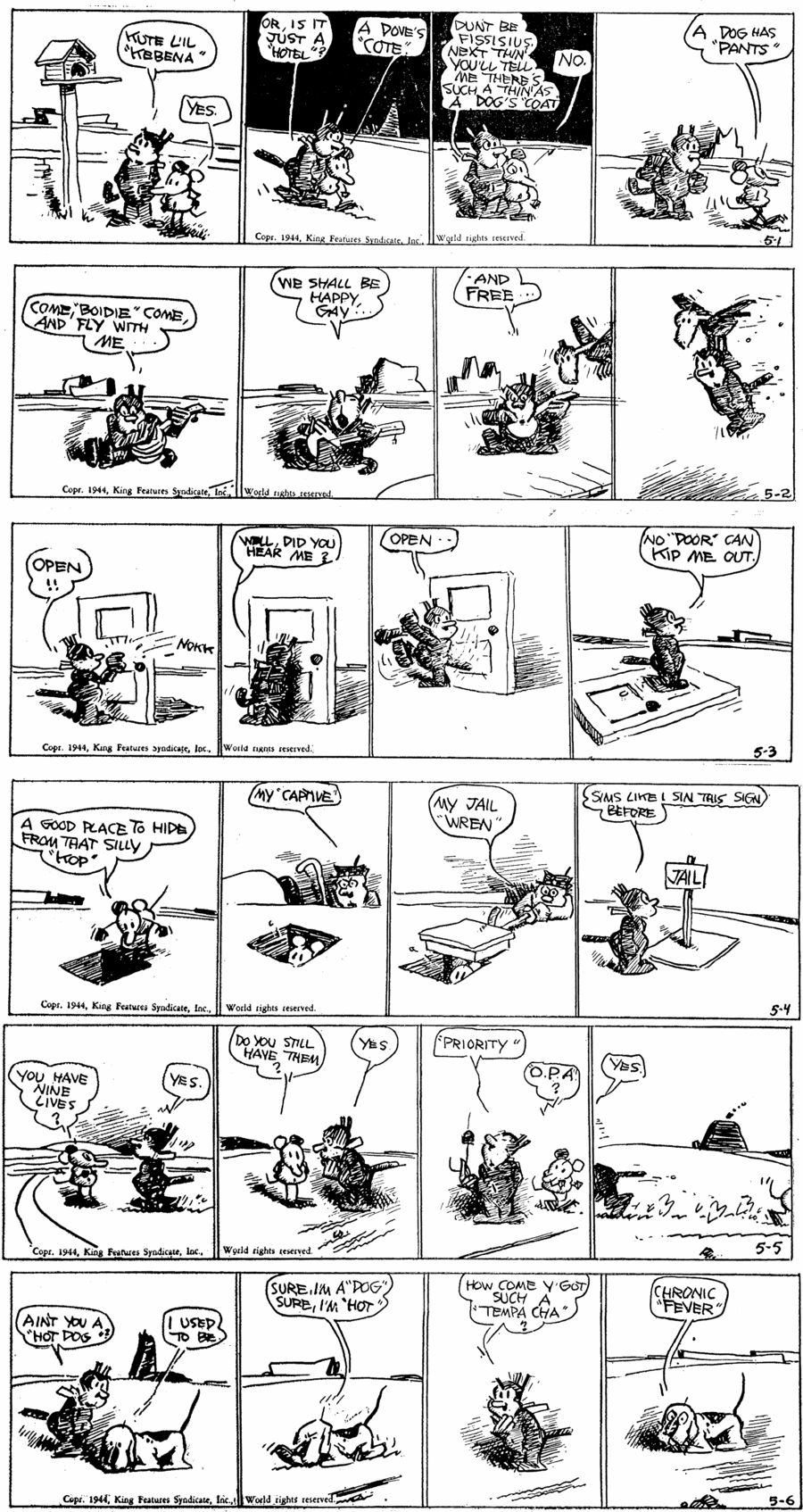 The 5-1 has a vaudeville feel to it, as a dog joke comes in, probably from the 1913 version of the strip. Another reference to Herriman’s most-referenced Wartime Agency, the O.P.A. appears in the 5-5, claiming that Krazy has a “Priority” on his nine lives.
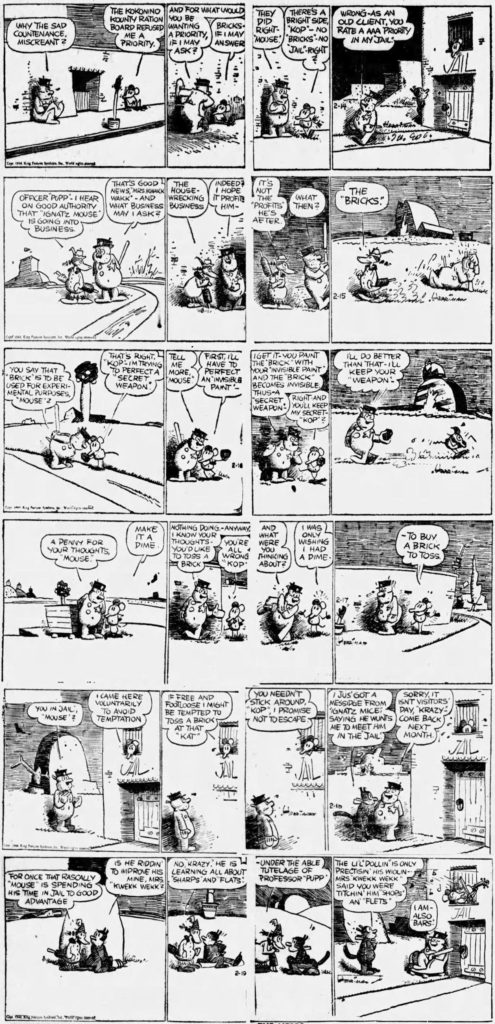
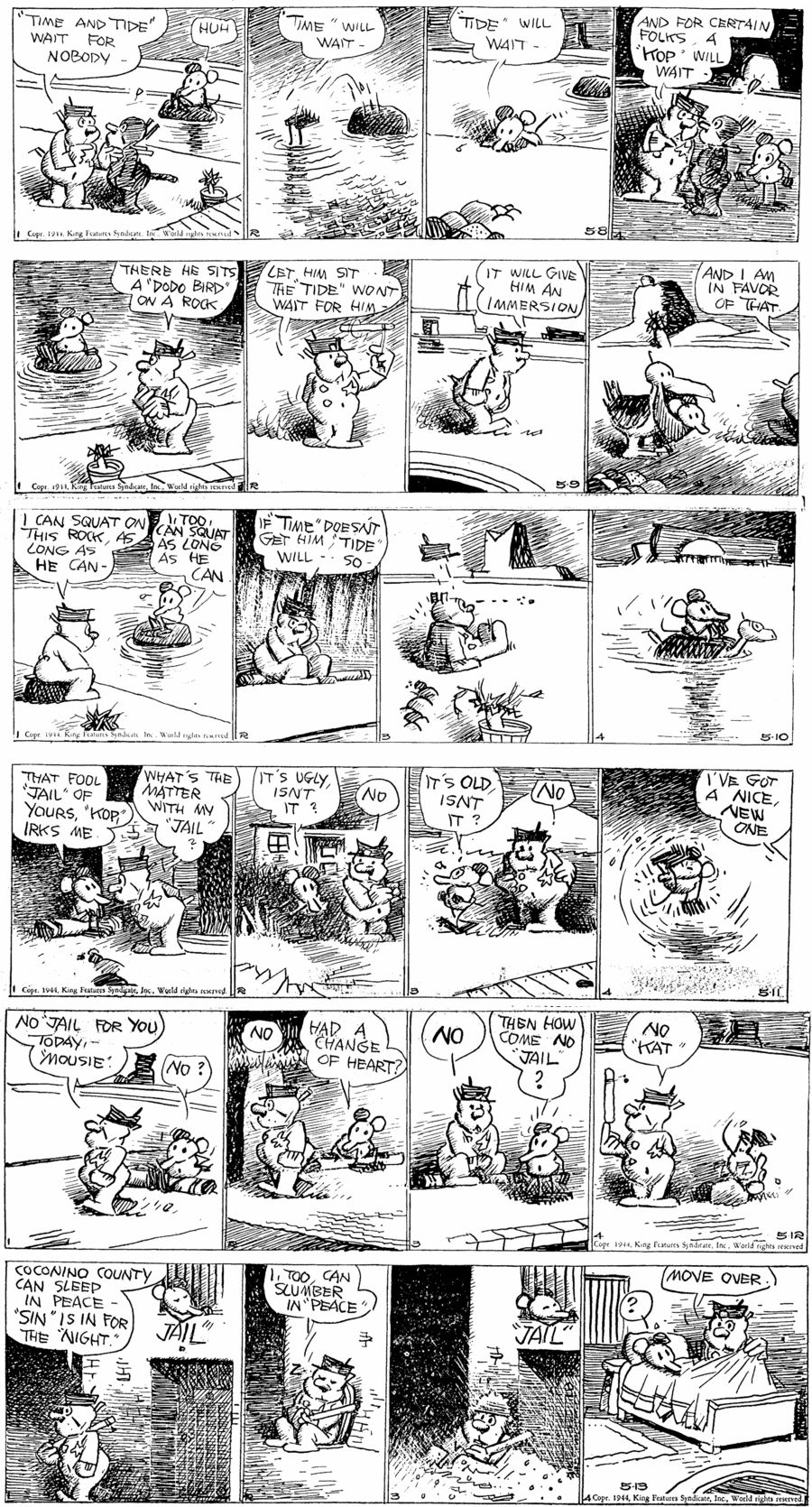 Garge does a little more shading with his pen in this batch of dailies. I like the snowstorm effect he gets in the 5-13, he probably scratched out the snowflakes with his knife after putting down a coat of black on the bristol board. In the 5-8 through 5-10, Offissa Pupp quotes Geoffrey Chaucer as he dredges up the old adage, “Time and Tide Wait For Nobody (No Man, originally)”.Jail gags dominate the 5-11 through 5-13 dailies. Offissa Pupp’s head looks really smashed horizontally in the third panel of the 5-11, perhaps Herriman’s arthritis flared up just as he was drawing the old dog’s face that day. There’s another post or two left in the 1944 Herriman opus, so keep checking, they will soon appear. Thanks for reading! Mark
George Herriman Returns!
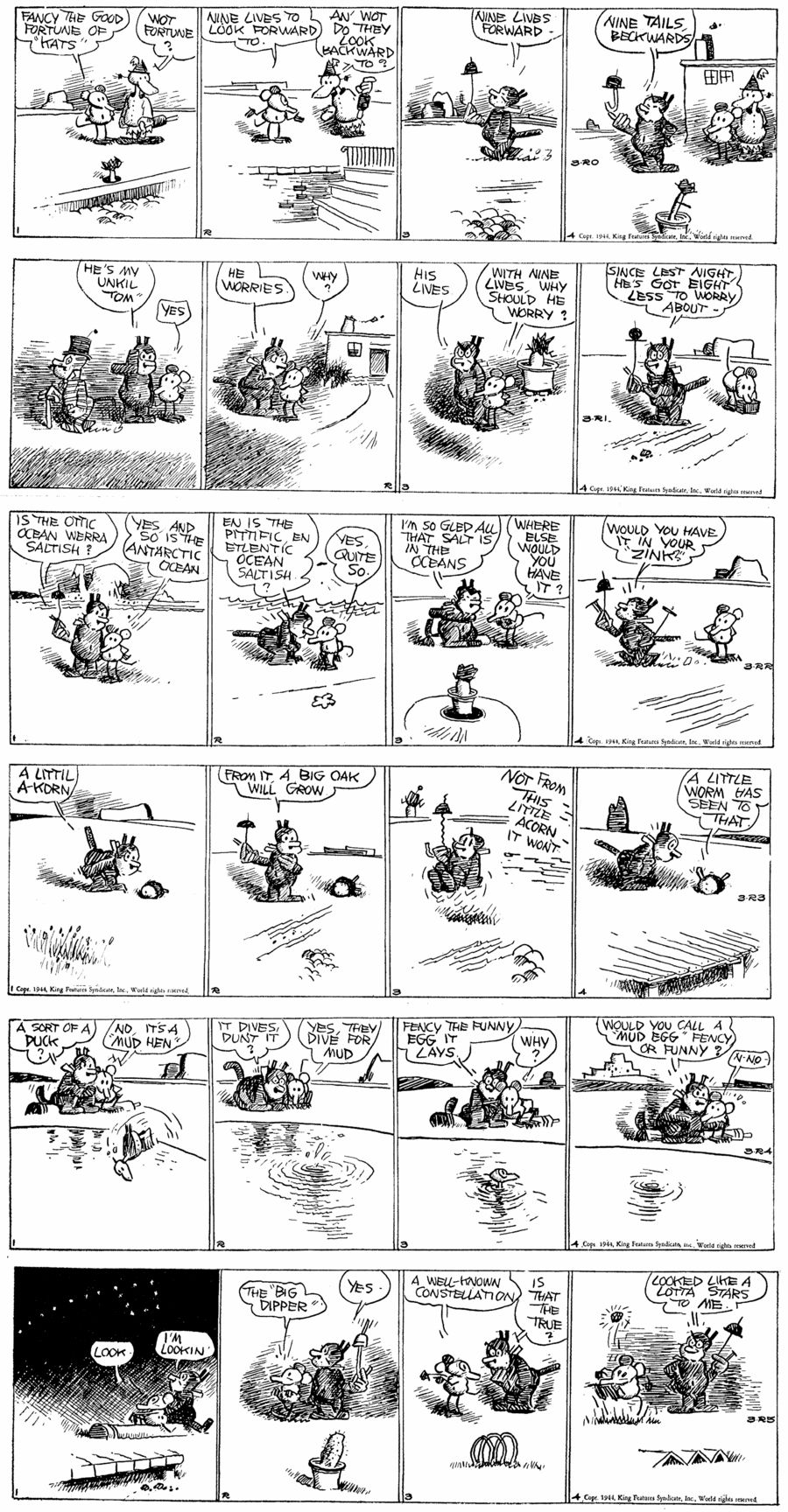
Notes on the strips: 3-31-1944: This works as a two-way pun, “sole” and “soul”.
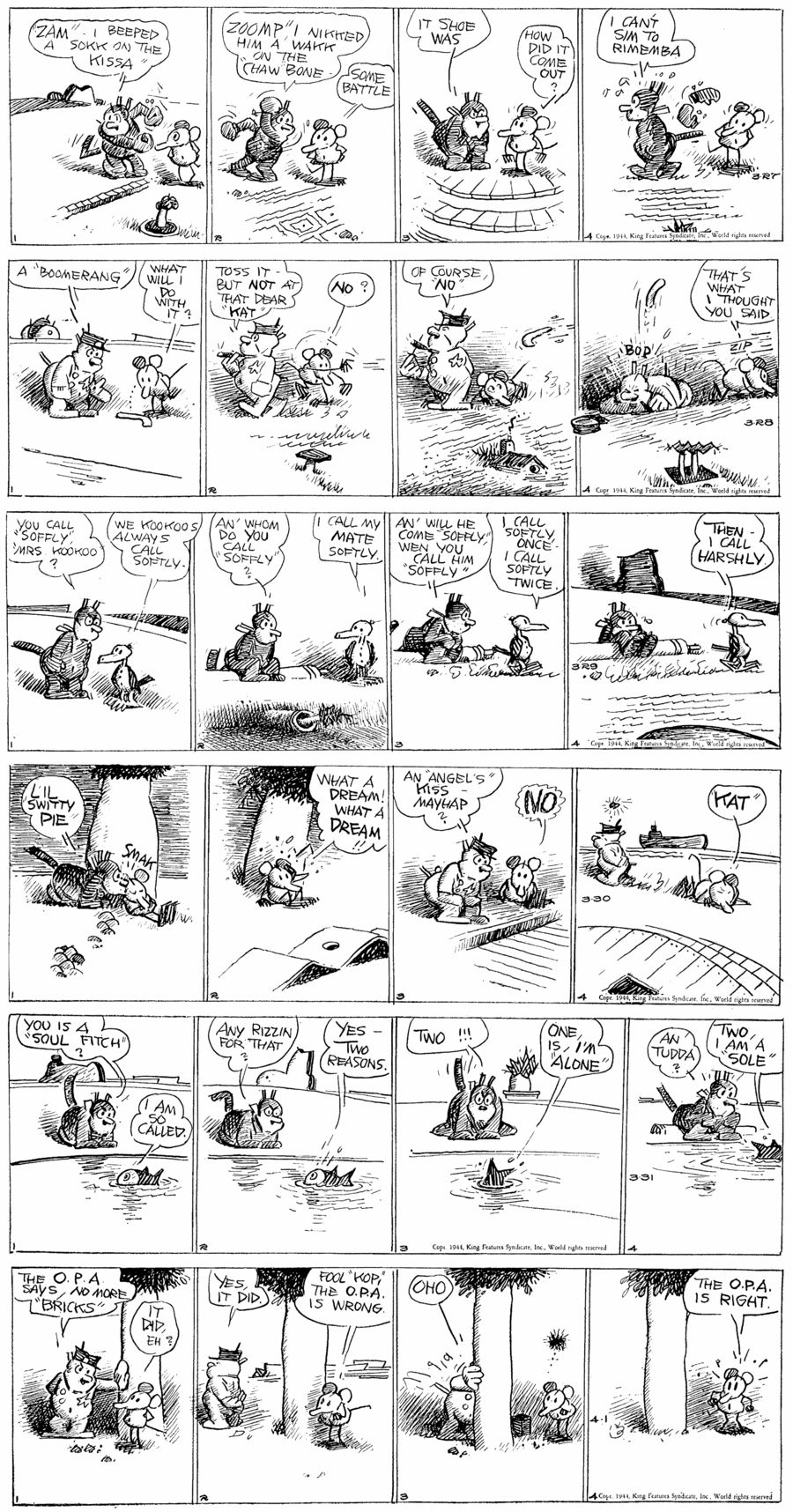
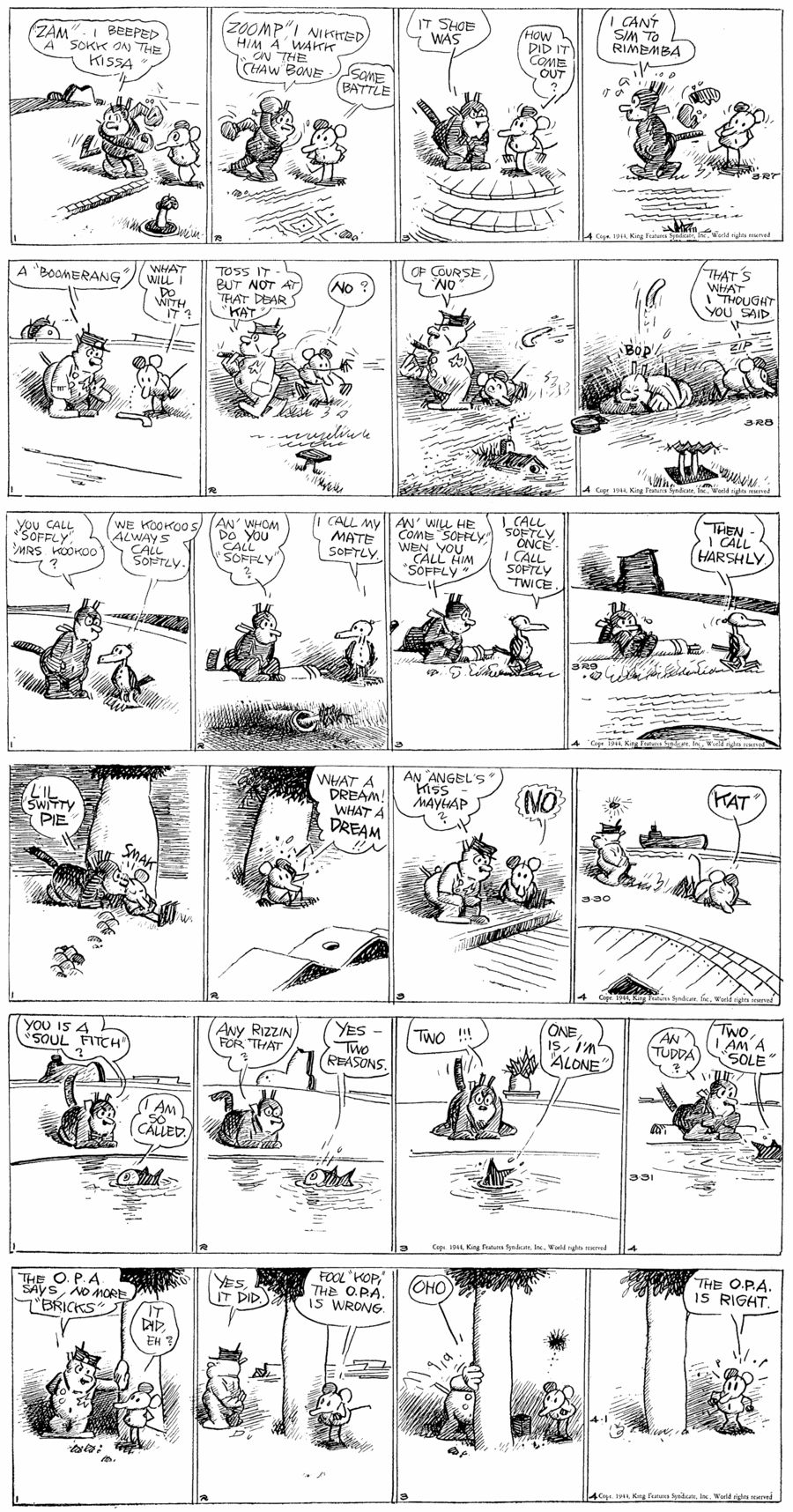

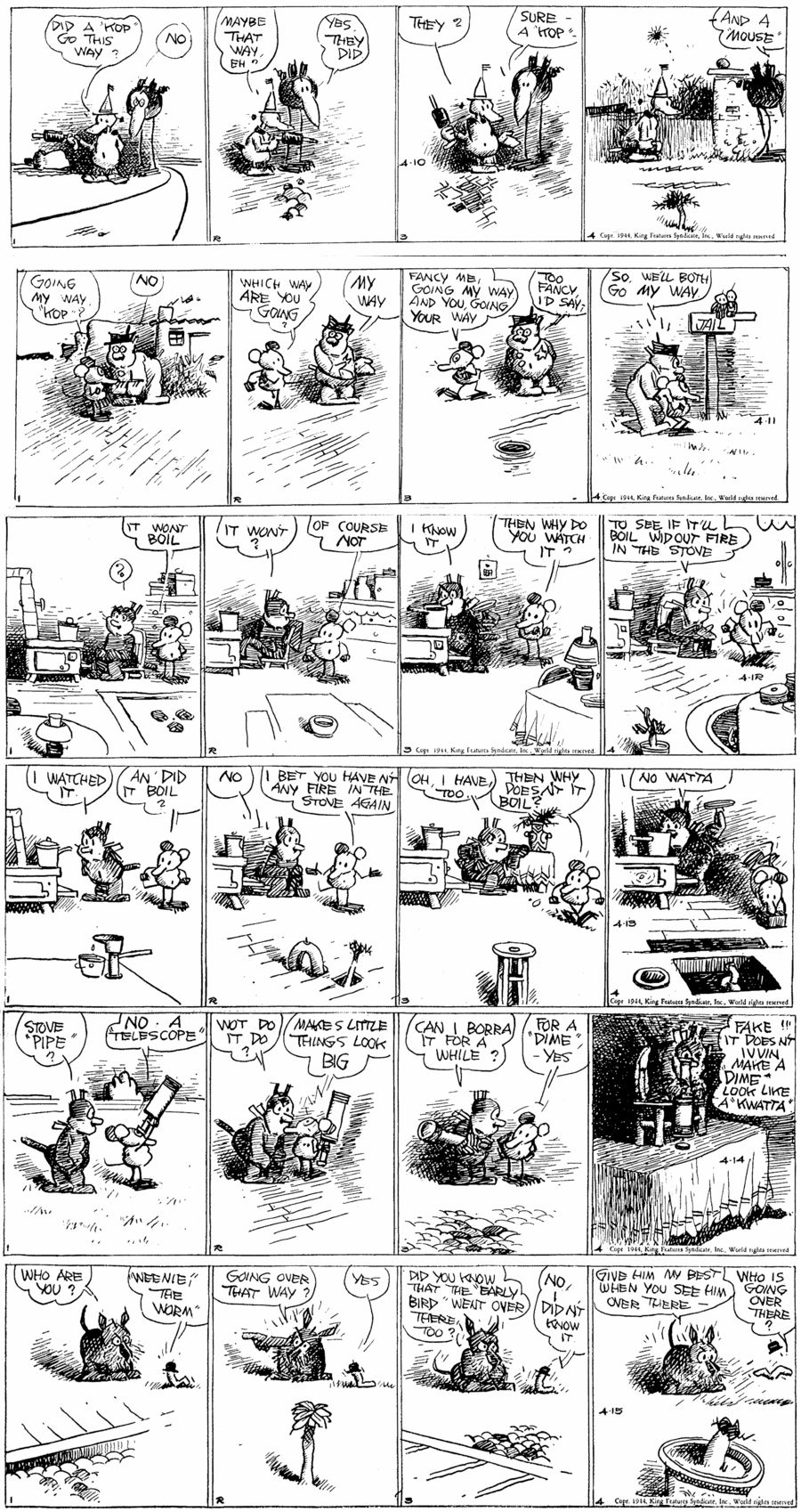
I’m learning new skills as taught to me by my WordPress advisor. I’m trying to learn how to embed videos. I love this early Charles Mintz Krazy Kat cartoon, and the silent one that follows it. Click on the arrow in the center of the frame. Enjoy!
Krazy Kat Bob Naylor Special
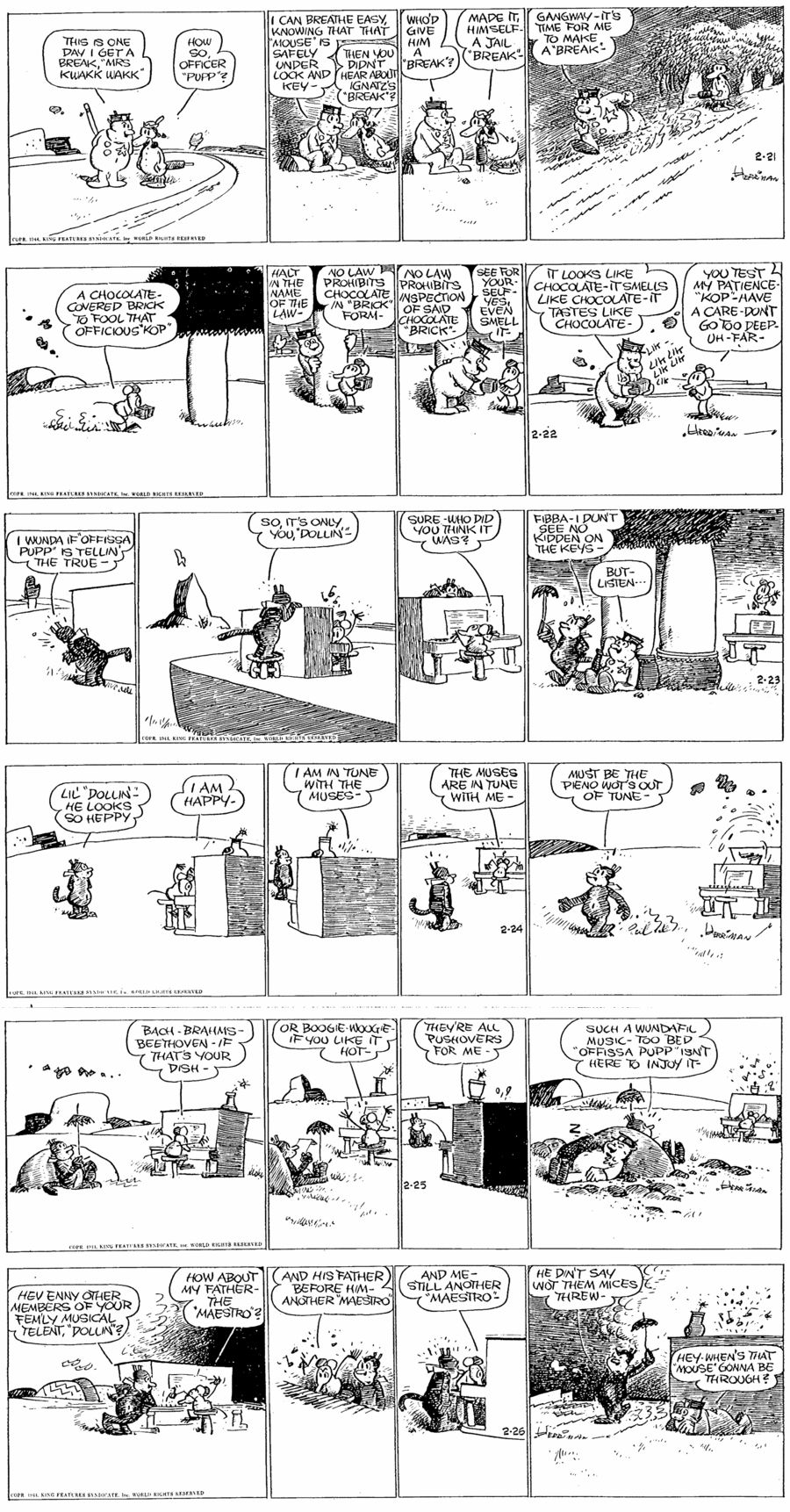
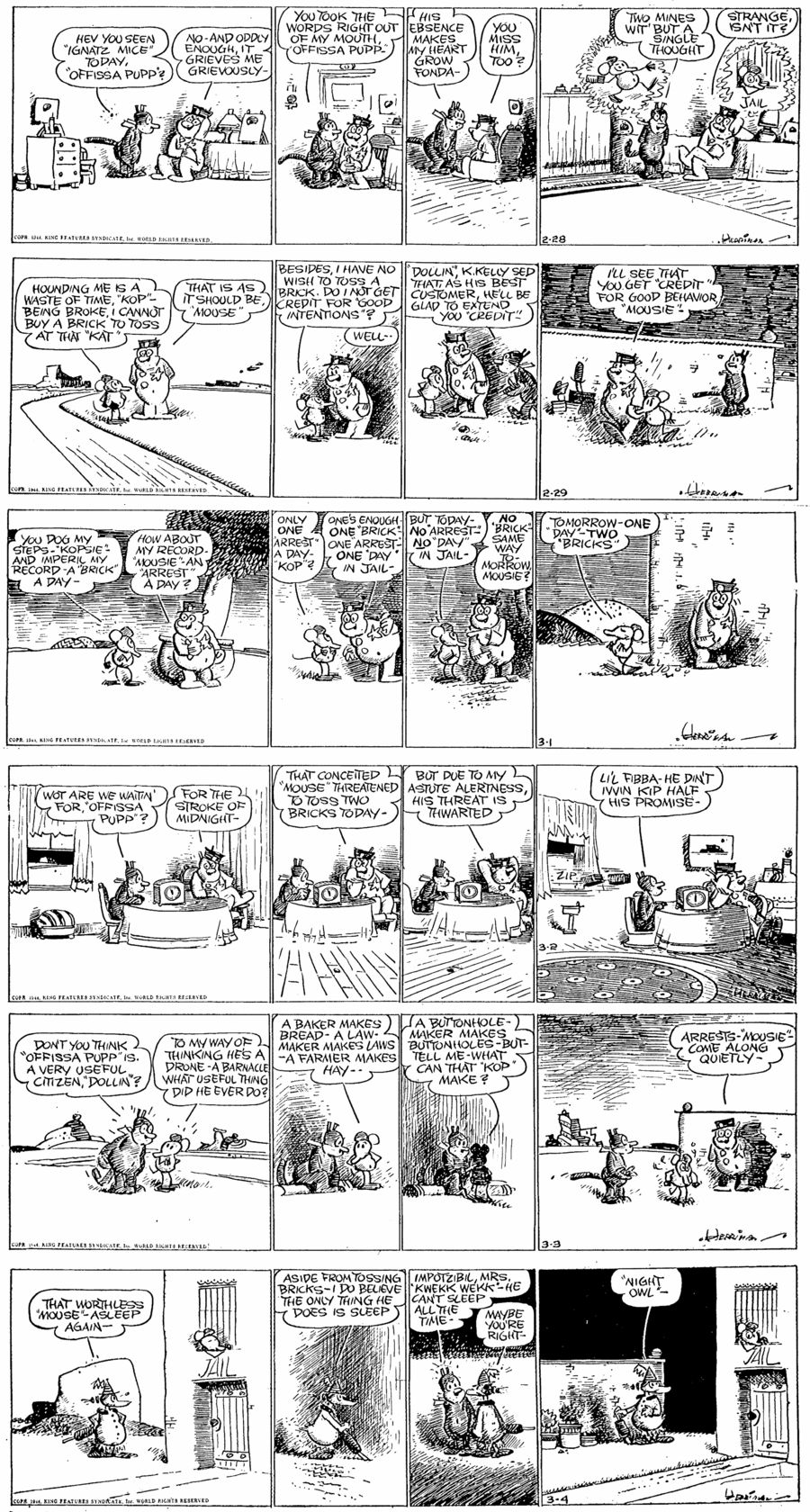
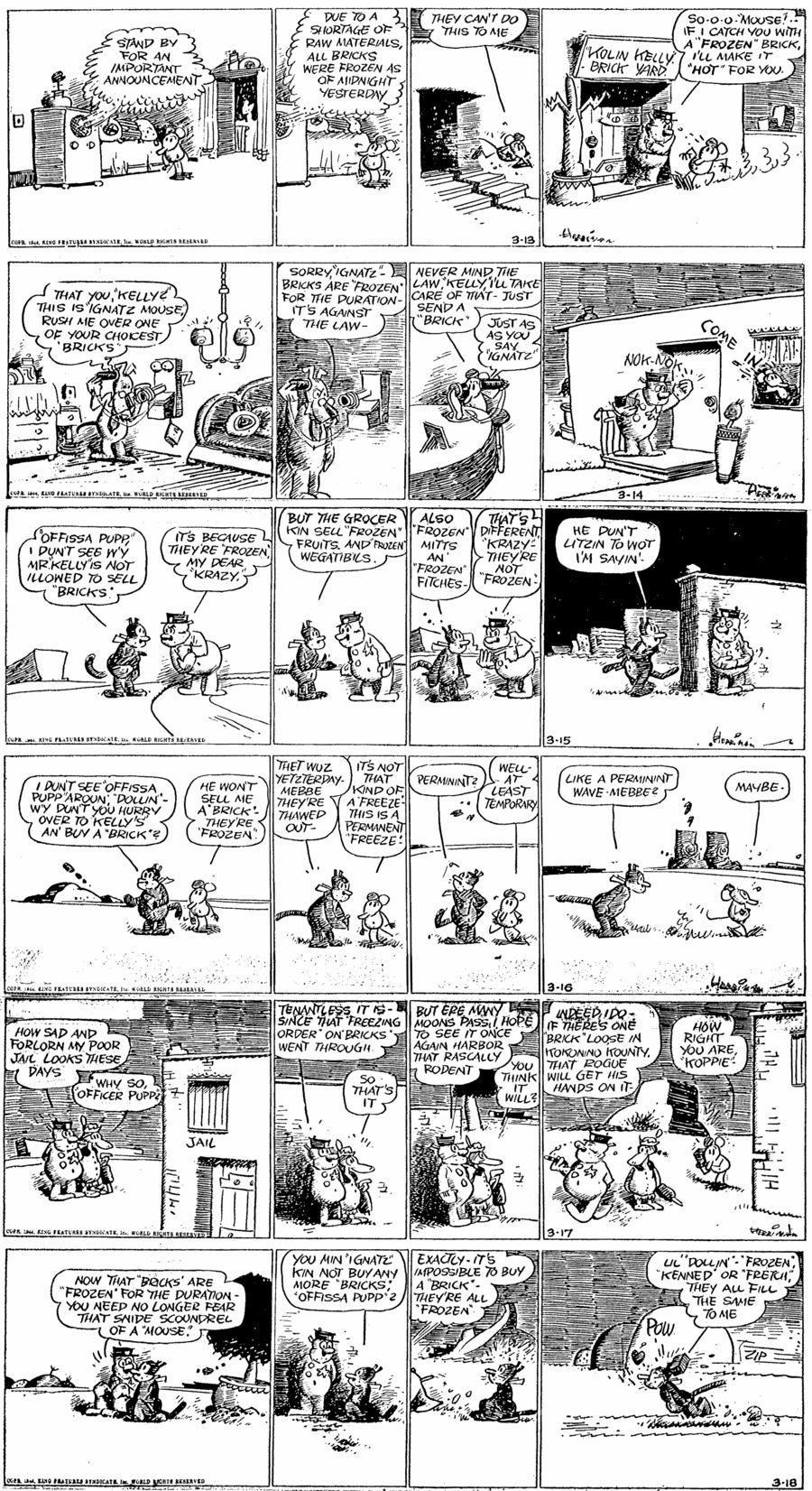
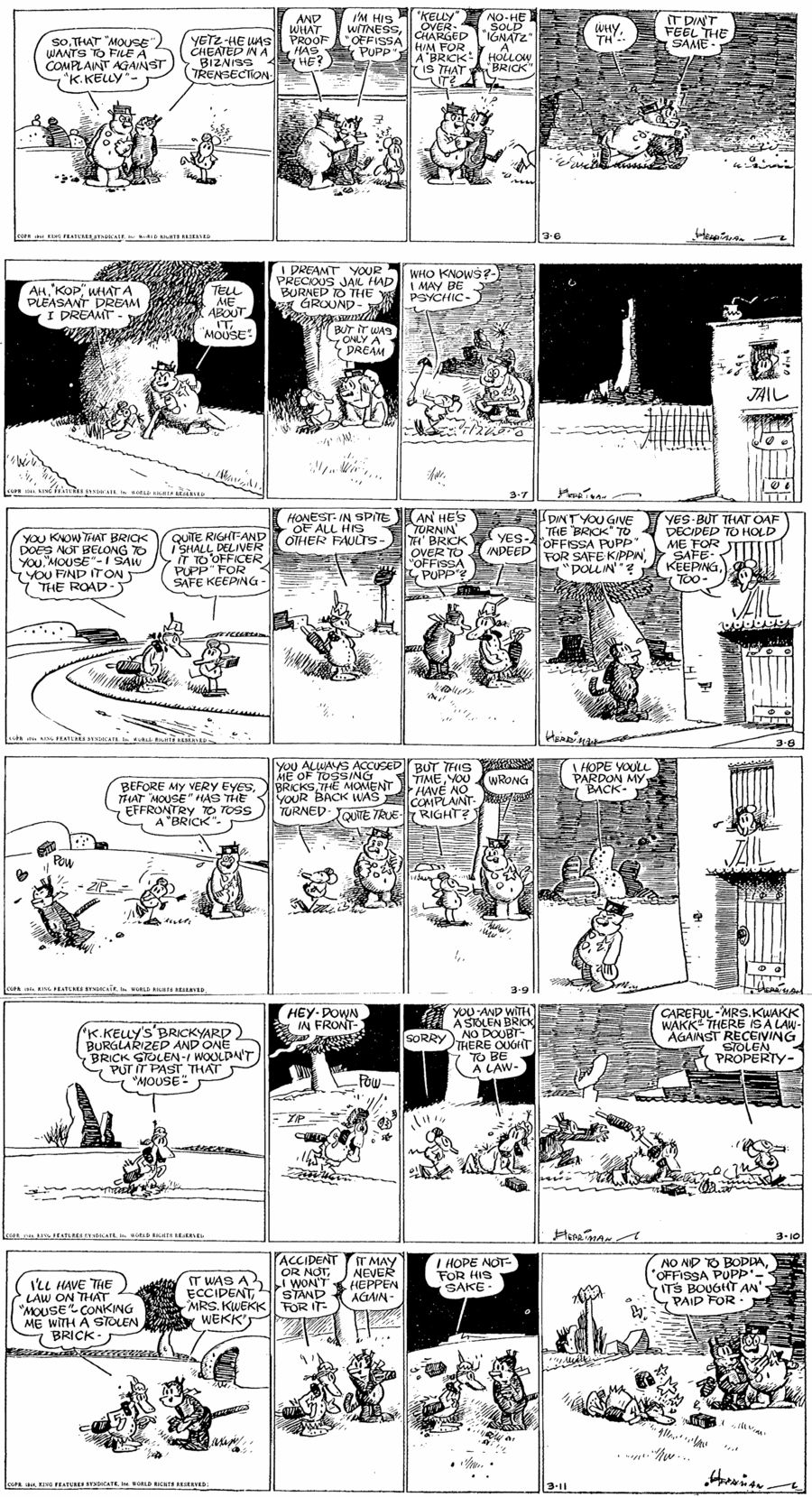
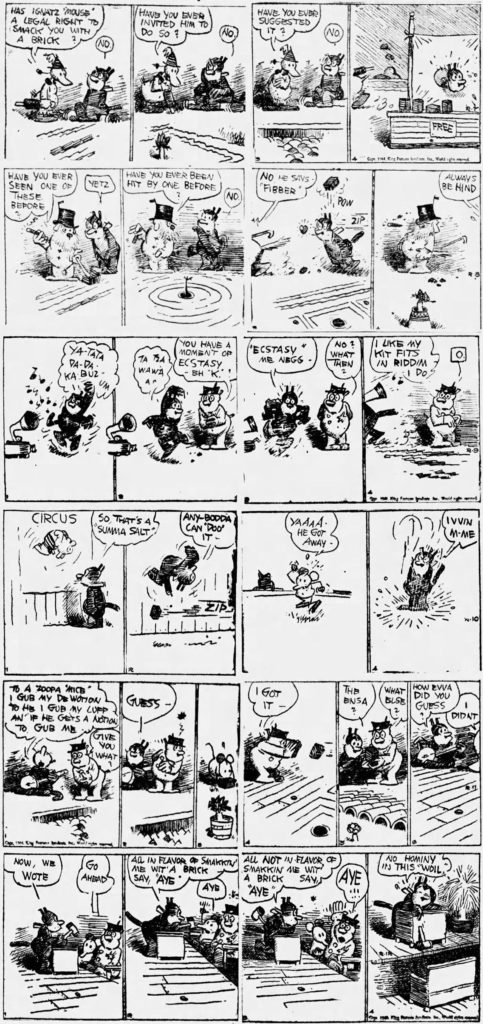
Here’s a whole month of Bob Naylor’s version of Krazy Kat, all signed Herriman. These originally appeared from 2-21 to 3-18-1944. These strips are pretty good, they represent Herriman’s spirit well, and Naylor has the personalities of the characters “Nayled” (sorry). You’ll notice that the gags mostly center around bricks and Offissa Pupp putting Ignatz in jail. Even Kolin Kelly appears. In Herriman’s 1944 strips, the brick tossing is mostly implied, not shown. Ignatz often ends the strips by starting to pick up a brick, but not actually throwing it. Herriman starts introducing other characters, dogs, birds, and so forth. But Bob Naylor has reverted back to the earlier days of “Krazy Kat”, with the original cast. The strips from 3-13 to 3-18-44 all refer to “frozen” bricks. This is a reference to World War Two rationing, in which products were “frozen”, in other words, no longer made. “Frozen” also referred to fixed price controls during the war. Here, Naylor makes humorous comparisons between frozen products no longer made, and frozen products literally sold from an electric freezer. In 1944, fresh frozen foods, such as orange juice, were just starting up. It took until 1945 and post war years, for frozen orange juice to be perfected so that it tasted good and households could afford electric freezers. So this storyline by Bob Naylor is quite futuristic, wouldn’t you say?
I’ve been having a lot of trouble with WordPress lately. A lot of the image displays are distorted vertically, and I don’t know how to fix the problem. Can any of my WordPress expert readers help me? I am willing to pay you if you can fix the distorted images. In the meantime, just right-click on the image, select “View Image”, and the picture displays in normal proportions. Sorry to make my readers and viewers work so hard to use my blog, but that’s the way things are for right now. If you want to blow these comics up to full screen, just right-click the image, select “View Image” to put it in to a new window. Then press “Crtl” and press the “+” symbol repeatedly. The image will enlarge to the limit of your system’s settings. Enjoy, sorry it’s been so long since the last post.
The Lady and the Tiger Return!
August 7, 2020
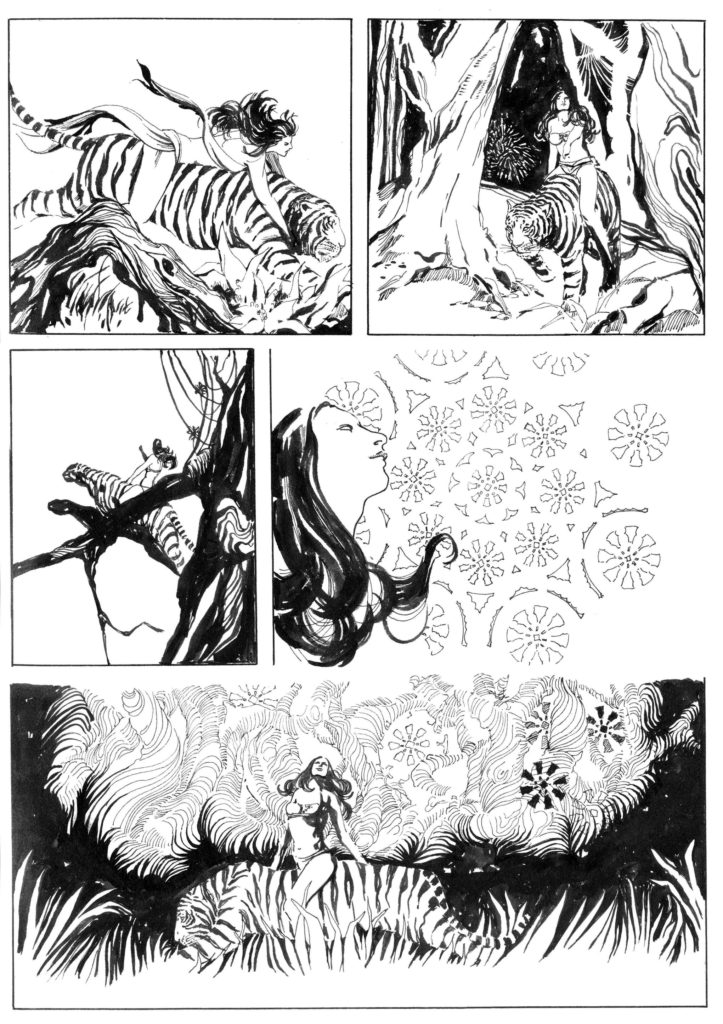
In our last episode of Cathy Hill’s comic story; “The Lady and the Tiger”, the lady was going in to a hypnotic trance as she entered the jungle and imagines she’s riding on a pterodactyl. Her feline friend, the Tiger, takes her by the hand and over to a mysterious castle.
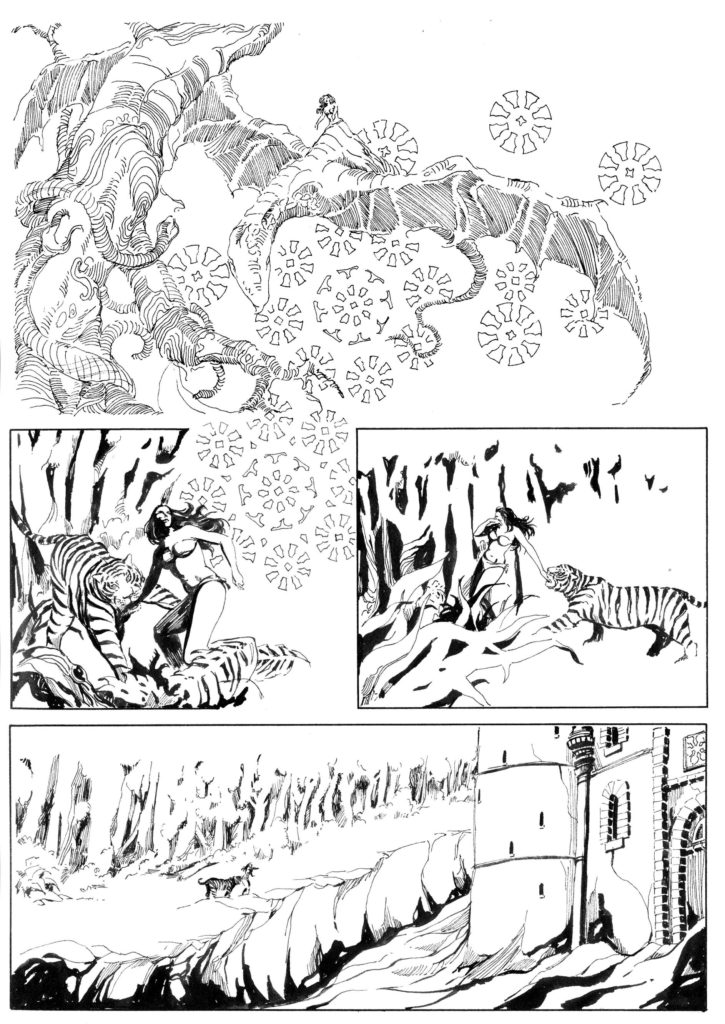
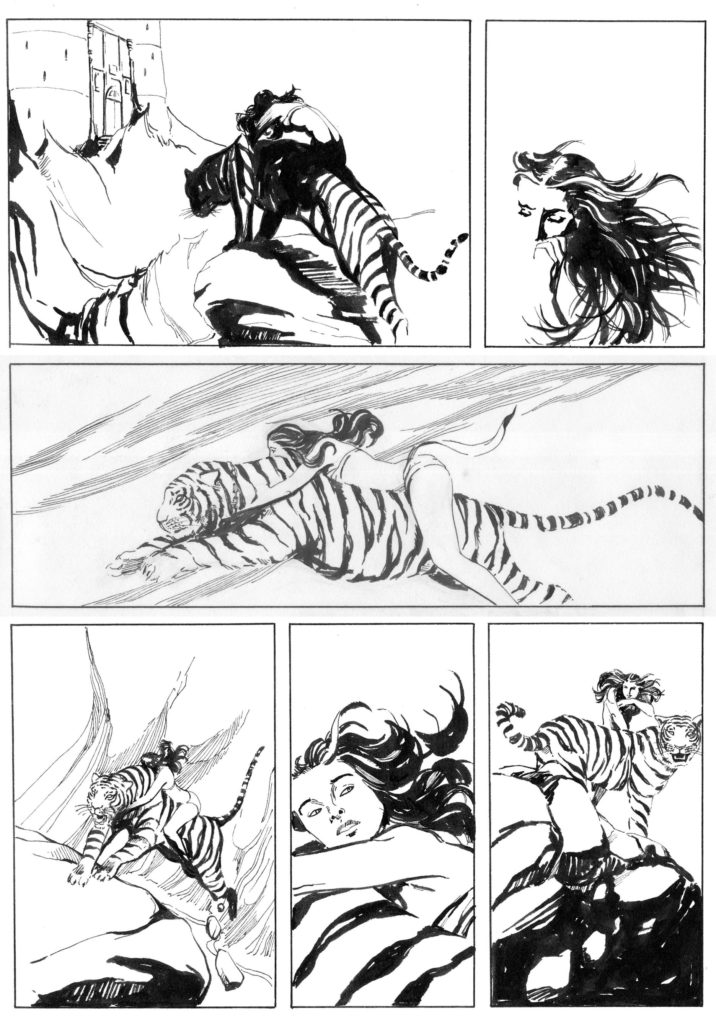
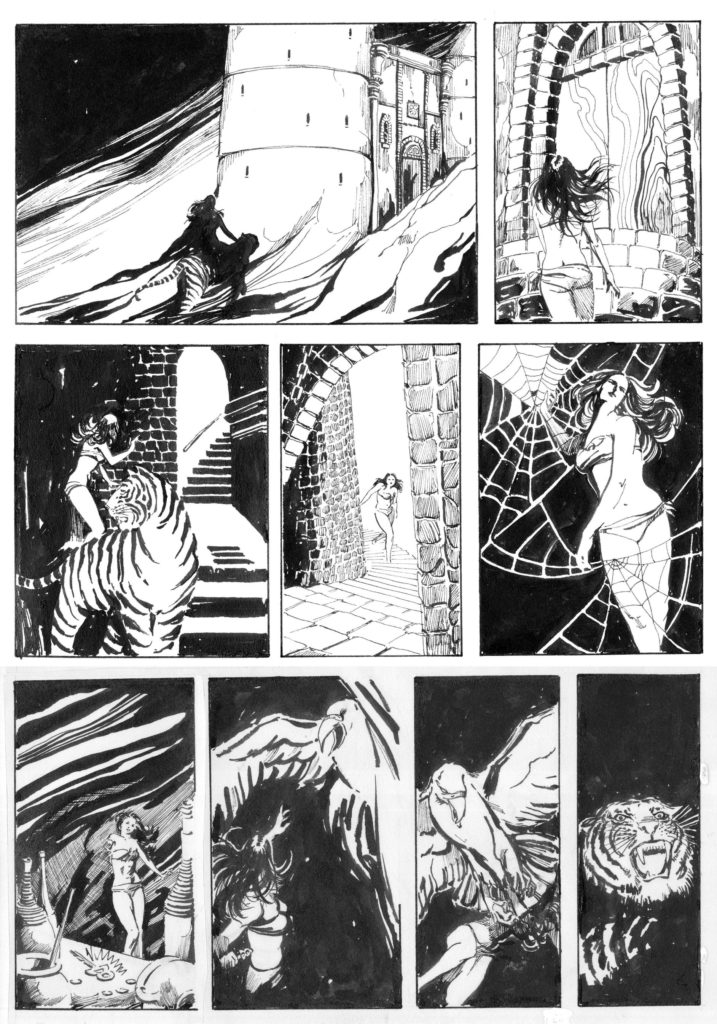
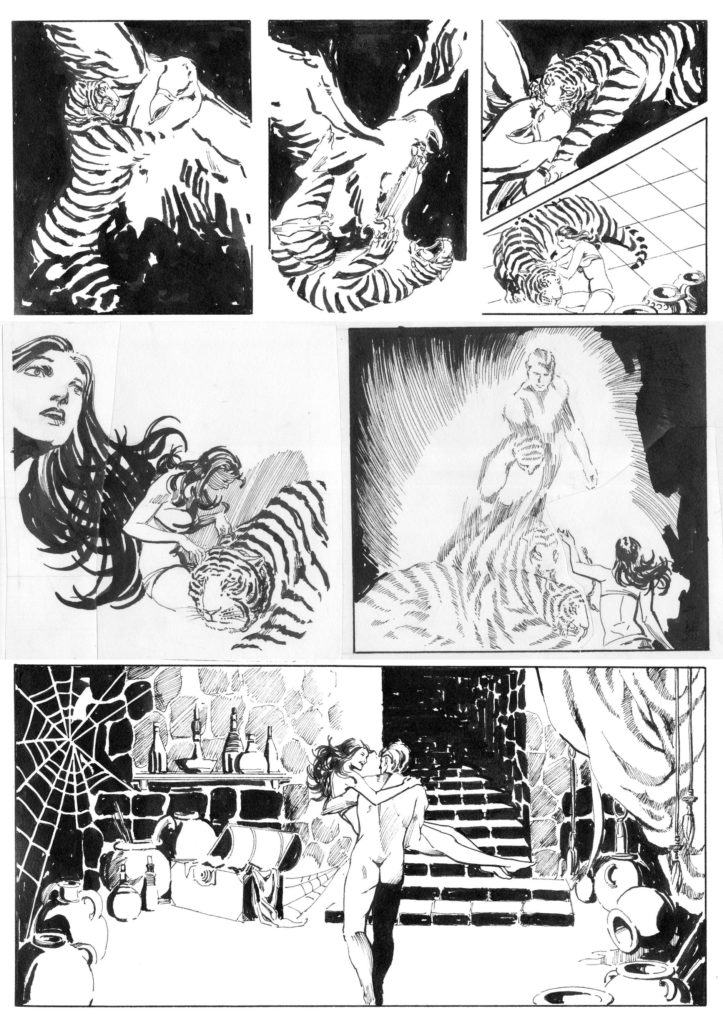
The Lady’s Tiger friend tried to protect her from a monster bird in the mysterious castle, but apparently perishes in the attempt, only to transmogrify into another sort of friend, human, male and without stripes. I love Cathy’s style in this story, she used doilies to add an abstract pattern in pages 4 and 5, and her use of black in pages seven and eight weaves a note of horror and mystery into the panels. This is the story’s first publication anywhere.
Kurt’s Corner
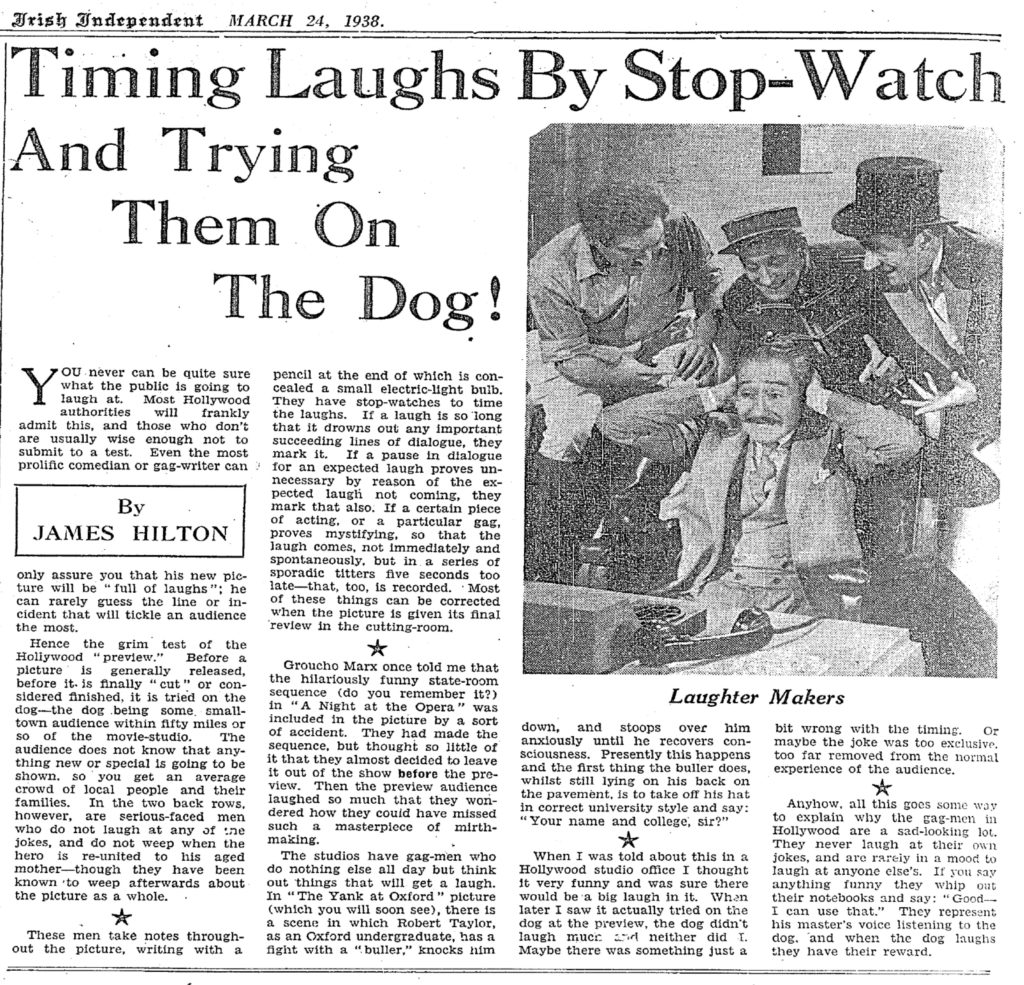
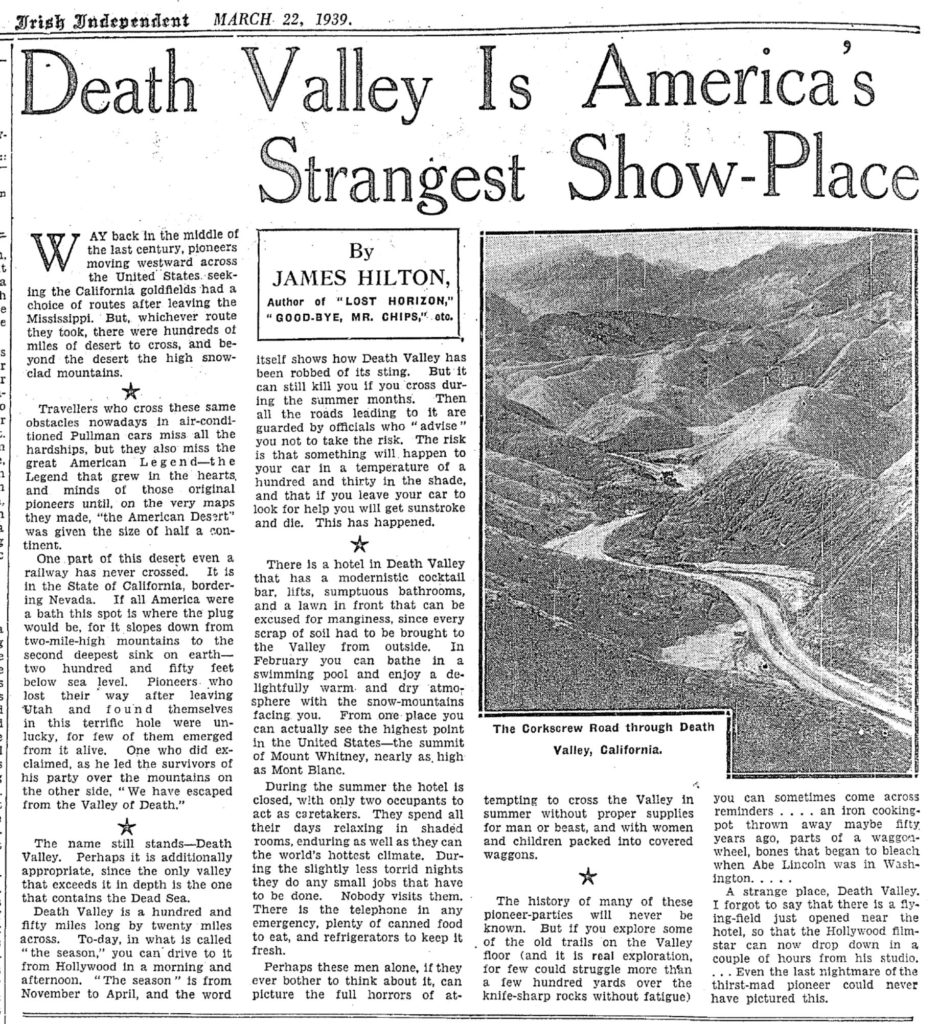
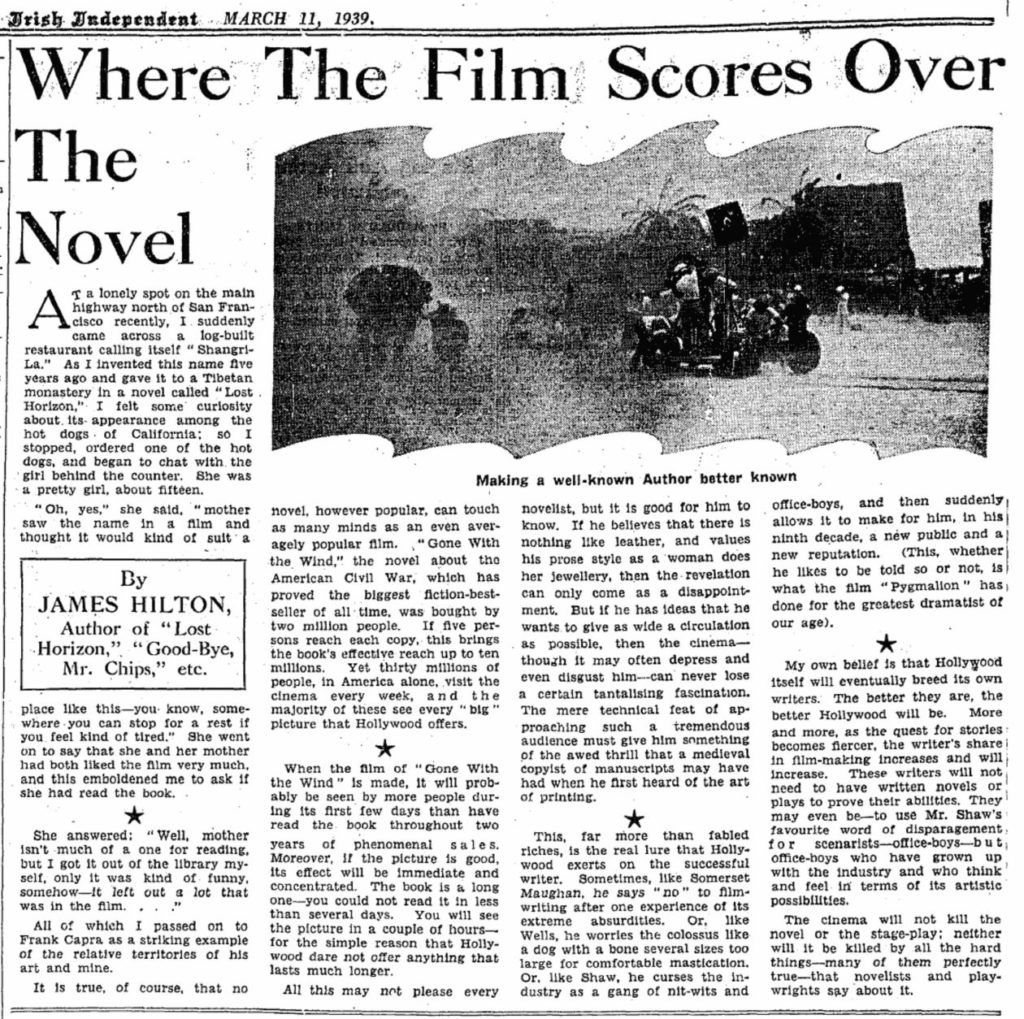
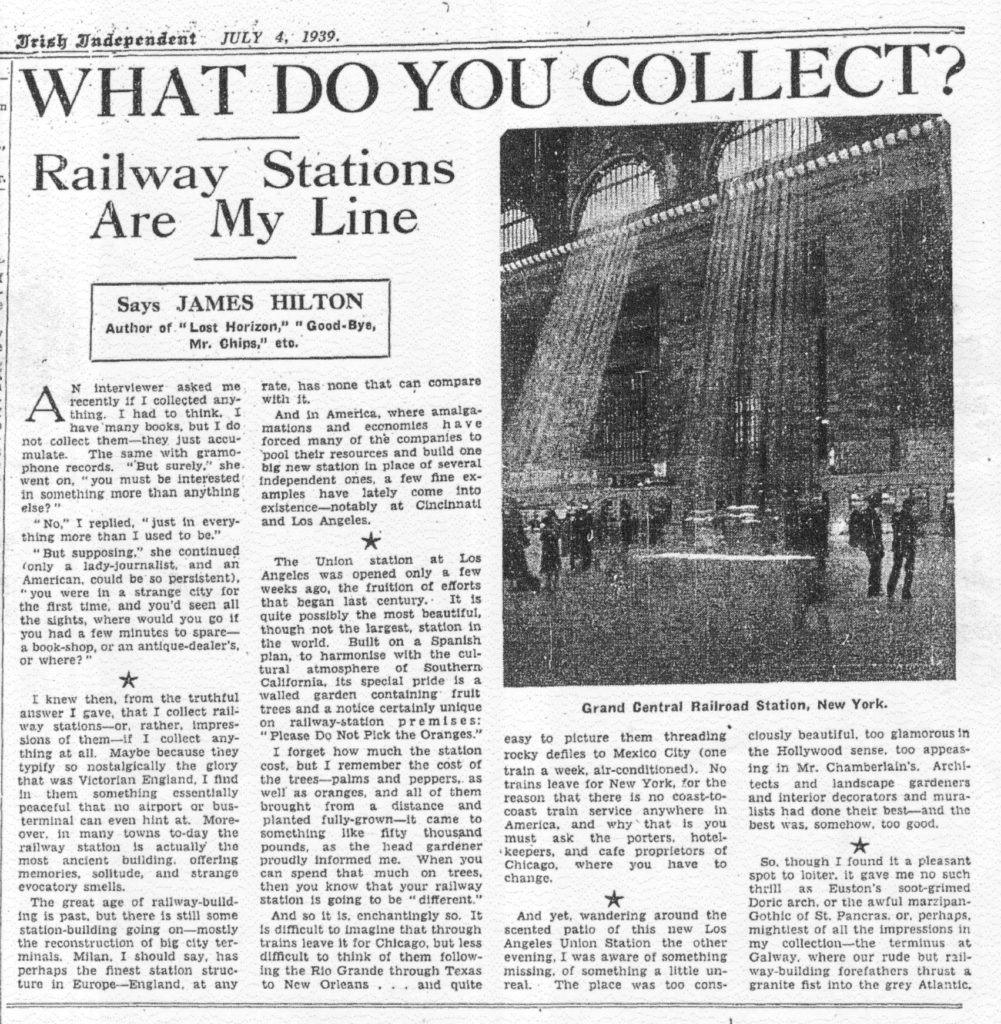
Here’s a couple of columns for the Irish Independent by James Hilton, compiled by my much-missed brother, Kurt. He put together a very comprehensive file on nearly all of Mr. Hilton’s newspaper articles. The “Timing Laughs” column, from 19380328, gives a little insight in to how comedy writers functioned in 1938 Hollywood. The audience’s laughter was law!
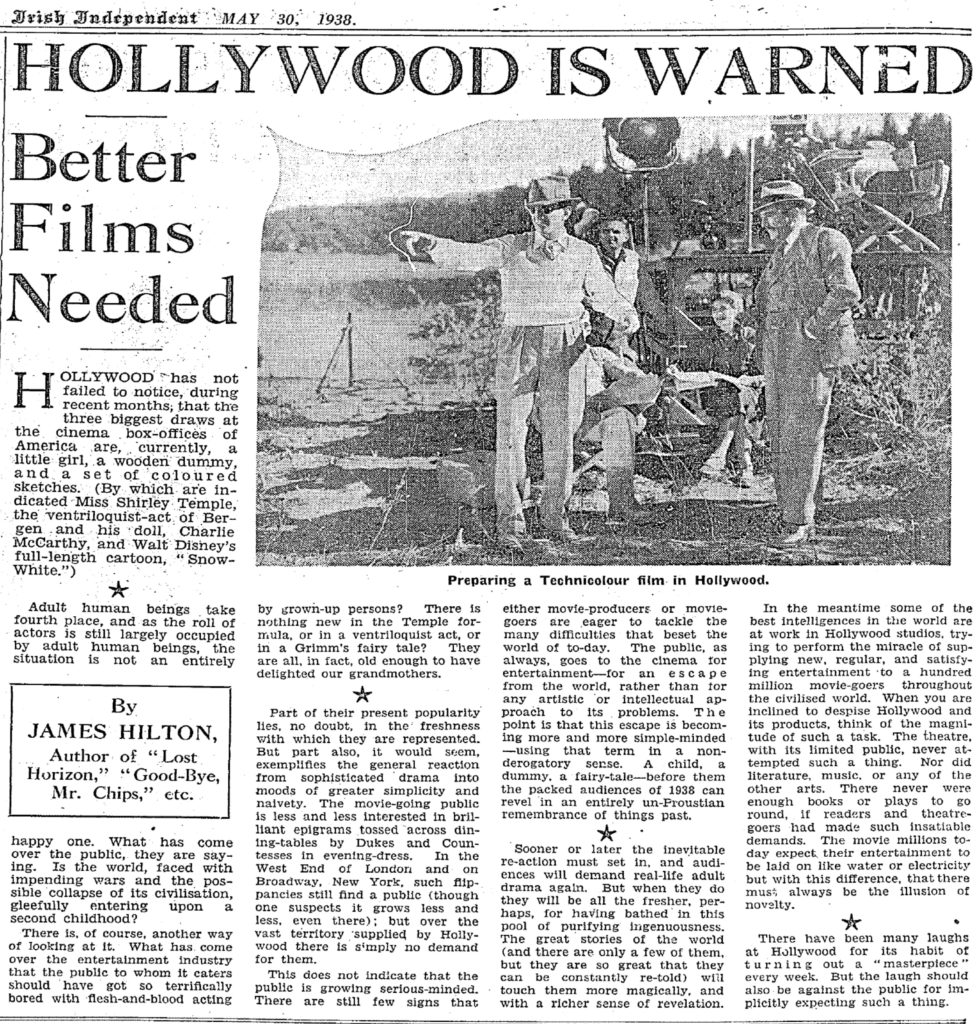
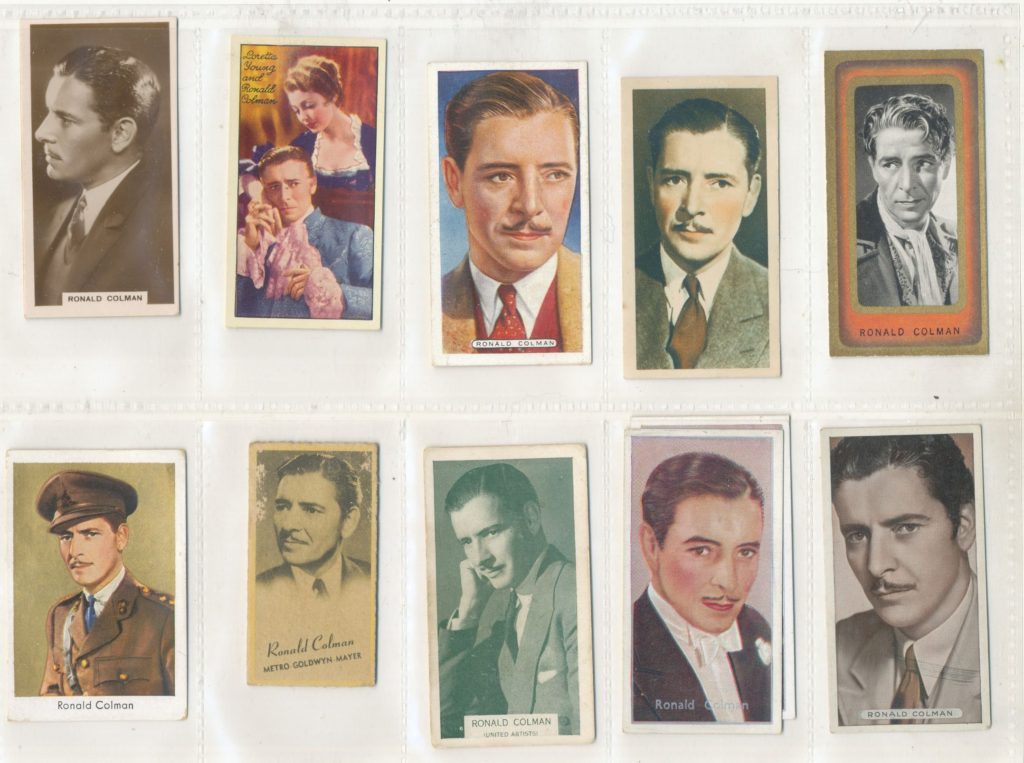
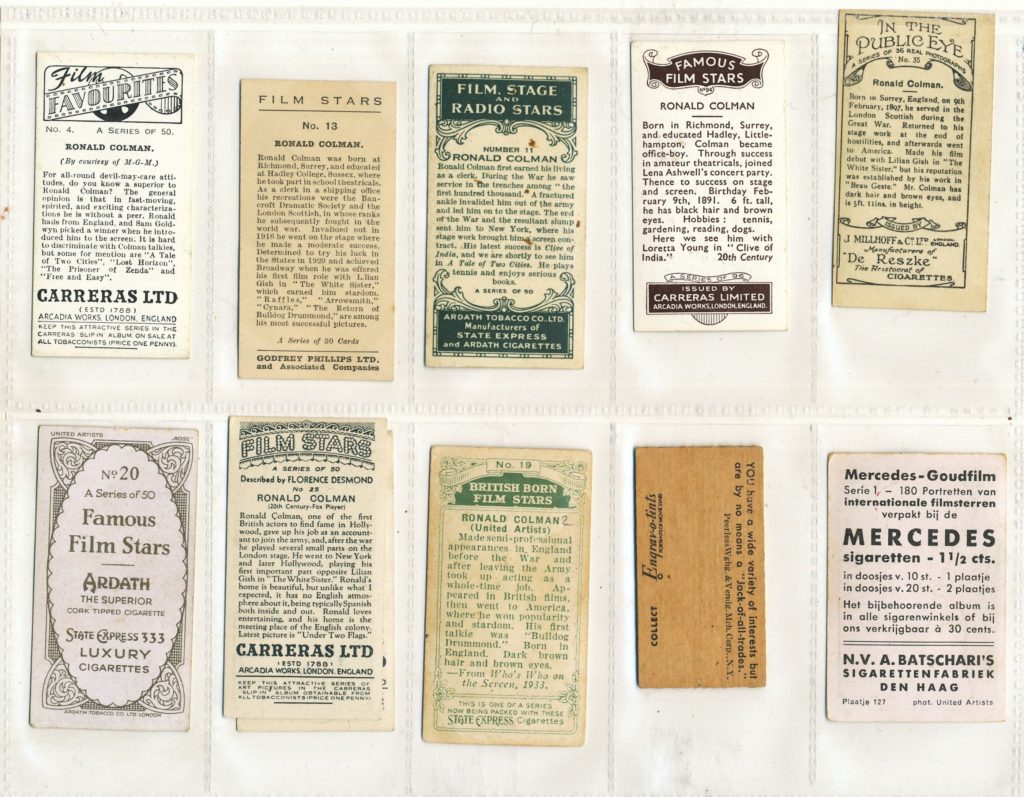
I hope all my readers are well and sheltering at home as much as you can. When you go out, stay socially distanced and become a “Zorro” in reverse, wear a mask over your nose and mouth. Love to you all.
The Lady and the Tiger
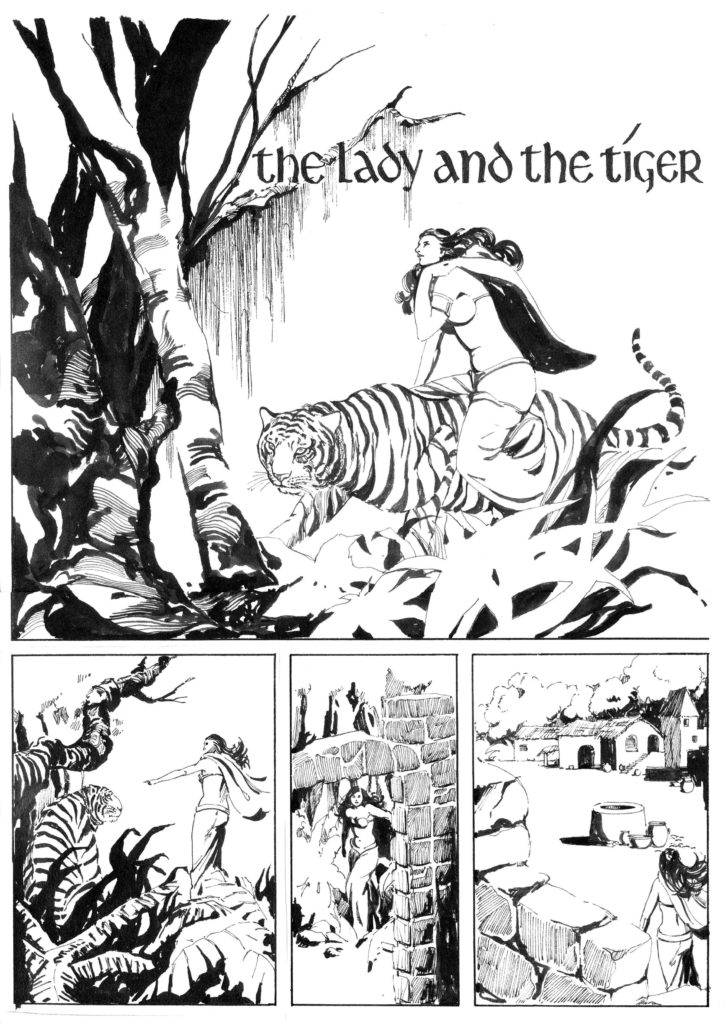
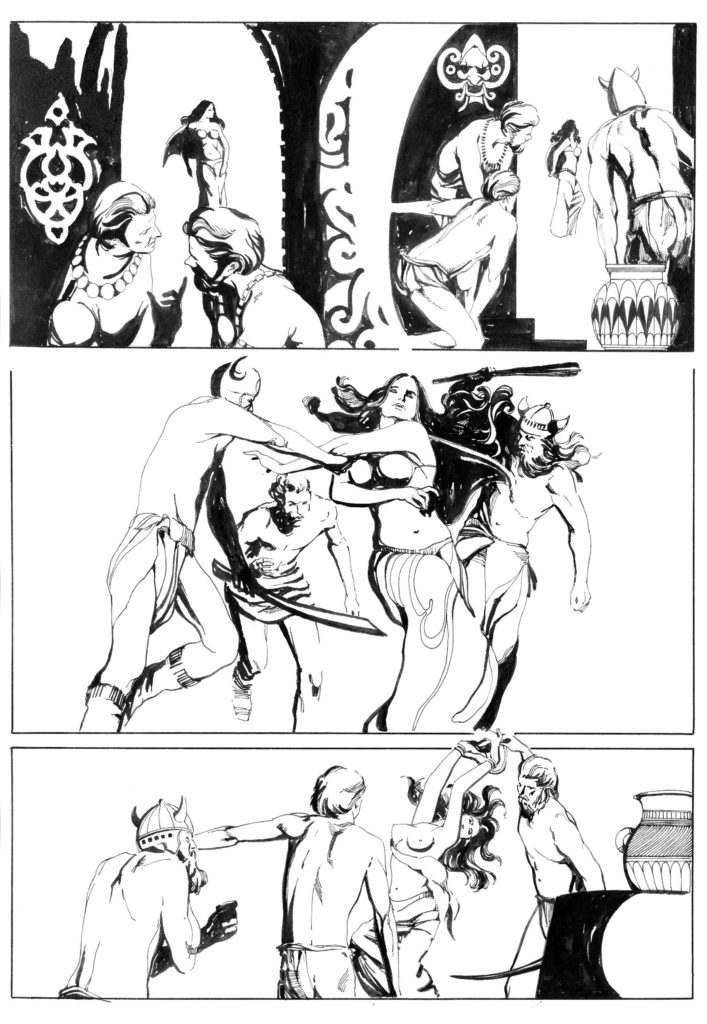
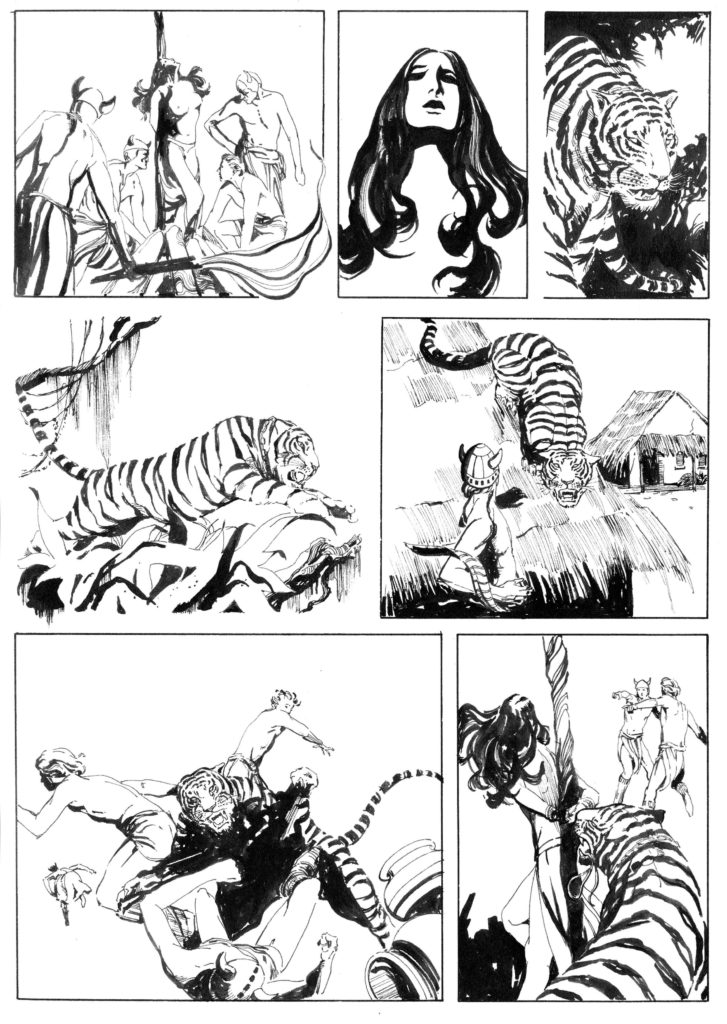
From the Cathy Hill Archive of Unpublished Comics comes “The Lady and the Tigerâ€. This story was drawn before Cathy started the “Mad Raccoons†series. Unlike the Raccoons, “The Lady and the Tiger†has no dialog, it’s all action and pantomime. The art was influenced by the work of Al Williamson, and Cathy’s staging and design show traces of Aubrey Beardsley and the psychedelic posters Cathy was designing in those days. The Lady is quite exotic, helmeted barbarians try to capture her on page two. Her tiger companion leaps to her rescue, scattering the abductors. Together they ride into the psychedelic tangle of the jungle. See part Two next time as the tangle relaxes.

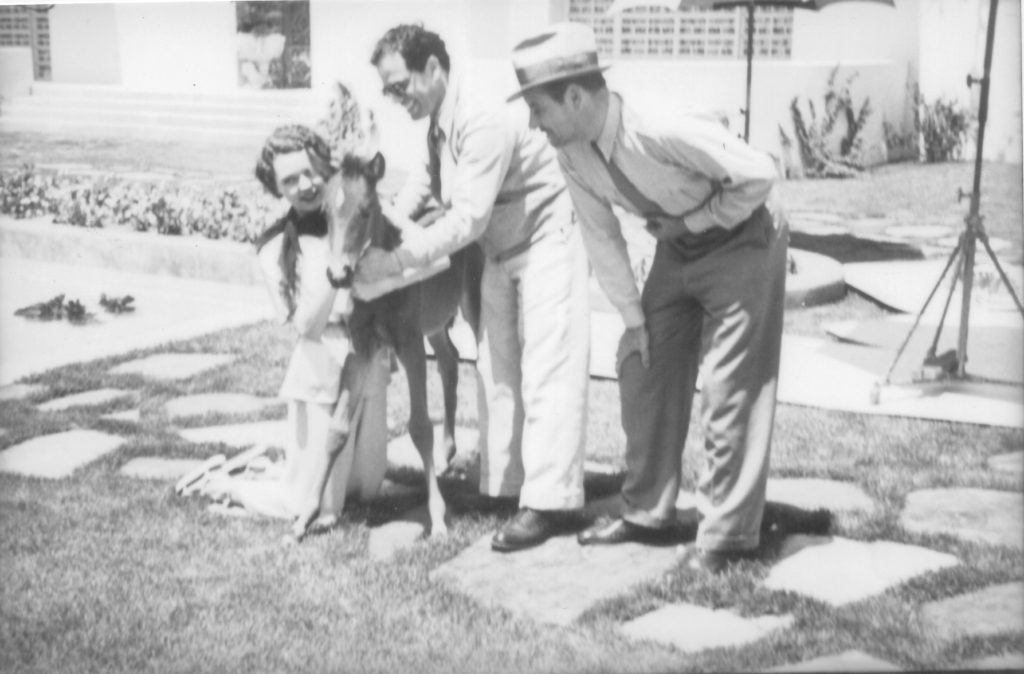
My brother’s collection of Lost Horizon stills included this one of Frank Capra, Jane Wyatt, possibly his assistant director and a newborn colt. The lamasery set is in the background. I love the ill assorted stone walkway pieces in the foreground, which fit in perfectly with the art deco Lamasery building.
Your Comics Page 5-17-2020
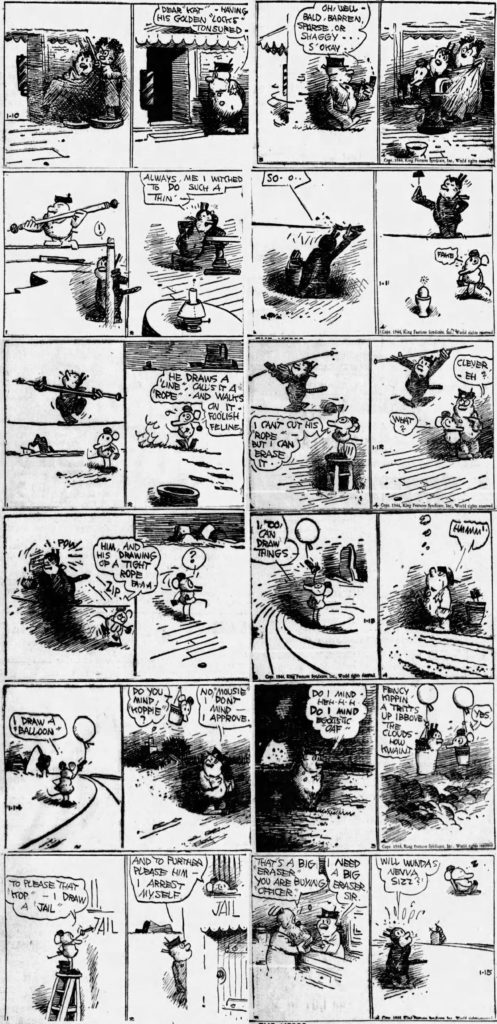
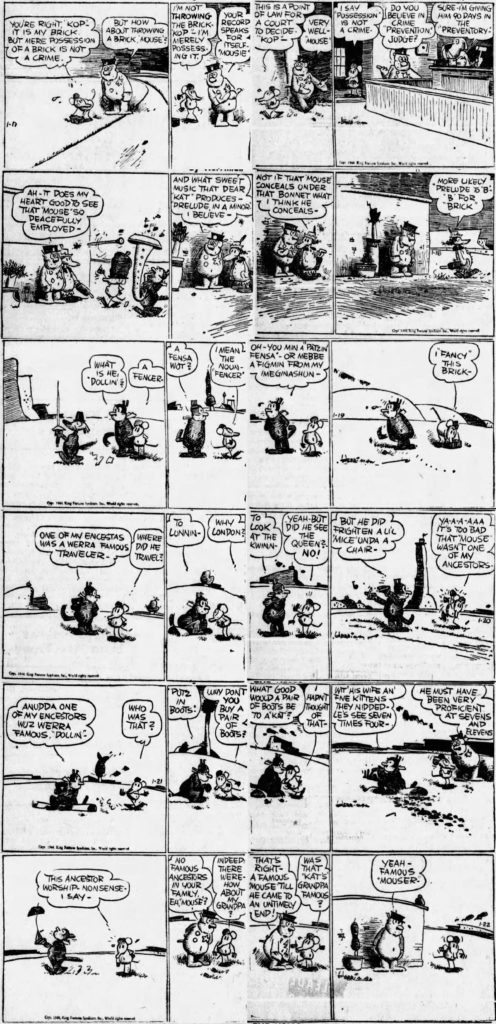
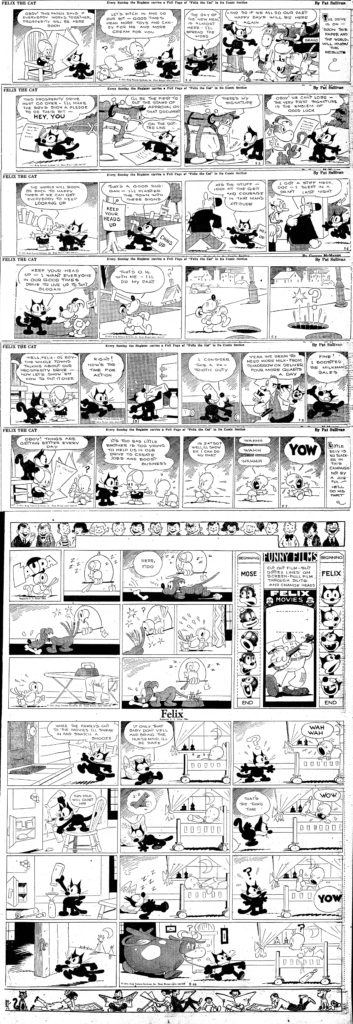
I hope you are all making like Zorro and The Lone Ranger these days and masking up for your peregrinations around your neighborhoods. This Covid-19 virus puts the damper on a lot of things, but not in the sharing of comic strips and remembering my dear brother. Stay safe, oh my readers! So sorry it’s been so many months since the Catblog meowed!
Your Comics Page 1-22-2020
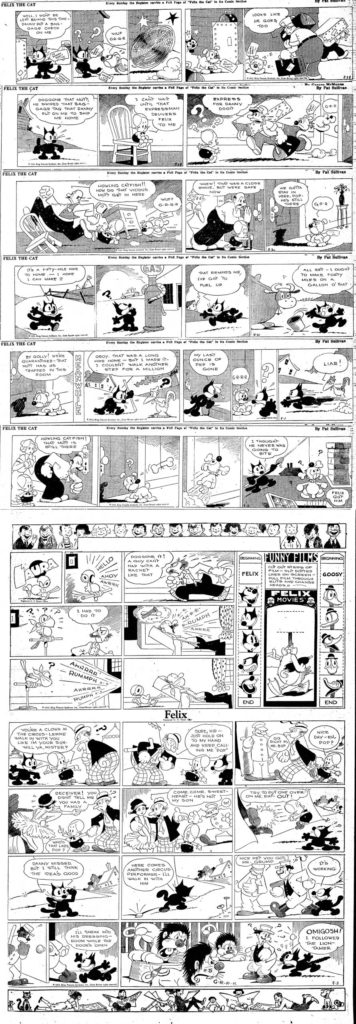
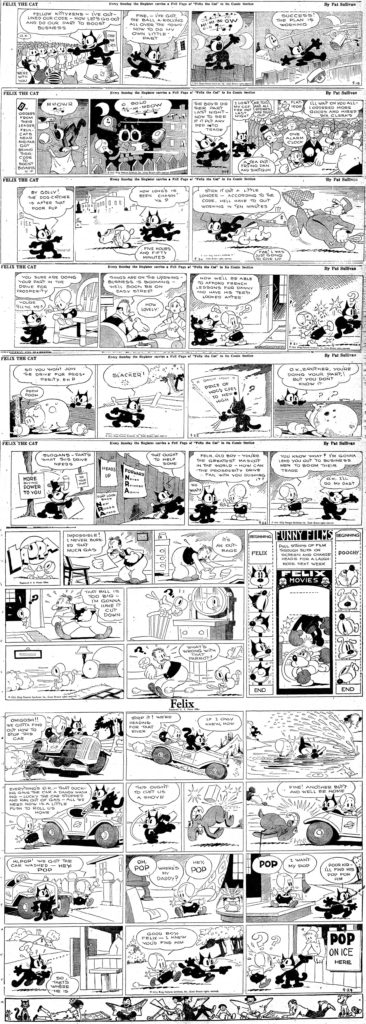
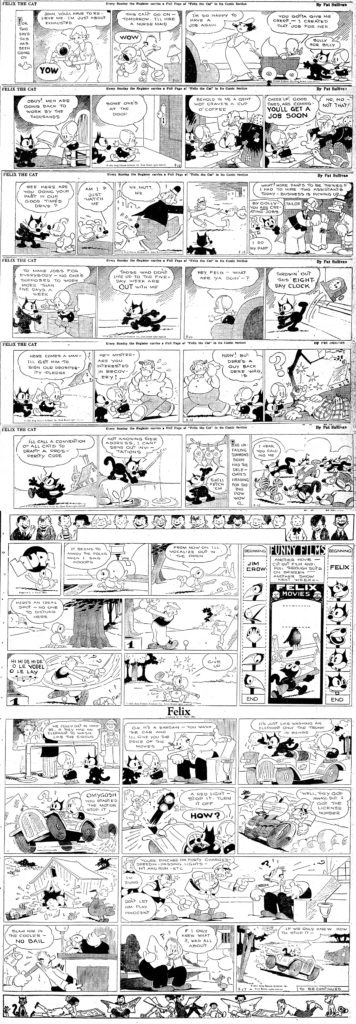
Here’s Felix from 8-28 to 9-3-1933. Felix is confused with a mean Bulldog in a boxcar freight mix-up. The Bulldog holds Danny Dooit and his family hostage in their home until Felix saves the day with a fishing pole. In the Sunday, the Circus story continues as Felix and Danny try to sneak in to the show with disastrous results. Don’t the lions recognize Felix as a fellow cat?
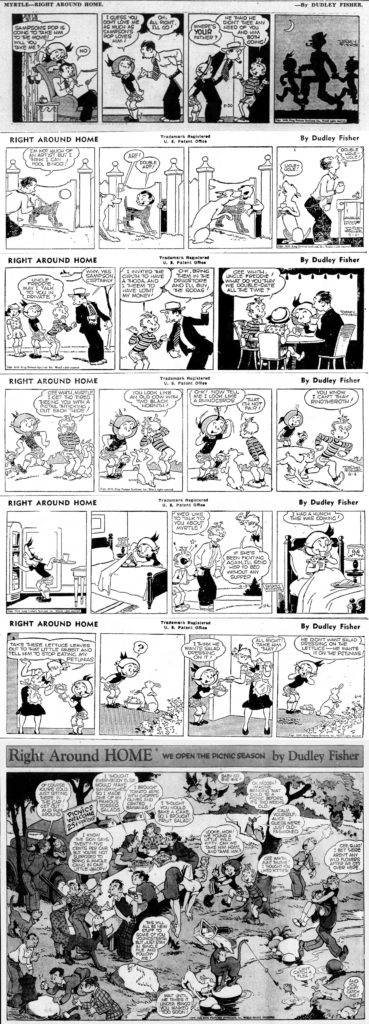
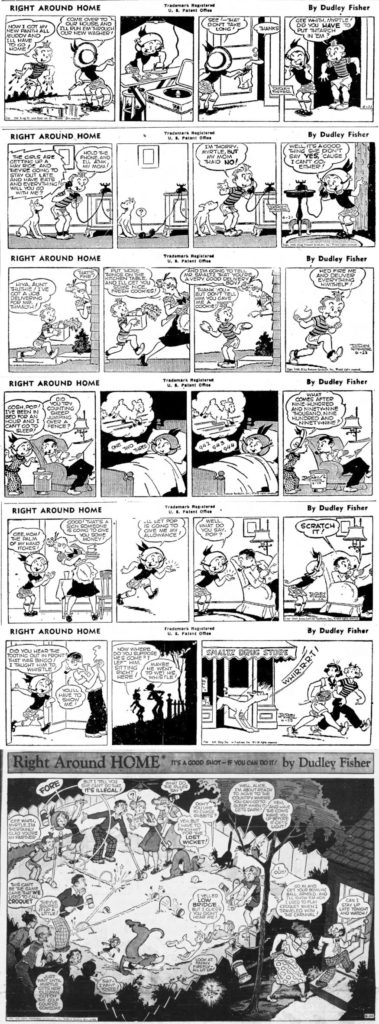
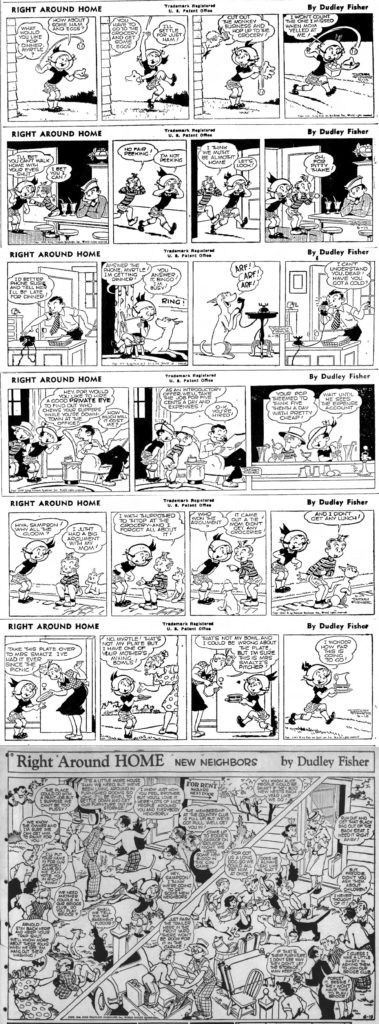
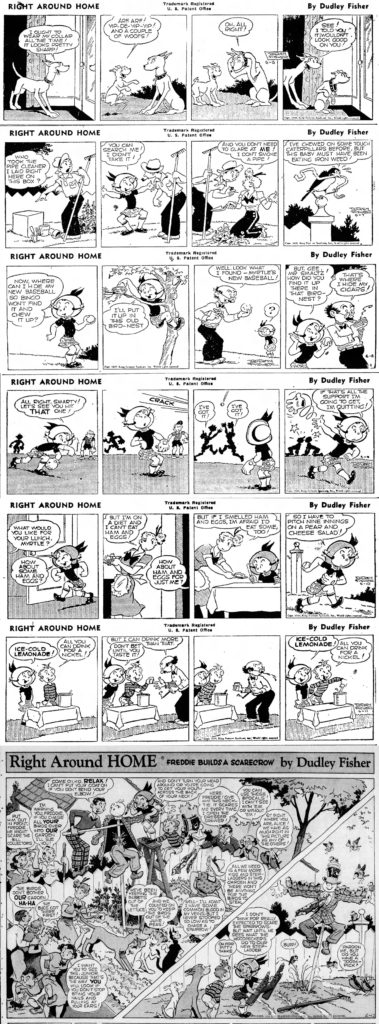
Here’s Dudley Fisher’s Myrtle from 5-30 to 6-5-1949. My favorites from this batch are the 6-2, in which Sampson rearranges Myrtle’s braids so that she looks like a “rinotheroth”, and the 6-3 in which Myrtle plans on being sent to bed without supper for beating up Sampson! The Sunday page shows the start of the Picnic Season as Myrtle and Sampson scare Susie right out of her shoes by presenting her with a “little wild kitty” that looks very much like Hyacinth with skunk stripes. I like the little detail in the lower left hand corner of the men trying to light a campfire with their cigarette lighters.
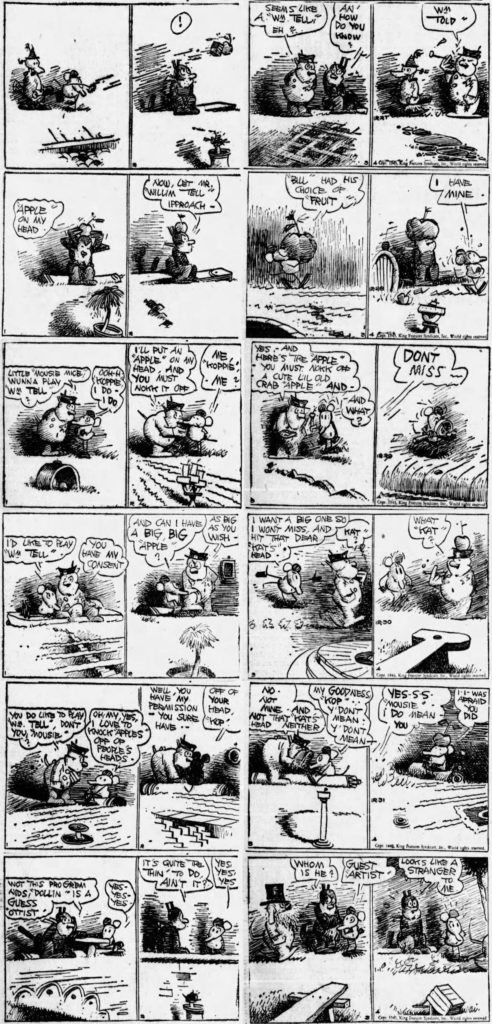
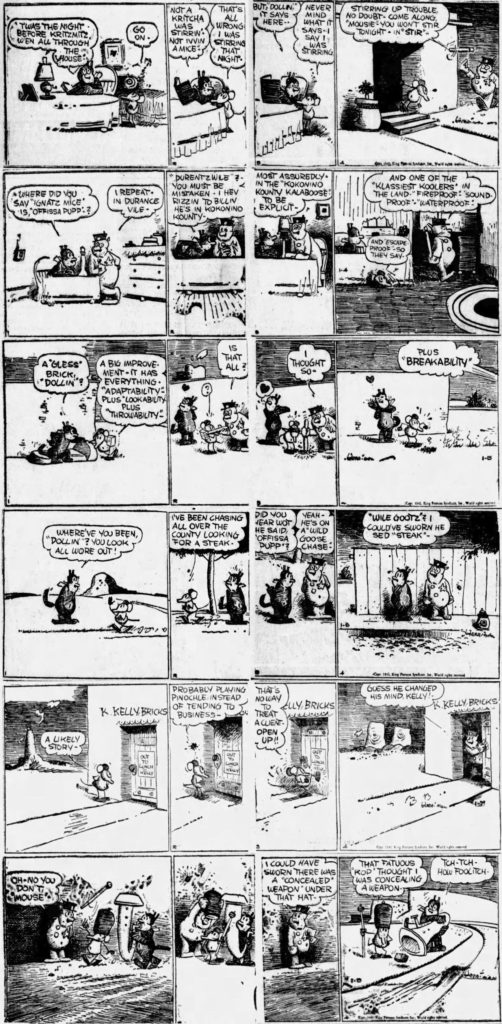
Here’s the start of the final six months of “Krazy Kat”. The last week of 1943 through 1-1-44 is the work of George Herriman. He foreshadows the week of 1-2 to 1-8-44 in the strip for 1-1-44, as Krazy says “Wot this progrem nids is a guess artist”. And starting 1-2-44 that’s just what the strip gets. Garge was not well in January of 1944 and had to be hospitalized for what he called “dropsy”. Today we call it edema. So an old friend of Herriman’s pinch hit for him on Krazy Kat. You will note that all the comics from the first week in 1944 are carefully signed “Herriman”. Garge did not and had not signed his dailies for many weeks prior to 1-2-44. He didn’t sign any of the 1943 Sunday pages, and signed only four Sundays in 1944. So I think it’s a good bet that when Herriman’s signature appears on a 1944 daily, it’s the work of the “guess” artist. The “guess” artist went back to the late thirties for his models of the characters, perhaps tracing them. The lettering and balloons are a bit too neat and regular to look like Garge’s work. These strips are quite possibly the work of Bob Naylor, who worked with Herriman on the “Embarrassing Moments” panel cartoon of the early 1930s. Naylor could imitate the Herriman style quite well and also submitted gags which Garge used for the panel. He also drew the “Barney Baxter” feature in the late 1940s. If any one of you readers knows that Bob Naylor did NOT draw the KK dailes in 1944, please leave me a comment!
Herriman’s art was beginning to look a little shopworn in the last strips of 1943. Krazy’s head nearly looks like it’s melting in the first panel of the 12-28-43 strip The last panel of the 11-30 looks like Offissa Pupp and Ignatz are disappearing into the page as Garge uses his knife to scratch off the ink lines. He uses a similar technique in the last panel of the 1-1-44 strip as Krazy says “Looks like a stranger to me”, as the “Guess Artist” walks through the strip. Krazy nearly looks transparent in the panel.
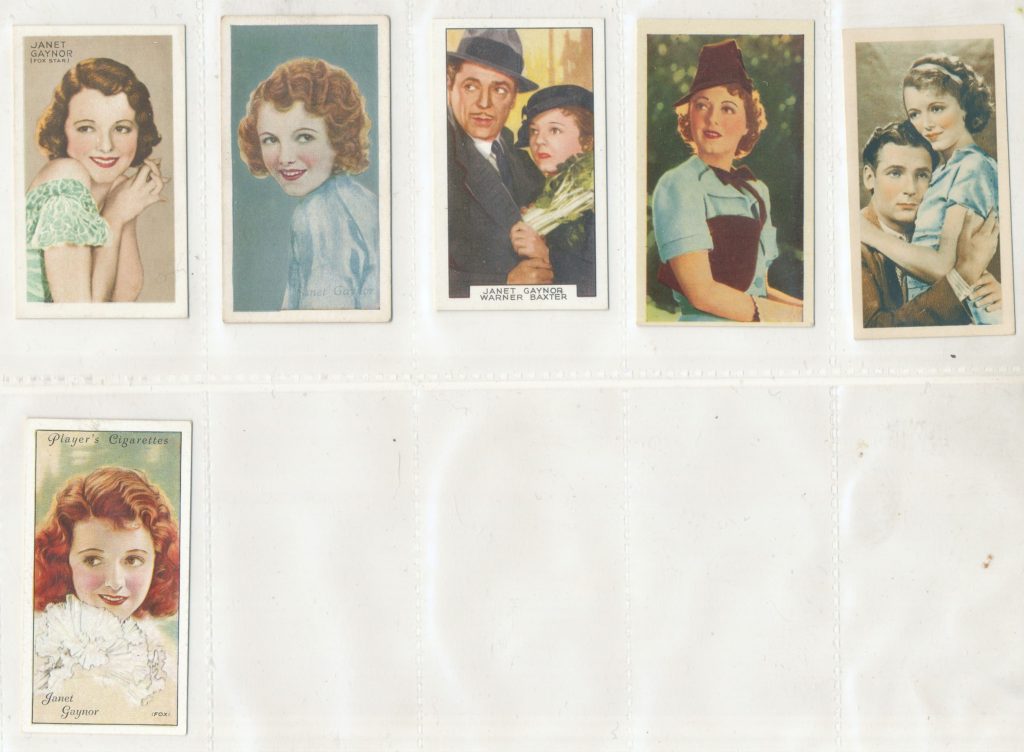
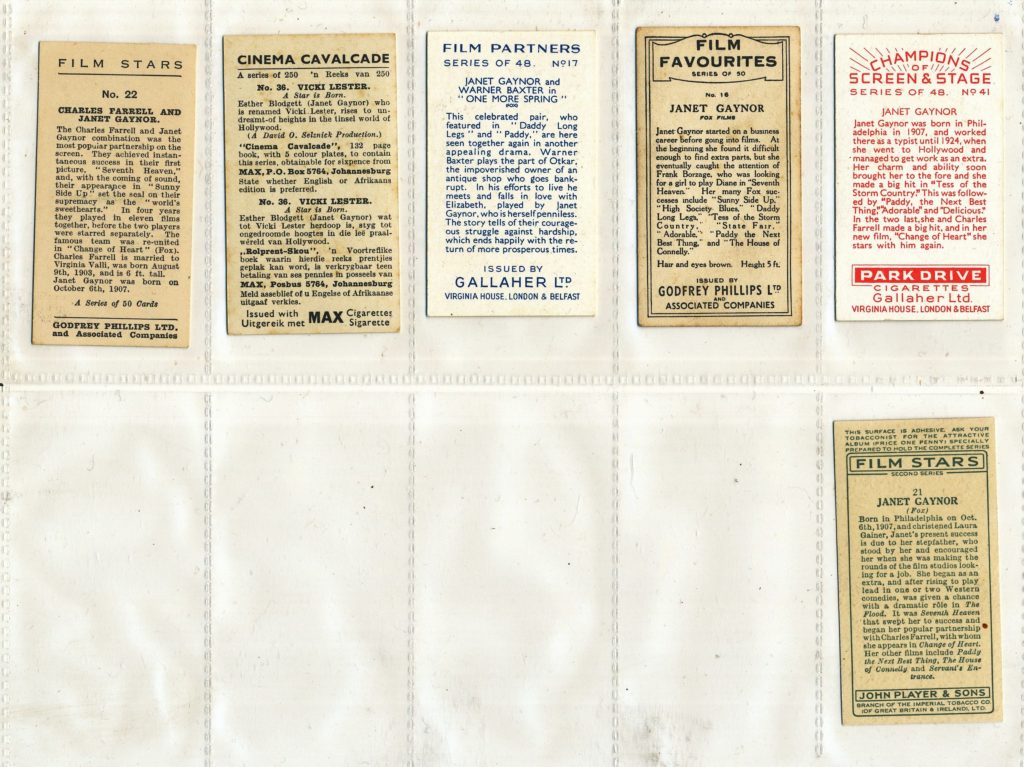
In the ongoing tribute to my dear brother who passed away nearly a year ago, I present some more treasures from his collection of vintage movie stills. Above are color cigarette cards featuring Janet Gaynor who was in “Sunny Side Up” (1929) and starred as Esther Blodgett in “A Star Is Born” (1937). In the heyday of cigarettes, colorful little cards likes these were wrapped up in the cellophane that protected the packs. I think that Janet Gaynor had an influence on the character of Snow White. The two ladies have similar faces, and Snow White’s personality may have been based on the sweetness of Gaynor’s screen character.
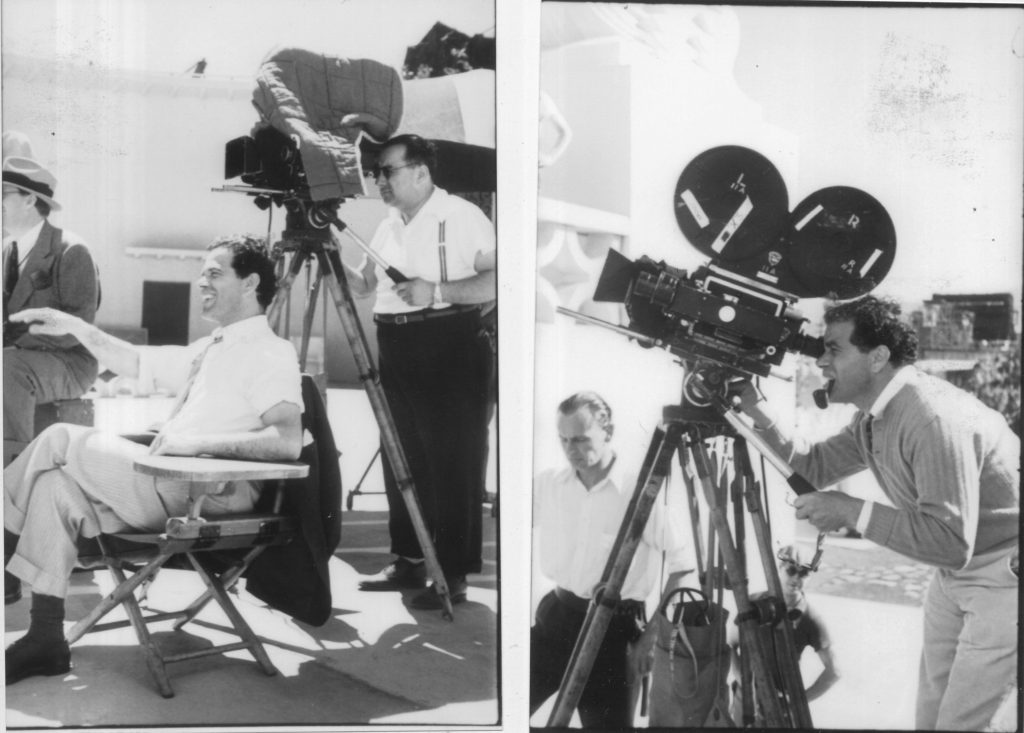
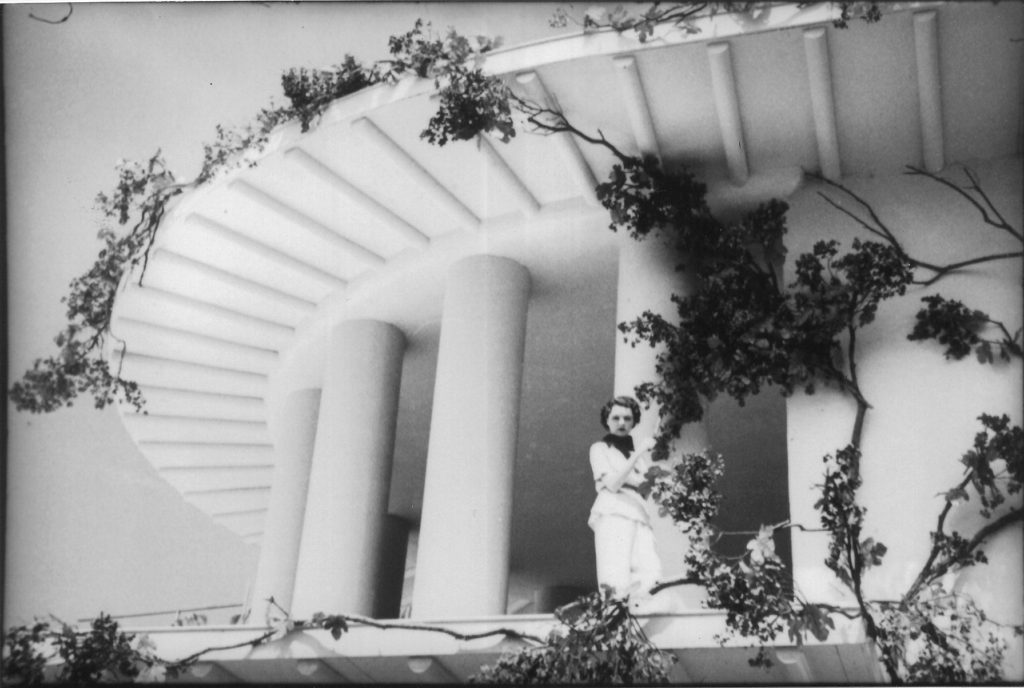
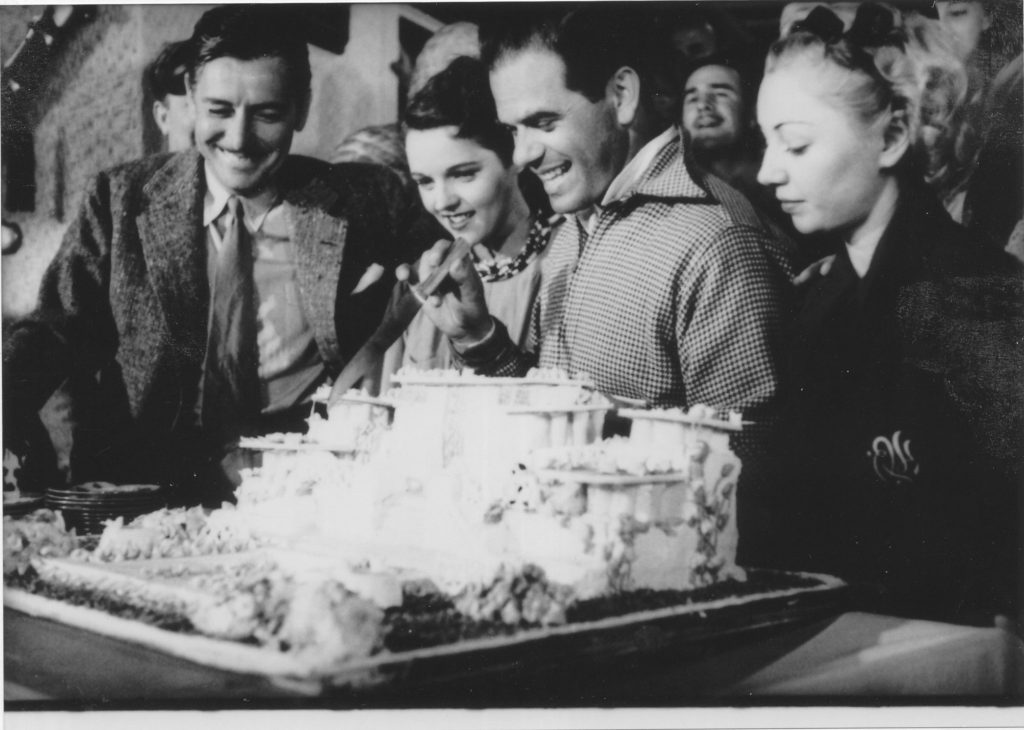
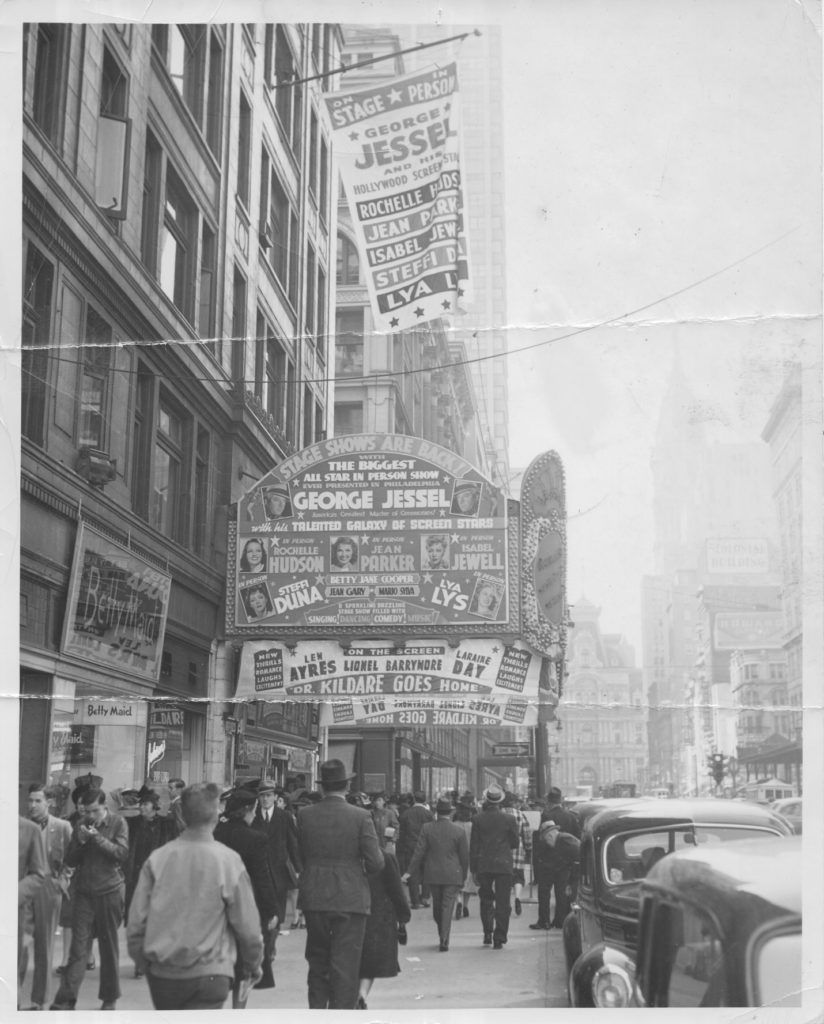
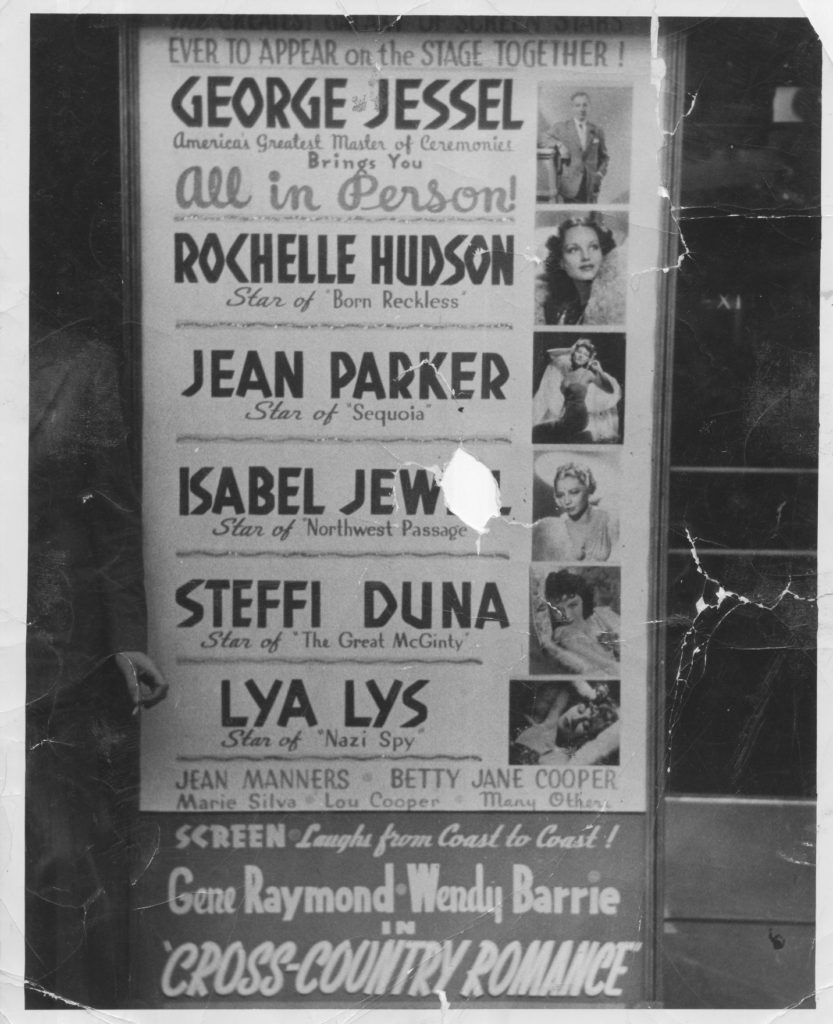
Here are some rare stills from Frank Capra’s “Lost Horizon” (1937), directed by Frank Capra. That’s Mr. Capra behind the movie camera (right top) and his head cinematographer Joseph Walker is behind the blimped camera on the left. That’s Jane Wyatt as Sondra Bizet posing on the balcony of the Lamasery, designed by Stephen Goosson, in the second photo from the top. That house was put up near Hollywood Way in North Hollywood and evidently the exterior still survives. Perhaps Ronald Colman, Jane Wyatt, Frank Capra and Isabel Jewell are celebrating the completion of principal photography in this photo, as they dig into a cake baked in the shape of the Lamasery. I hope one of my readers can tell me if these photos have ever been included in books about “Lost Horizon”.
2019 seemed about 5 years long without my brother. He and his girlfriend Linda were so generous to give me many fine books and stills like the ones here. But Kurt was so much more than just a collector. To say I miss him is not enough, he was a living reminder of our childhood in St. Louis, Missouri. With him died many memories and a big piece of my heart and soul. Again, at the risk of alienating readers of the Catblog, I say God rest you, kind and funny brother. Your memory will be with me forever. Look for more chapters of “Kurt’s Corner” coming up.
Remember that you can enlarge the pictures by resting your mouse line on the image, pressing the “Ctrl” key, holding it down, and then press the “+” or “-” keys to make the image bigger or smaller.
Felix Saves Everybody but Himself
January 18, 2022
Comic Strips, Felix the Cat
1 Comment
Mark
Here’s Felix from 11-6-1933 to 11-19-1933. In the dailies, Felix shows his savvy as he completely foils the counterfeitter. After Felix forces the bad guy to re-grow his whiskers, Tony the Barber gets the $10K reward and goes out to buy new clothes, completely ignoring Felix. In the 11-18, Felix makes a key statement: “When they put on the high hat—that’s the time to leave ’em.” Felix doesn’t even get a reward, he’s on to a new assignment as a mascot. Obviously he is not a fan of the wealthy classes. In the Sundays, Felix and Danny Dooit continue their adventures lost in the woods. Felix tries to feed Danny with fish he grabs from the lake. I love panel 8 in the 11-12 as all those eyes stare at Felix, very much like the scary sequence in “Snow White and the Seven Dwarfs”. In the 11-19, Felix and Danny take pity on two hungry baby Eagles and feed them worms that they intended for fish bait. Mother Eagle seems threatening, but instead gives Felix and Danny a soft bed in her nest. “One good turn always brings another,” Felix says. Enjoy these dear readers!